Having a quiet day in east Mostar, we aim to get the bus at 1815 to Sarajevo. With the bus packed before we arrived at 1750, its good I had bought tickets earlier in the day. We could see this wasn’t gonna be the prescribed 2.5 hours either as people packed the aisle, getting on and off at every village along the way. The scenery however was amazing, beautiful rivers and valleys. The company on the bus was a bizarre mix of parent-less children, policemen who didn’t care about overcrowding, and a bearded woman who didn’t want me to sit next to her (good move in the end since she smelt horrific).
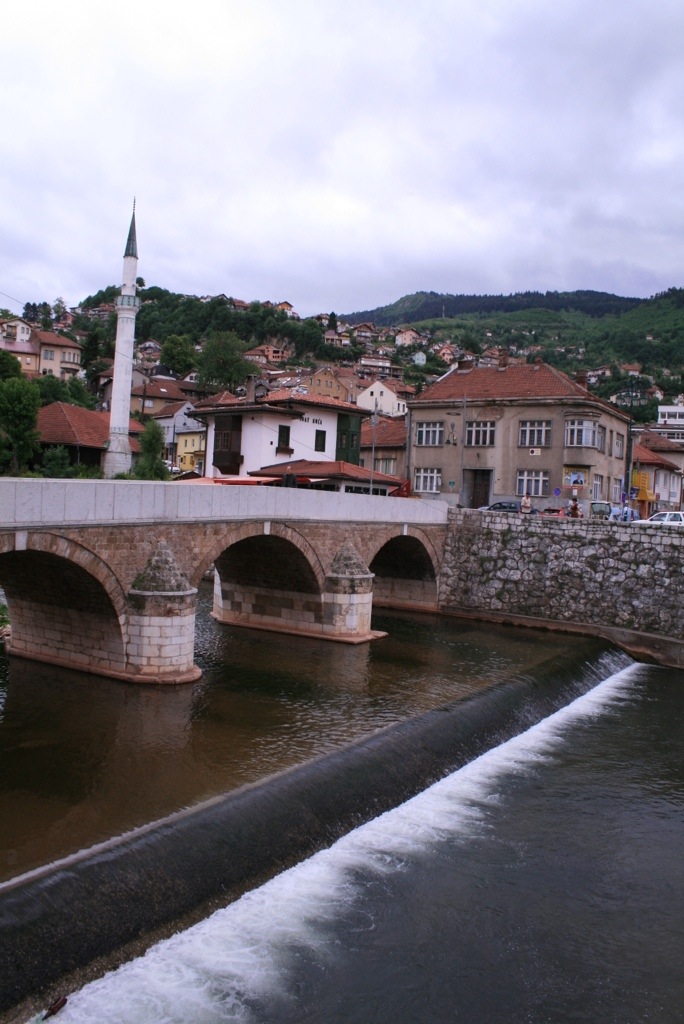
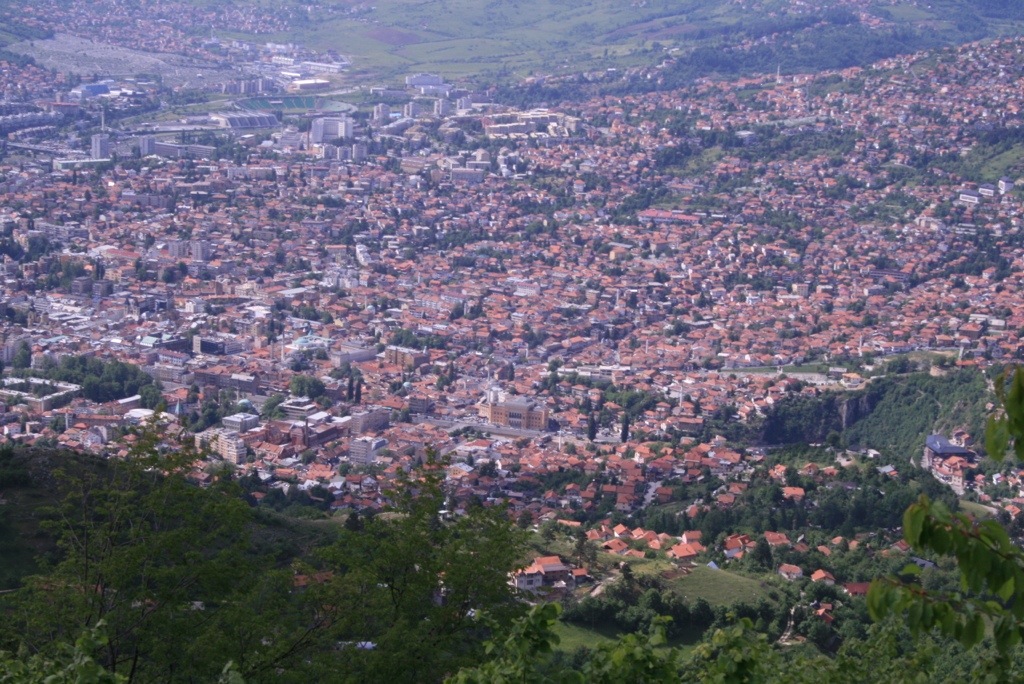
Arriving at night, in a foreign raining city is often difficult, made worse by the lack of detail on any map we had. In the end we got a cab to our hostel, in the old part of town. We’ve done 4 bed dorms and six bed places, but an 8 person mixed dorm is like a new subculture on to its own. Sandwiches for dinner at 10pm were made better with Tabasco sauce I have stashed in my bag for bland food emergancys.
I normally don’t blog about sleeping (its just not that interesting), but Emily (we had separate dorms since we got there last) had a fair share of extra circular extra marital activities happening in her room, that I’m sure the Pope would not have been pleased about. After few **** later by various people, she finally got some sleep.
The next morning we signed up for a tour of various sites around Saravejo that are typically difficult to get to by yourself. It was run by a passionate local man, who served 4 yrs in the Bosnian army, defending Saravejo during the siege.
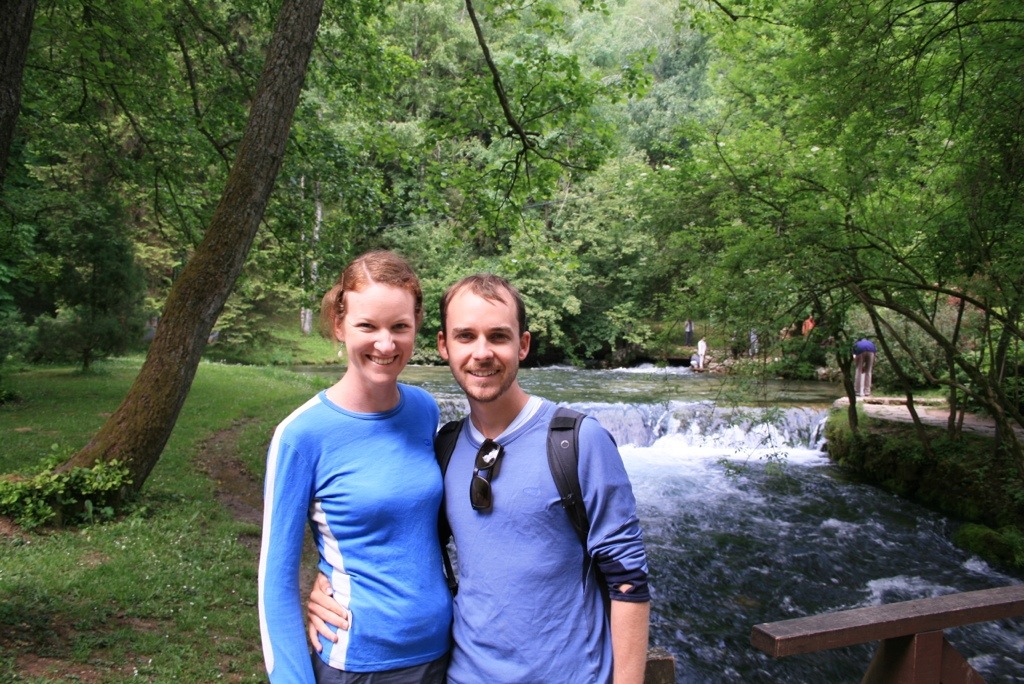
First we went to an beautiful park, with a huge spring that supplies most of Sarajevo’s water. The surrounding limestone mountain range is a great source for natural aquifers.
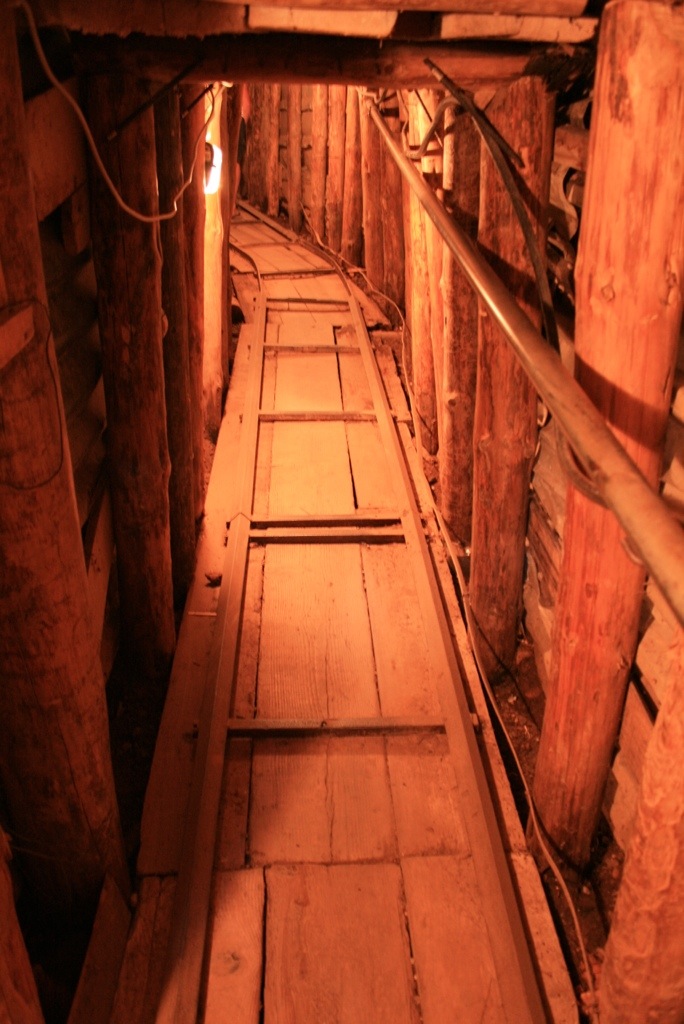
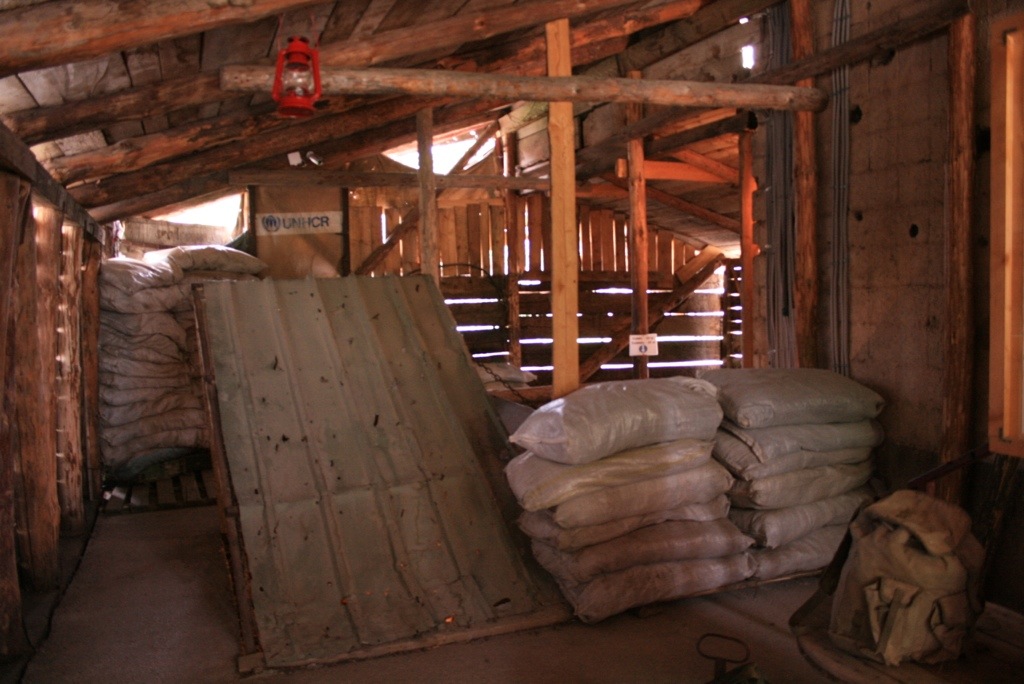
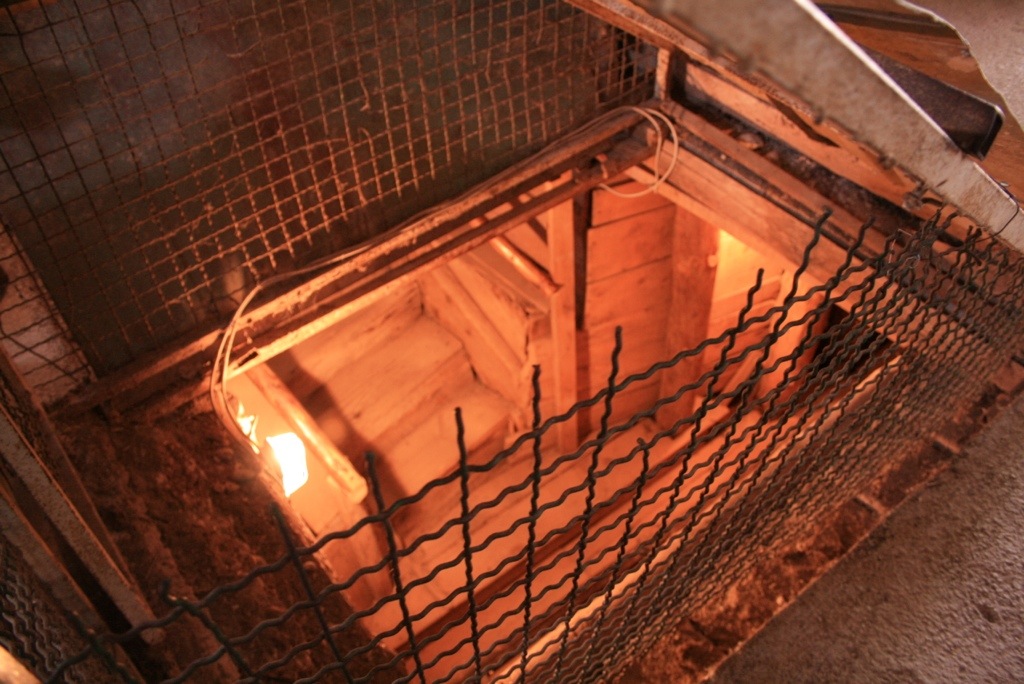
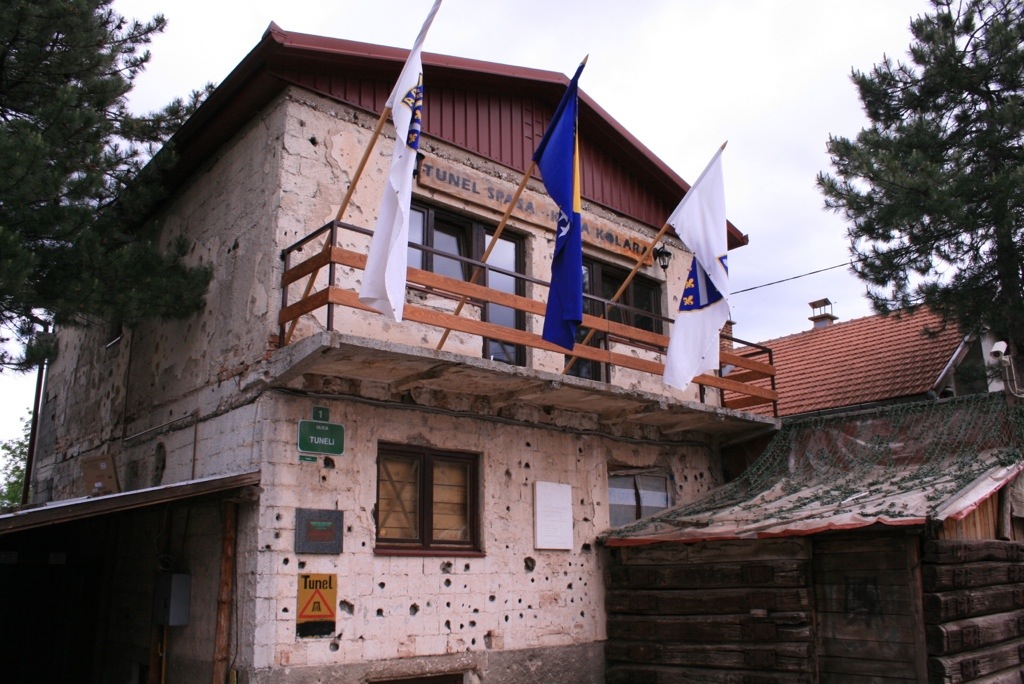
We then headed for ‘The tunnel museum’. Built during war, the tunnel served to connect the then bosnian held Butmir district in the south, and Sarajevo. The hand dug 800m long tunnel, stretched under the Saravejo international airport runway. Nearly 800 people died trying to cross the UN held runway before the tunnels construction, hit by Serbian snipers camped in the surrounding hills. The irony of having a UN guarded runway used for humanitarian aid flights, the site of a significant number of fatalities was definitely not lost on the group.
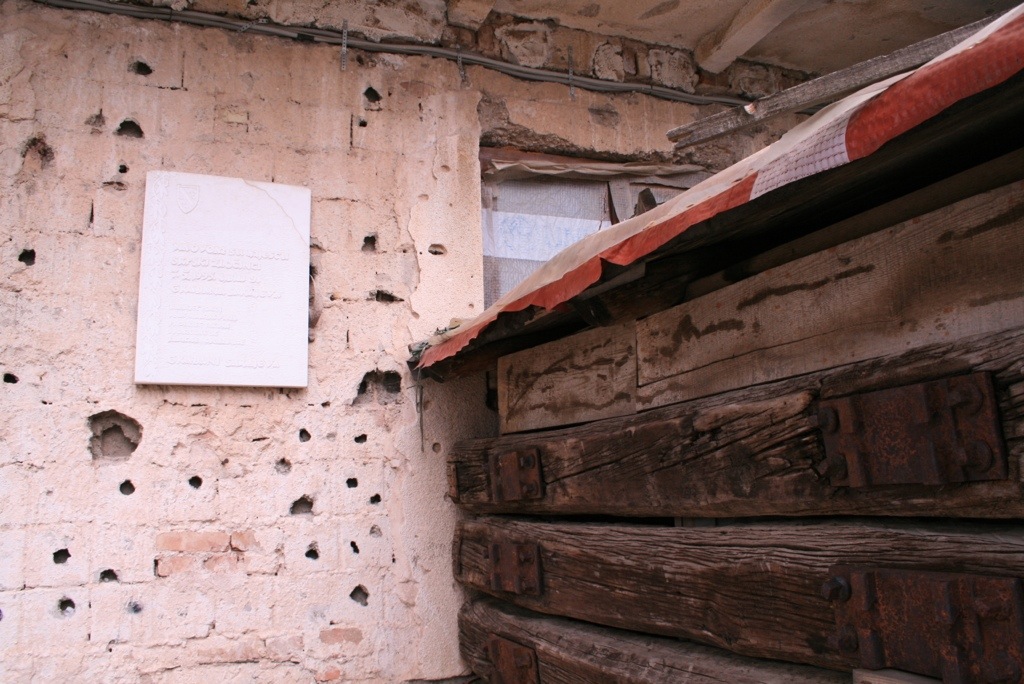
We watched a video describing the tunnels construction and documenting its use to carry supplies and aid into the town. It was incredibly moving as our guide explained his role digging during the war. You could then walk through a small section, feeling the bullet holes in house which served as the entrance; the same house as the one in the video we had just watched.
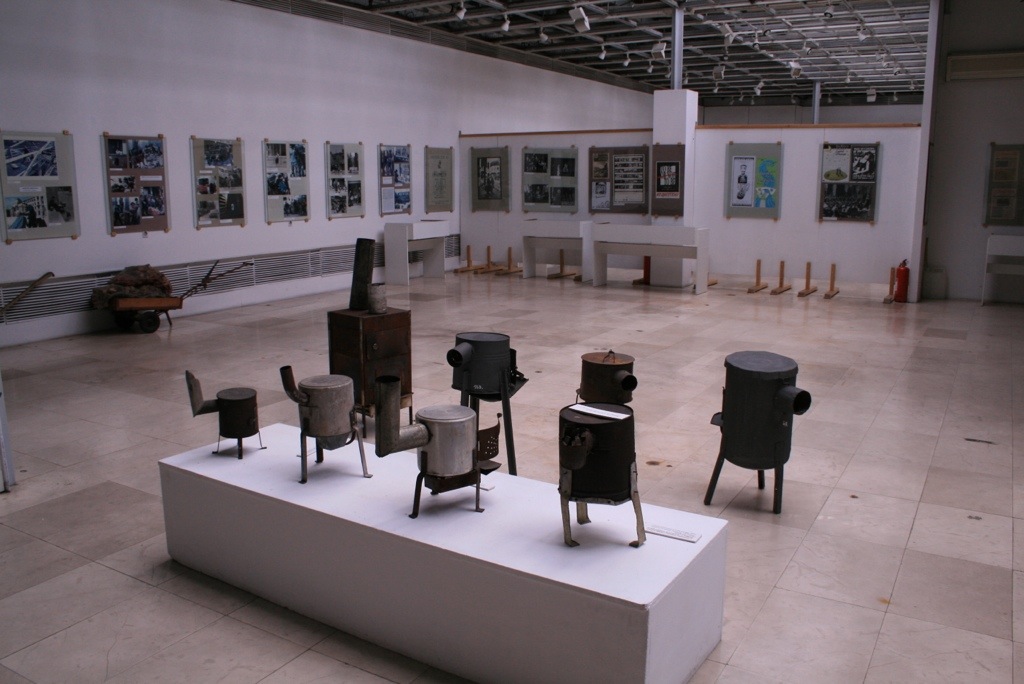
We then headed to the History museum. Located in a sorry war torn building, still riddled with tank rounds and shrapnel marks; that displays timeline of major events in the siege of Sarajevo. Using newspapers and moving photos, it described how life was for normal residents during the time. It was made more poignant as our guide would often personally reflect on items displayed, and commenting on how different events personally affected him. The war dinar currency was captivating, modelled on the design of Monopoly money.
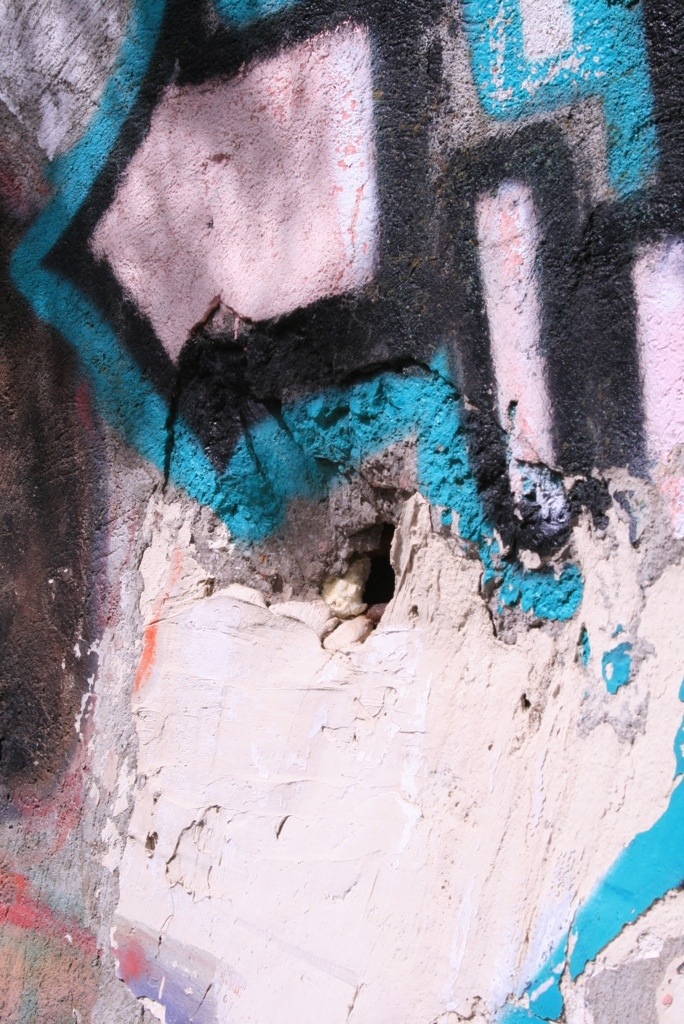
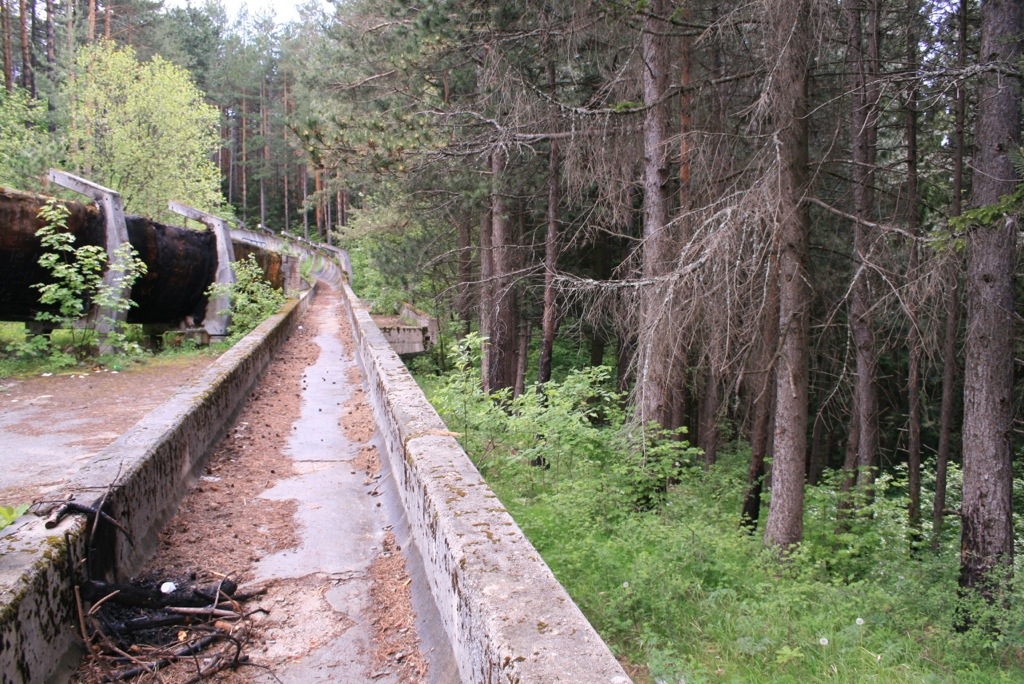
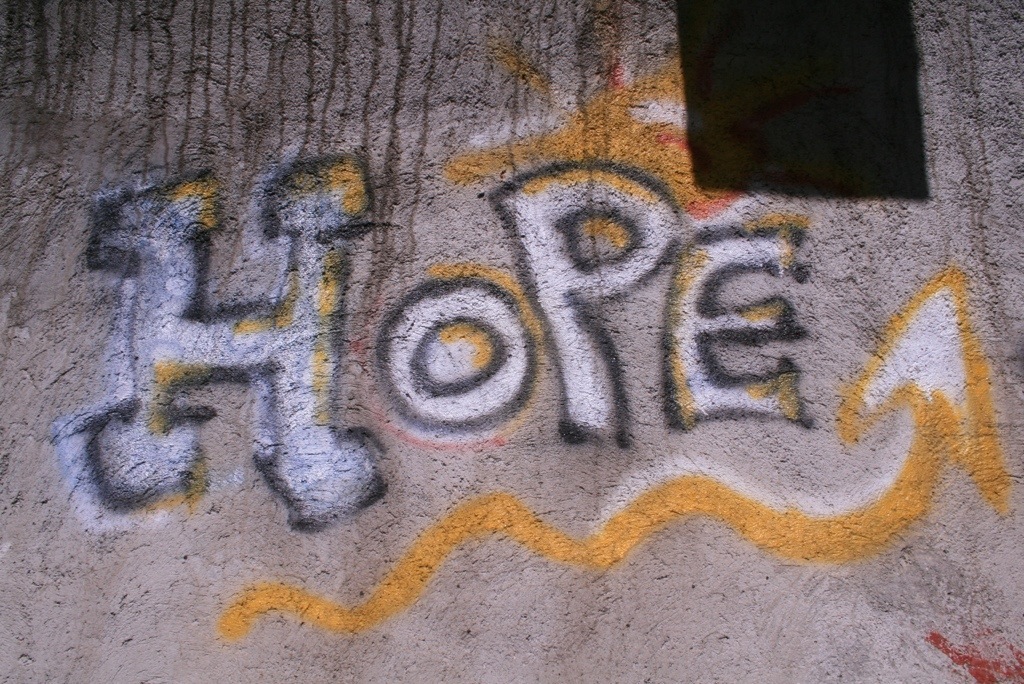
After a quick lunch, we headed up to the 1984 Olympic bobsledding park in the hills. This was the site of the Bosnian/Serb front line, each side occurring a different side of the track; their trenches still evident, with bullet cases in the grass. Our guide showed where he was stationed and which holes in the track they use to shoot through. In all of the war, the front line never shifted more than 100m overall from the same area; a signal of the pointlessness of it all. Its ironic that the modern Olympics which was invented to bring people together, served as a physical barrier between two waring ethnic groups. It now is slowly becoming graffitied, much like the Berlin Wall. As we drove down the road he often pointed out exact tank positions as he remembers them from the war.
On our way home, we get stopped by the police; our lights in the van don’t work. These are Serbian police, as since they Dayton peace accord in 1995, Bosnia and Herzegovina is essentially an amalgamation of a Bosnia authority to the south and an extension of the political party which governs Serbia in the north. It’s a relatively peaceful dual state, with Saravejo effectively divided in two (much like Mostar). Our guide chuckles as he gets back in, after going to the aid of the driver; ‘thankgod we don’t have corruption in our country (he said smiling), 10 euros fixed it all good though’
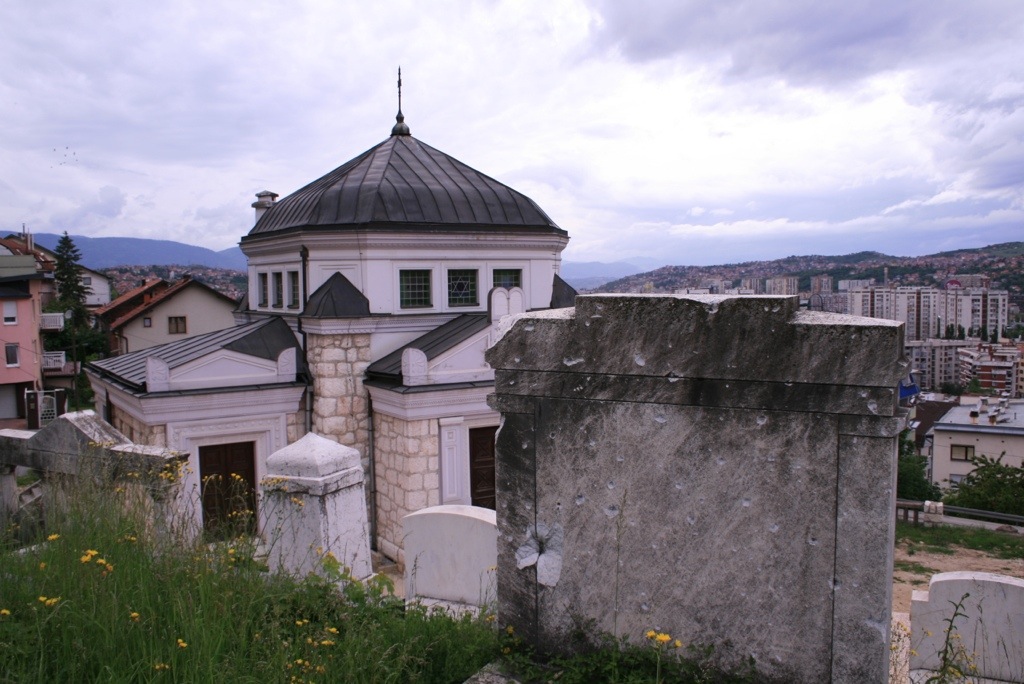
We then head to the Jewish cemetery, the oldest in the Balkans. It’s an amazing site; the bullet holes through the head stones, a tank shell mark on the monument commemorating concentration camps in WW2. It also commemorates the concentration camps during then Bosnian war – it’s as if humanity never learnt from the horrors of Nazi Germany. Our guide beautifully explains the long history between the Jewish and Muslim communities over the centuries; particularly how the Muslims of Saravejo secretly protected a 12 th century Jewish text in a mosque, that Hitler personally tried to steal. What happened to Jewish-Muslim relationships these days.
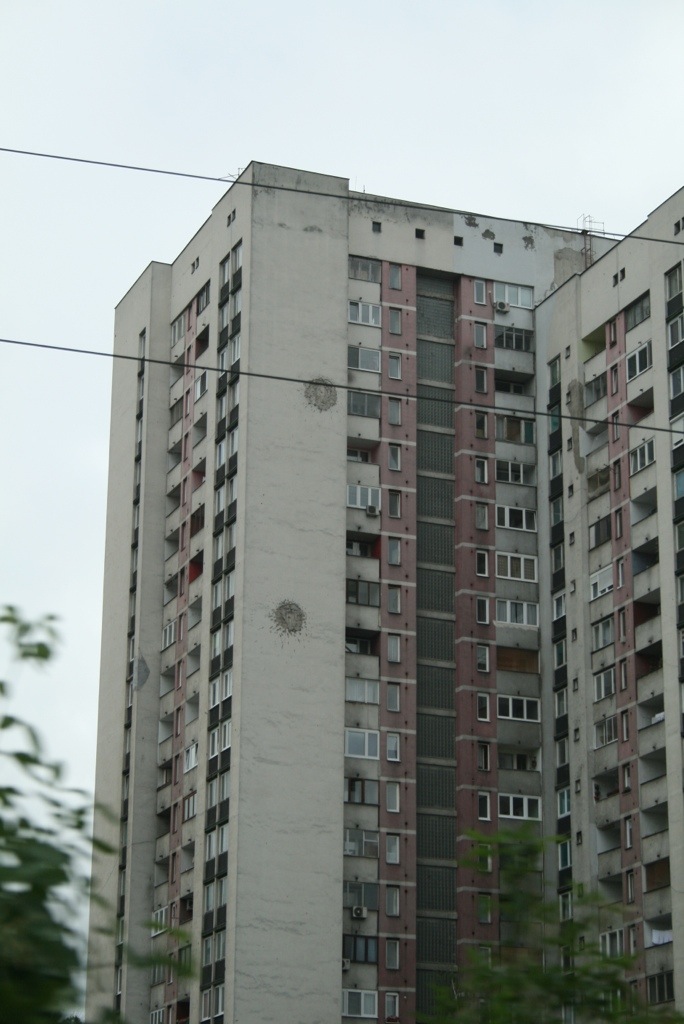
Driving home, we see a classical image of the war. A socialist style apartment block with massive repaired tank shell marks on the wall.
Dinner that night was amazing, a beautiful stew and homemade bread. Fantastic way to end a long day. Some comic relief ; a busker with massive oversized head phones effectively silently dancing in the street. Classic !
The next morning it’s pouring down. A few coffees later and some house keeping and phone calls back to NZ we head to the Srebrenica photo exhibition.
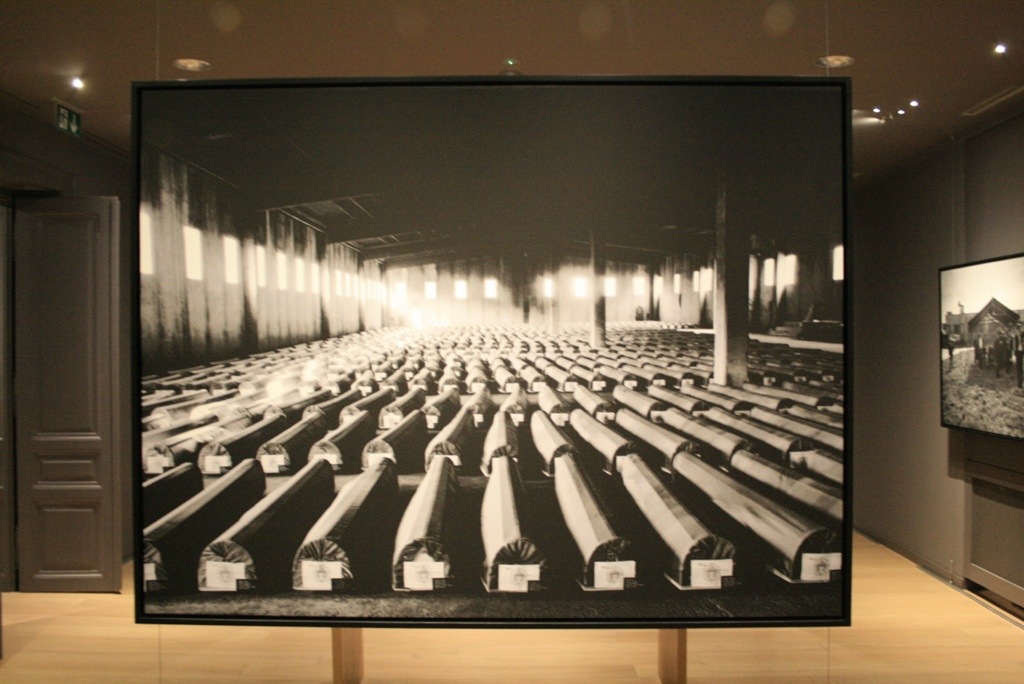
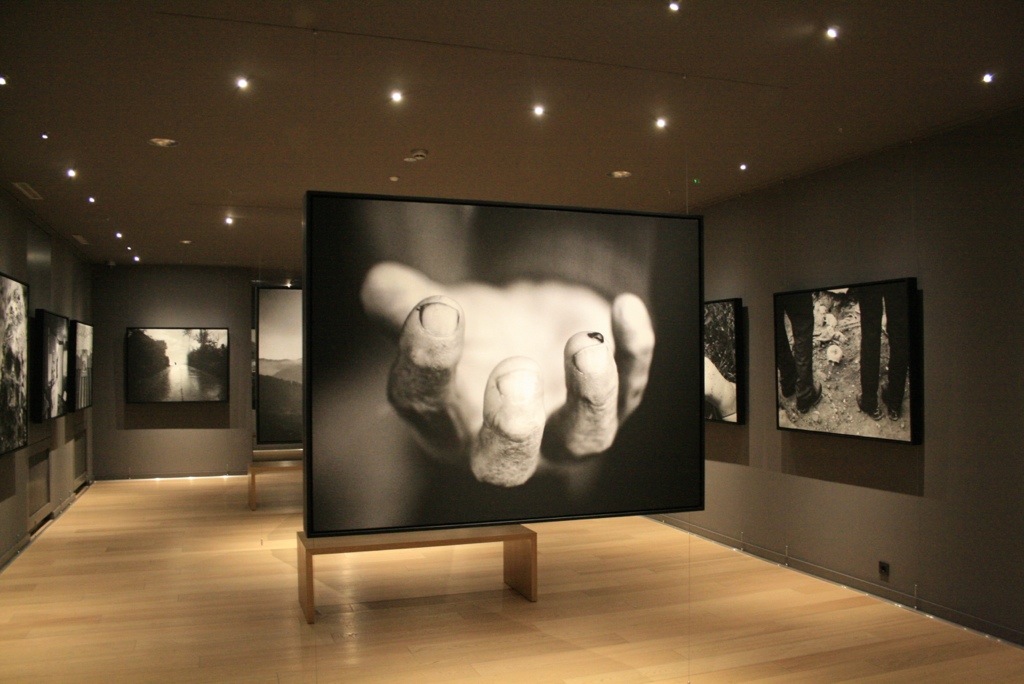
The museum was an experience that is truly difficult to convey in words. You are initially presented with black and white images of all those who died, a roll call of the men of Srebrenica. The names of thousands of men line the walls.
The graphic first photo poignantly shows hundreds of coffins laid out following the discovery of the mass graves. One telling moment, is a young 3-4 yr old girl who points in an inquisitive way trying to get her mums attention, to a photo of a doll covered in dirt, its head cut off around the mouth. It was a amazing contrast of two forms of ‘innocence’.
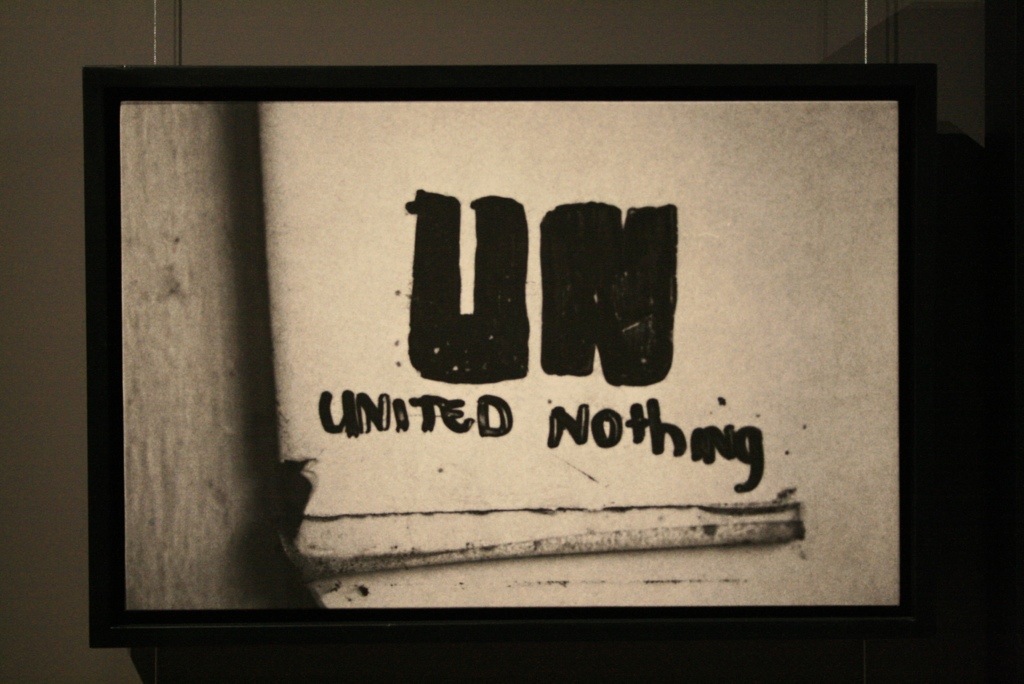
The audiovisual displays are amazing, going through all of the events leading up to the massacres. It’s becomes apparent the failings of the international community – never underestimate people’s ability to destroy a culture, a people or an idea. A photo really summed up the entire feeling; ‘UN-United Nothing’ .
I felt like buying a book to learn more, however I came away feeling drained, with a slight distaste of humanity. Things like this really put in perspective a lot of what we do in every day life. It’s also complex to debate the role and effectiveness of the UN. It seems like conflicts come and go but nothing much changes.
We head off to a quiet dinner, before going home to pack for our trip to Turkey.
Bosnia you have been truly enlightening. You have uncovered my own failures in my knowledge, have showed us unique personal insights into a defining period in the world; and most of all shown us a beautiful country.


 fourfeettwopackssixmonths