We arrive into Eceabat, a small coastal town which serves as the main ferry hub to the Asian mainland, and find the Crowded house hostel. From the outset it seems like this place caters for Australian and New Zealanders (slightly obvious from the name I know), but it has small things in the room that make a difference.
An early night was had after a long drive.
Next morning we decide to check out a small settlement down the road before our Gallipoli tour started at 12. Utilising our new found freedom to go to random places and stop at will, we visit Kilitbahir (meaning lock of the sea), a defensive fortress built in 1452 to defend the Dardanelles. It classically dominates over the more recent 19th century defensive bunkers on the shore line.
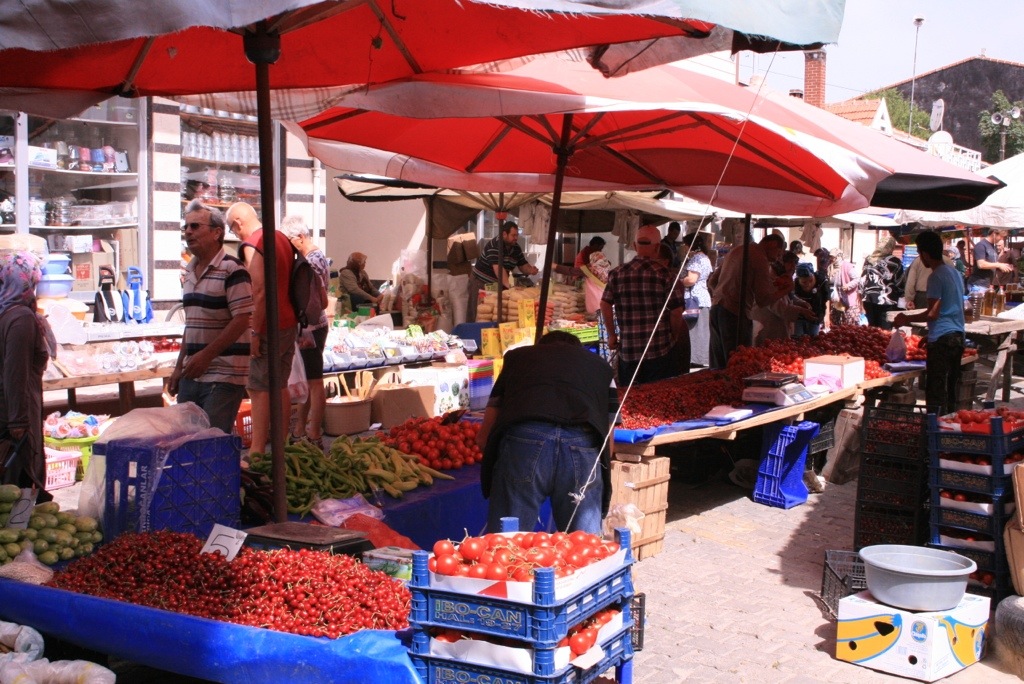
Back in town we visit the bustling local market which appears to have grown out of the nearby alley. It’s a fantastic shift from the madness and rampant tourism of Istanbul, which at times can leave you feeling like you’re simply in Turkey ticking the tourist boxes of interesting places. We buy a bag of yummy juicy cherry’s for a few dollars which are amazing (sorry Otago cherry’s), a massive bag if vegetables (in anticipation of making a simple salad later) and some dried fruit. It’s so good to eat non prepared food for once.
Off on the Gallipoli tour which we joined as thought it would add more context to a slightly confusing landscape of historical areas.
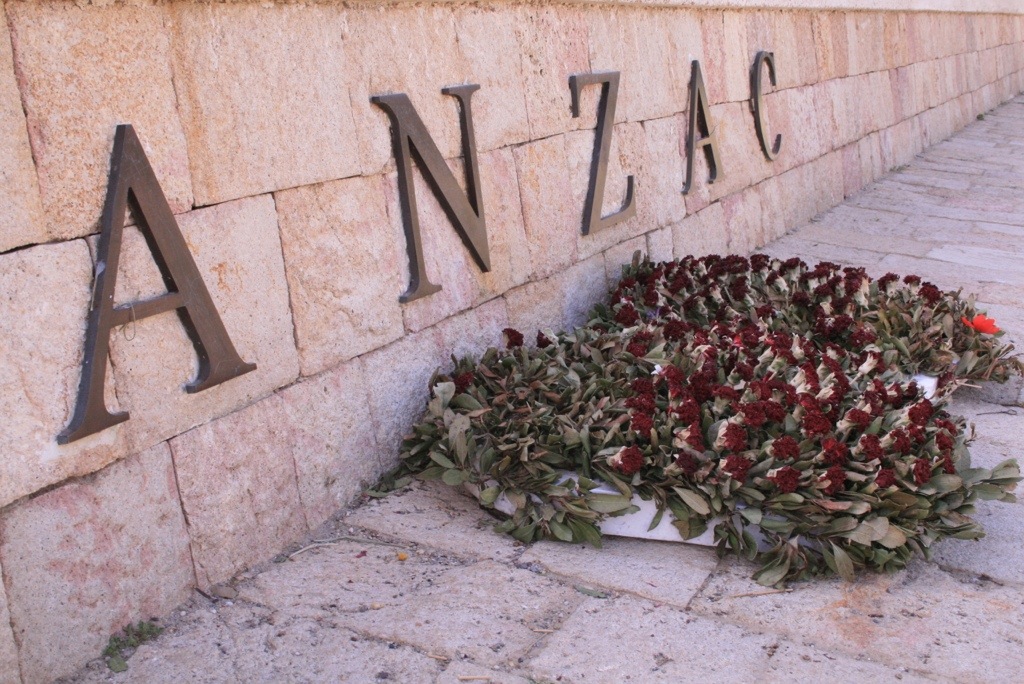
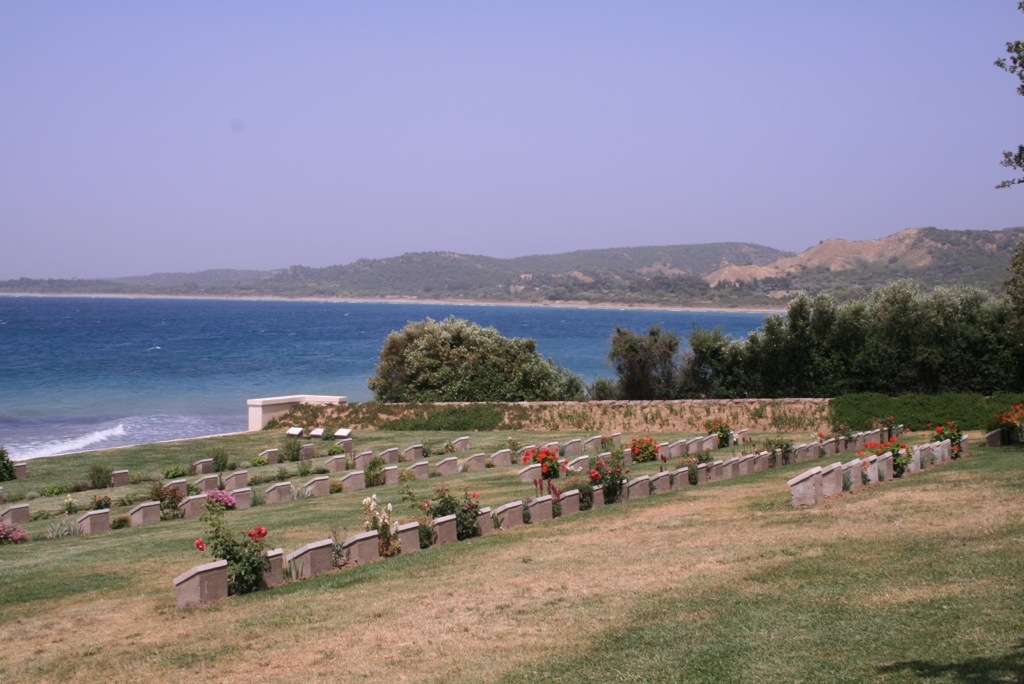
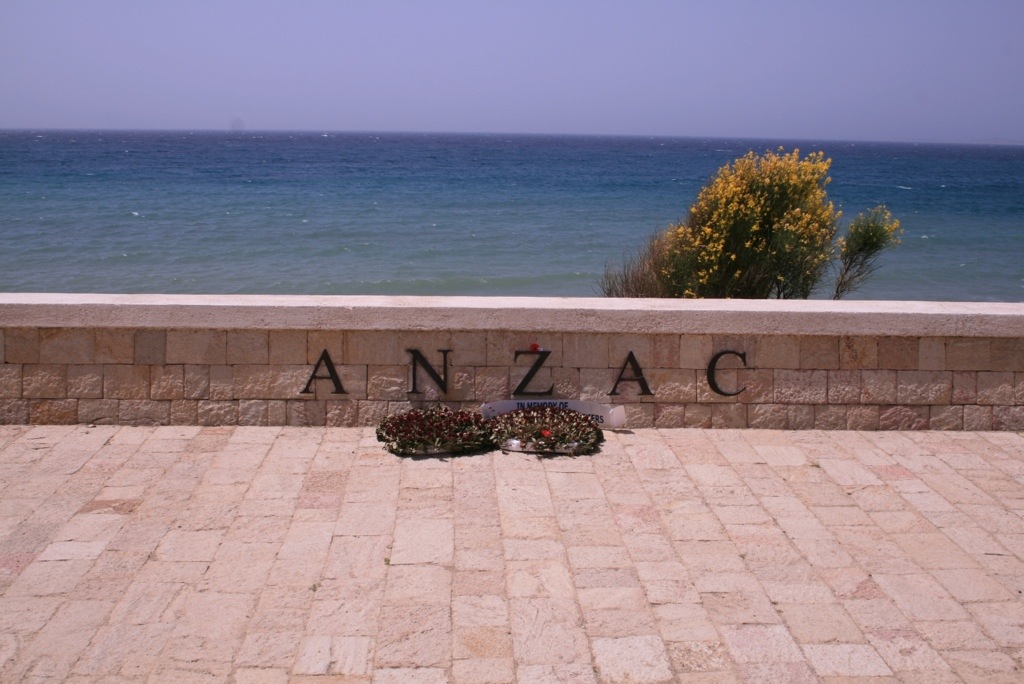
Arriving at ANZAC cove, where the first soldiers landed was a moving experience. A beautiful cemetery called Shrapnel Valley cemetery lines the Sea front. The grounds are beautifully kept – gardeners are paid by the war commission to maintain the allied plots.
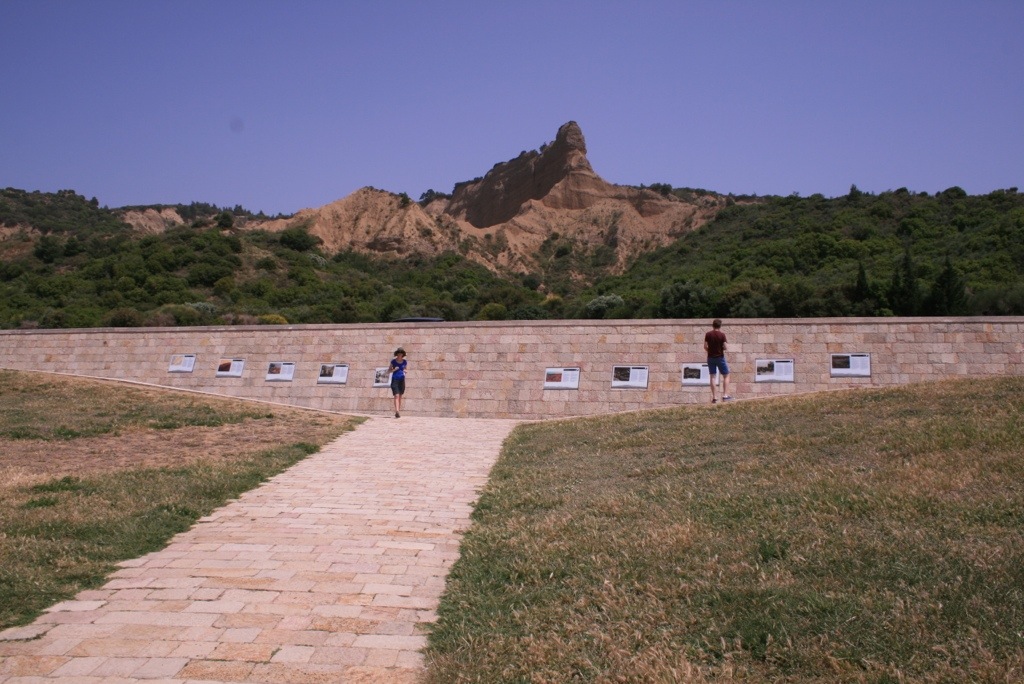
It was also the original place where the dawn services use to be, but the area became too small for the crowds so the Commonwealth War Commission built a much larger Anzac memorial ground about 200m further up the coast. However it still seems such a small area compared to the images you see on Anzac Day, and hardly looks like it will accommodate the 10,000 ticket holders for the 100 year service in 2015.
It’s at this point that’s I feel suitably overwhelmed by my obvious lack of knowledge about the rest of the events in the war, beyond the 25th of April. Despite feeling a great deal of national pride, its tempered with a sense of shame that I haven’t studied my history.
We head up the hill to various other cemeteries, almost following in chronological order the major offensives of the 8 month conflict.
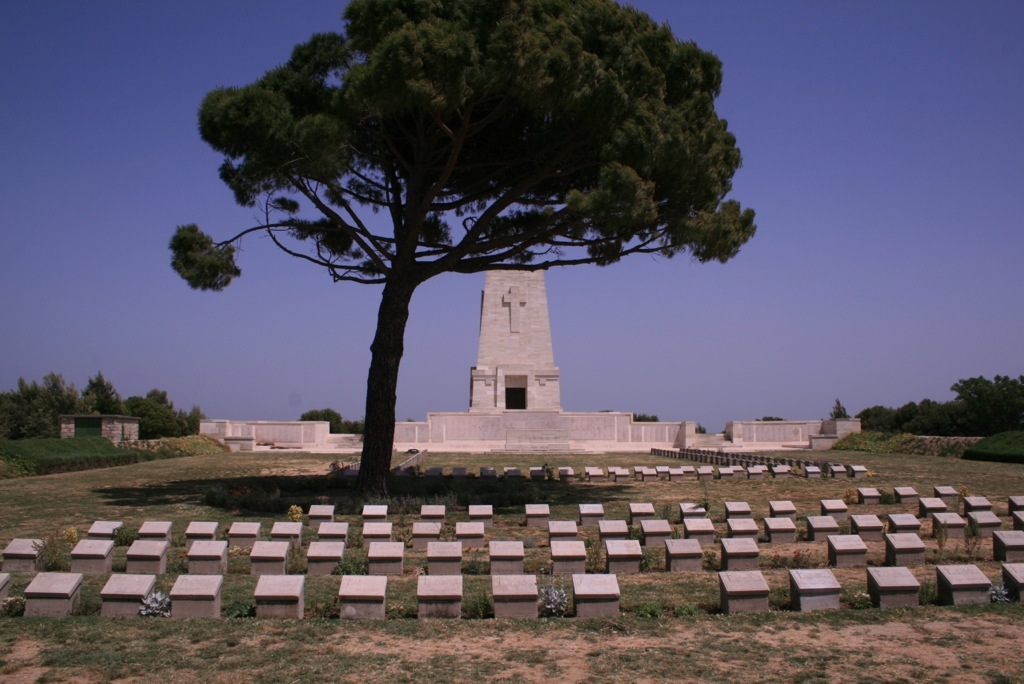
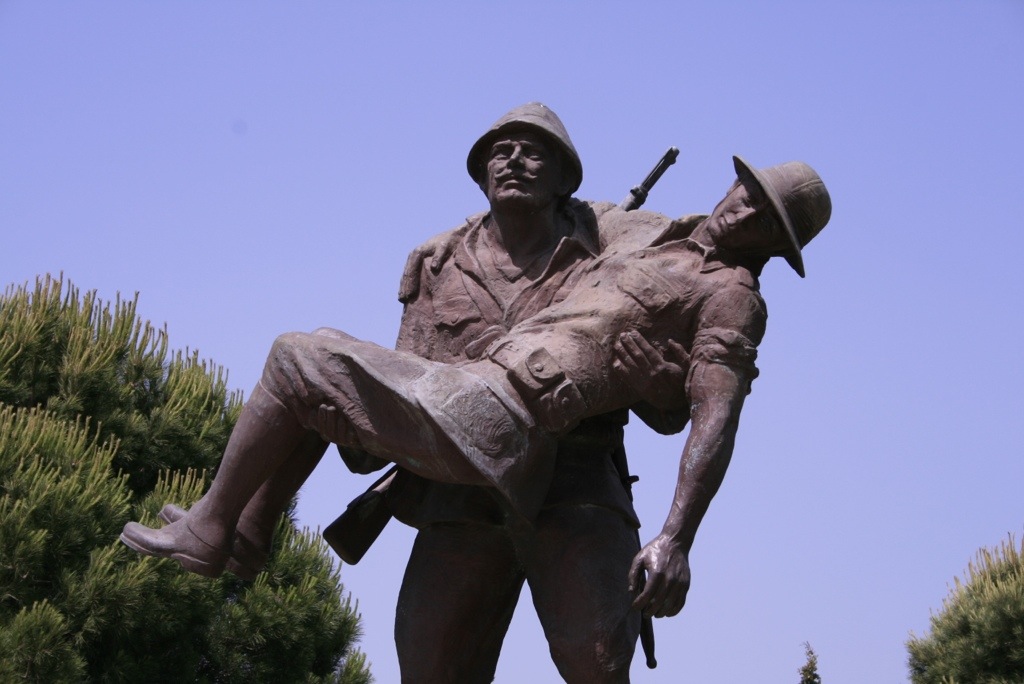
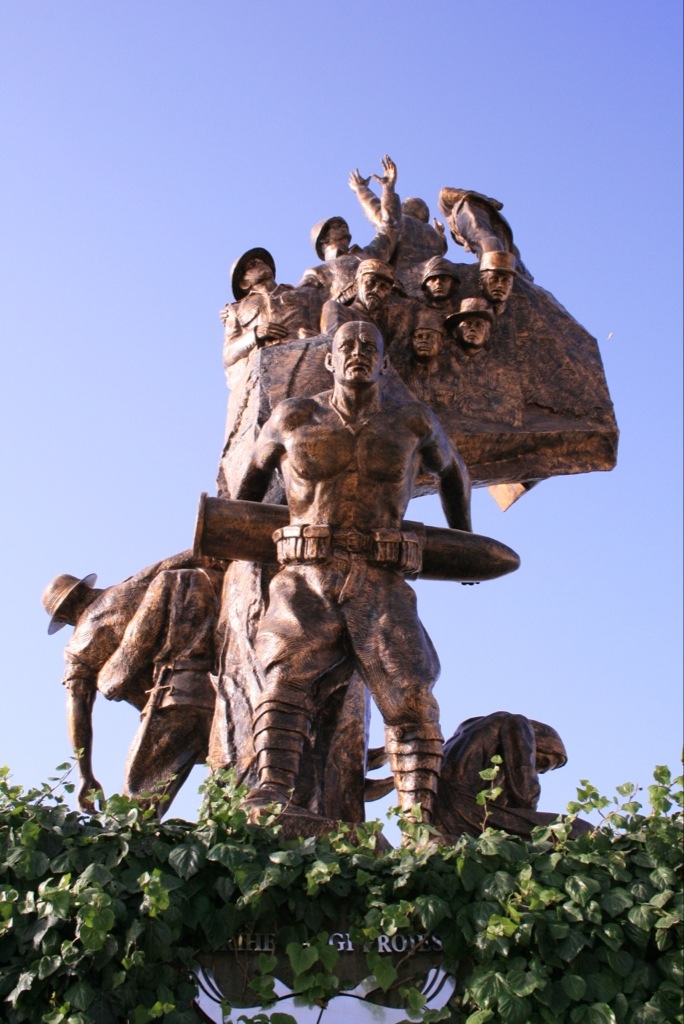
We first visit ‘Lone Pine Cemetery’, commonly referred to as the Australian memorial; a single large tree dominating the small area where 7000 men died over 4 days. The evidence of trenches by the road side brings home the reality of the conflict. Beside this area is a statue depicting a ‘Mehmet’ or Turkish solider carrying a wounded Anzac back to the allied trenches. The story is famously recounted many times over, often referred to as the point which changed the way the Anzacs viewed the enemy. The bronze cast statues are amazing.
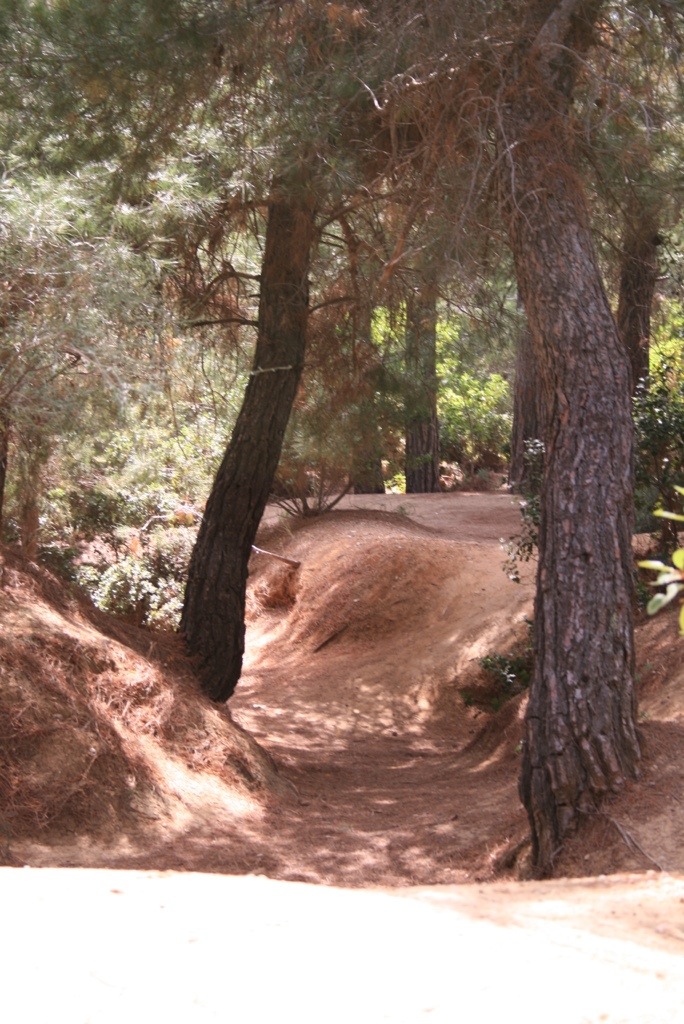
We head past a number of other small cemeteries, each named after a famous Anzac solider or important battle in the war. It’s interesting to hear the military history from a young Australian solider on our tour; who had clearly learnt an amazing amount in the army. At this point trenches are clearly visible on either side of the road, with only 8 metres between frontlines at some points. There are still bullets to be found, as one of the guys on our tour comes back with two shell casings.
We head to the Turkish memorial to the 57th regiment cemetery, who famously held off a large Anzac attack.
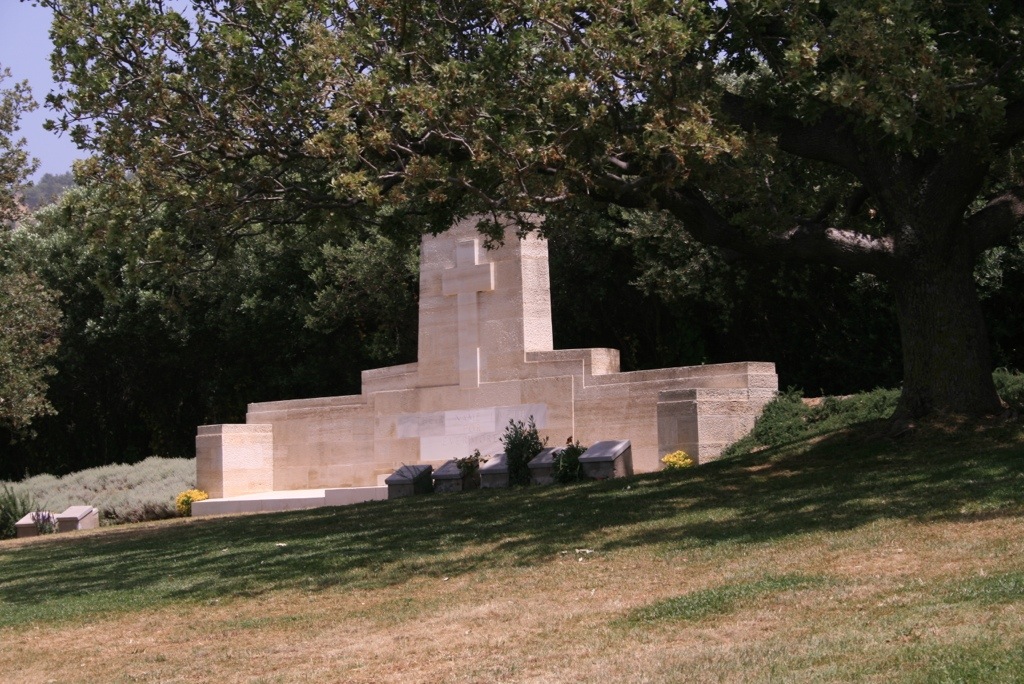
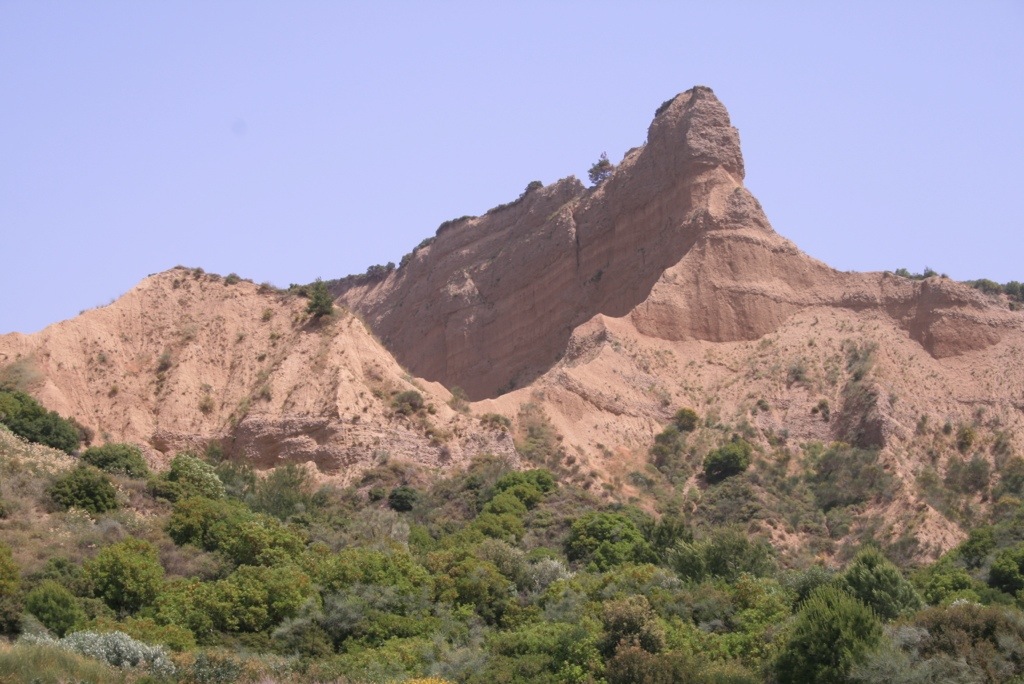
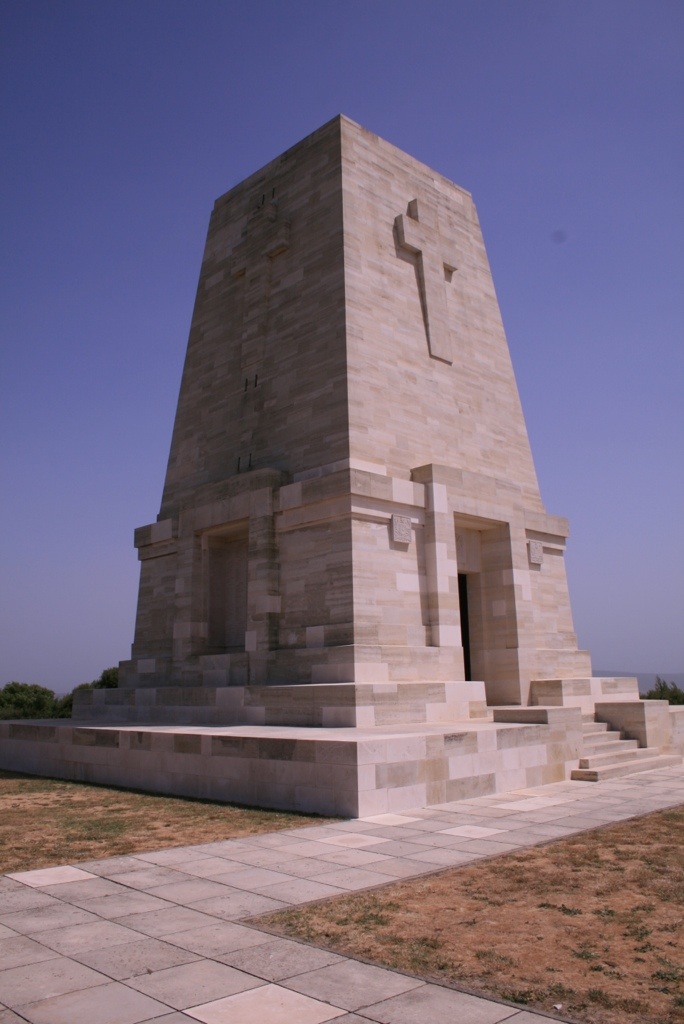
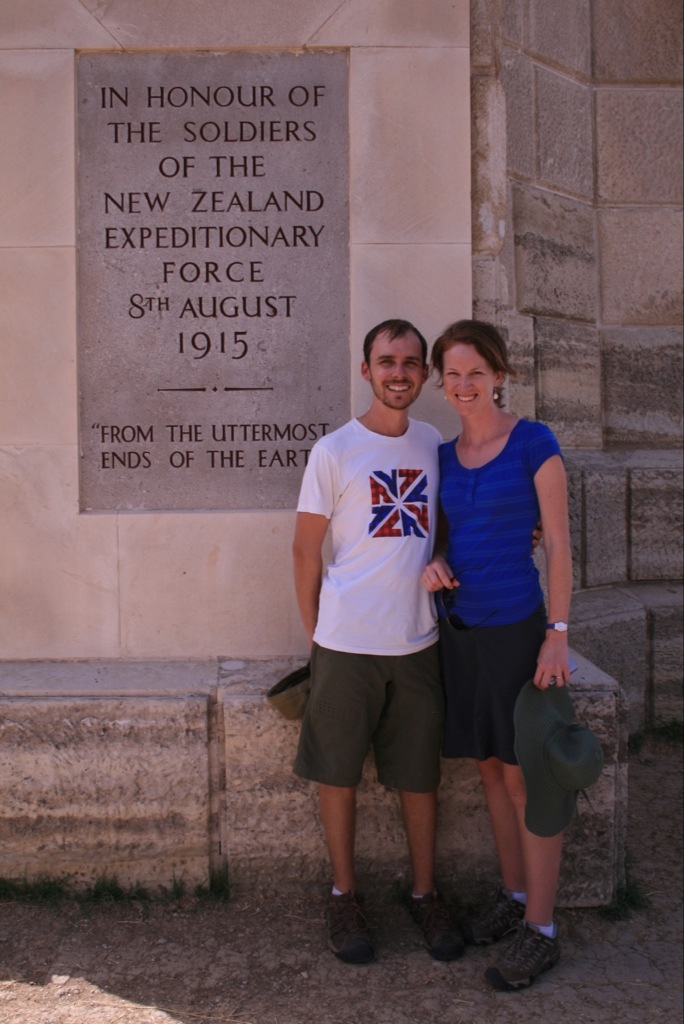
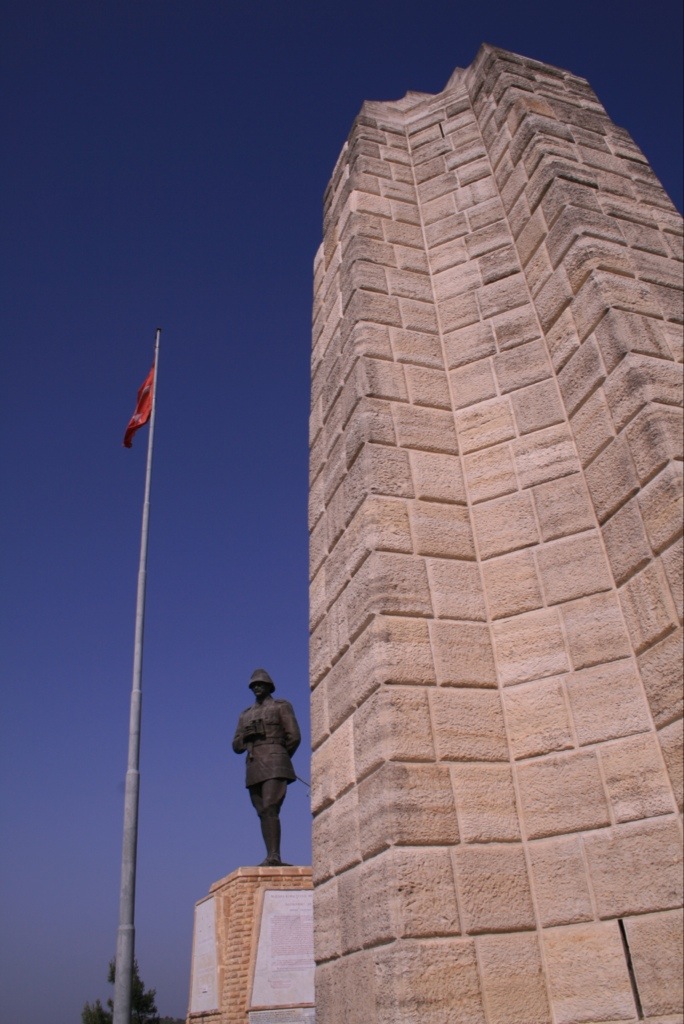
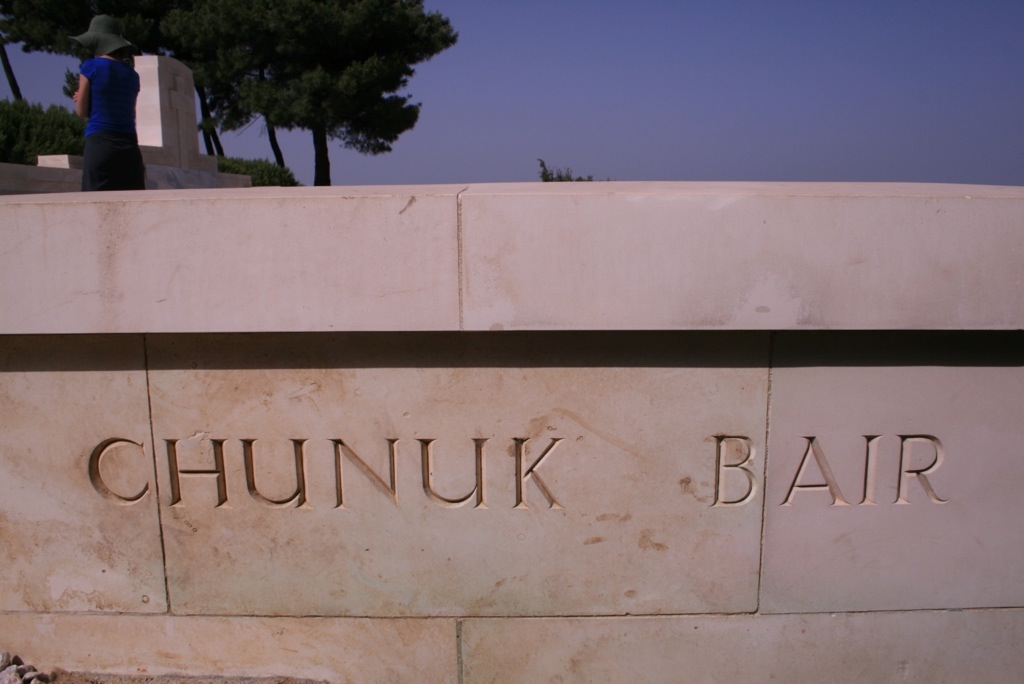
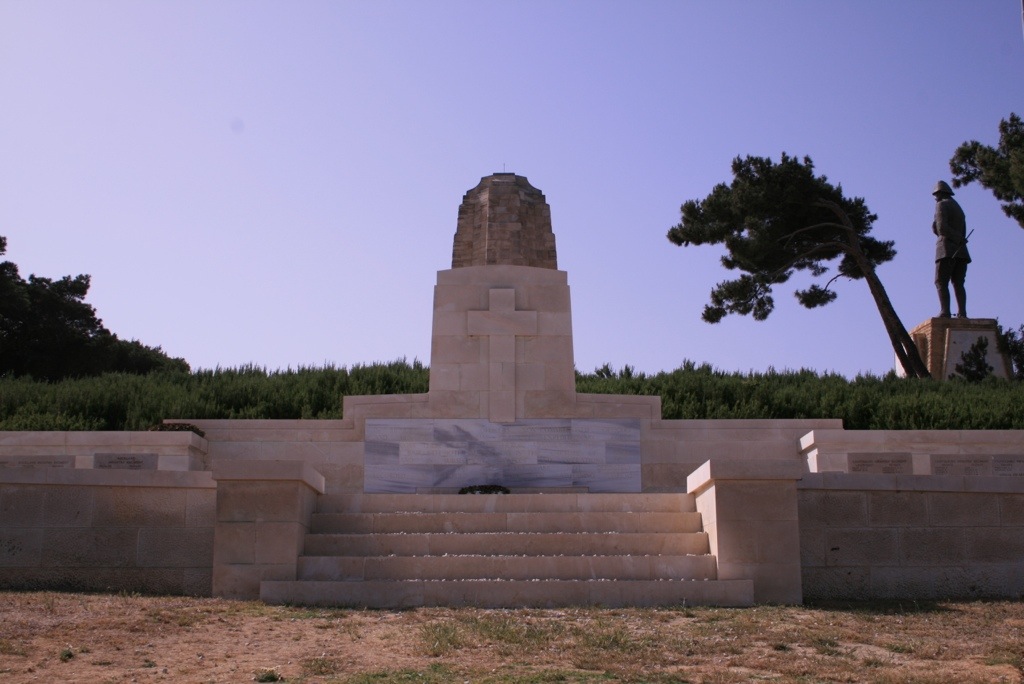
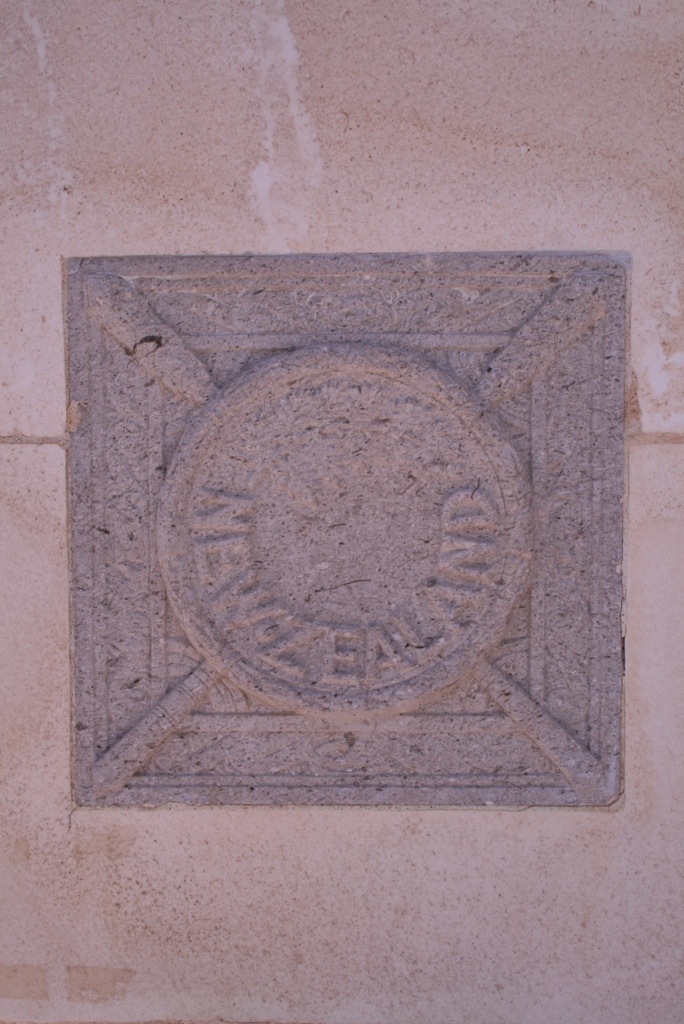
The last place we visit is Chunuk Bair, (the first objective of the allied landing in 1915 was to capture this hill) the site of the New Zealand cemetery and memorial. made famous in Turkey for Mustafa Kemel’s (later to be known as Ataturk, the founder of modern Turkey) 57th regiment which resisted the first Anzac attack. The New Zealand cemetery and memorial is stunningly placed on a hillside; empty of the thousands of Turkish people which are visiting the Turkish memorial up the hill. It’s a nice opportunity to reflect on a moment that really defines New Zealand history and culture.
The man selling ice cream really needed to shut-up though – it’s a cemetery, not a minimart.
With the tour over we head back into town. Emily has found out a relatives name at Gallipoli, so we head back up to Lone Pine to find on Thomas Alexander Gillanders on the NZ wall. We also revisited Anzac cove as the sun set, now a quiet place away from the tourist buses.
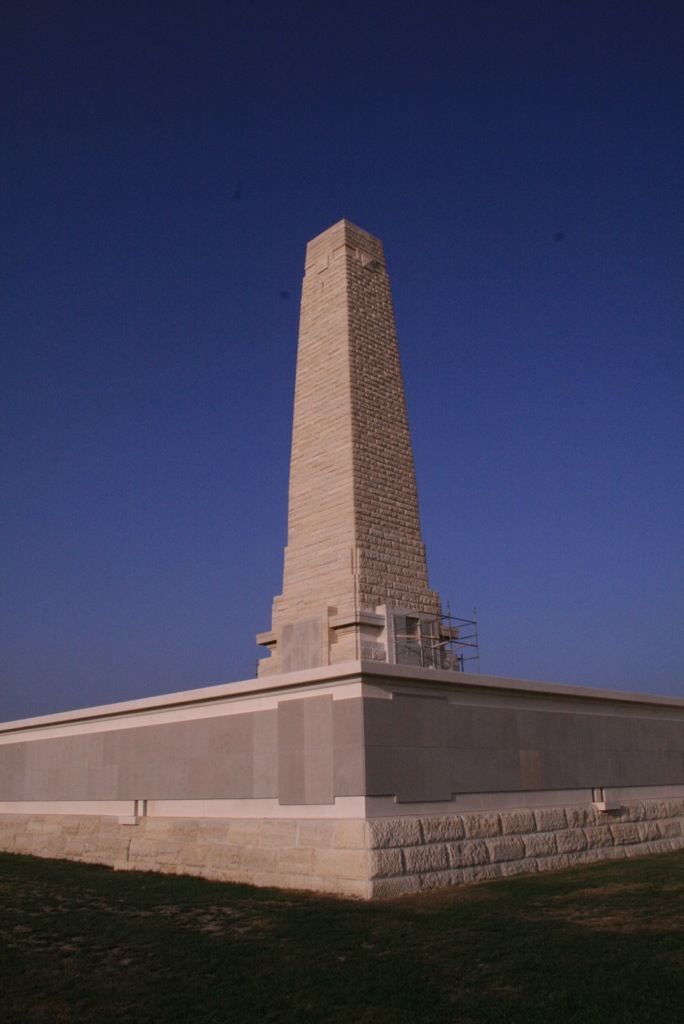
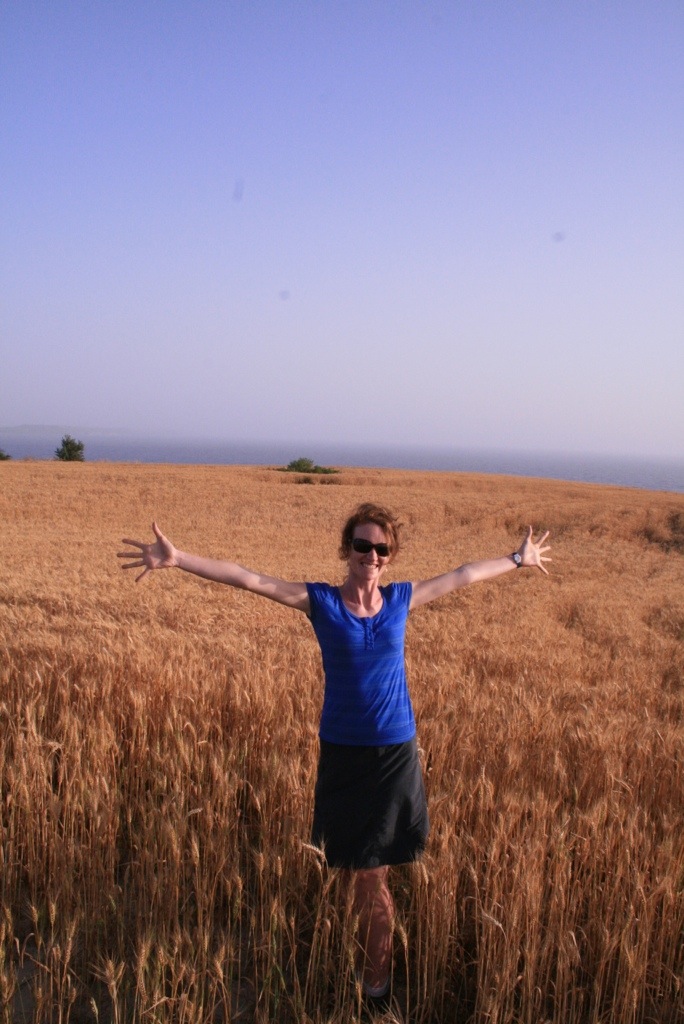
Having the car we take the opportunity to travel to the southern peninsula, to see the British Memorial near ‘V’ beach. It’s a massive beautiful structure surrounded by amazing shimmering wheat fields in the sunset. It’s nice to be alone here, away from any other tourist groups which seemingly were always in your photo, or yelling out to each other at the other places.
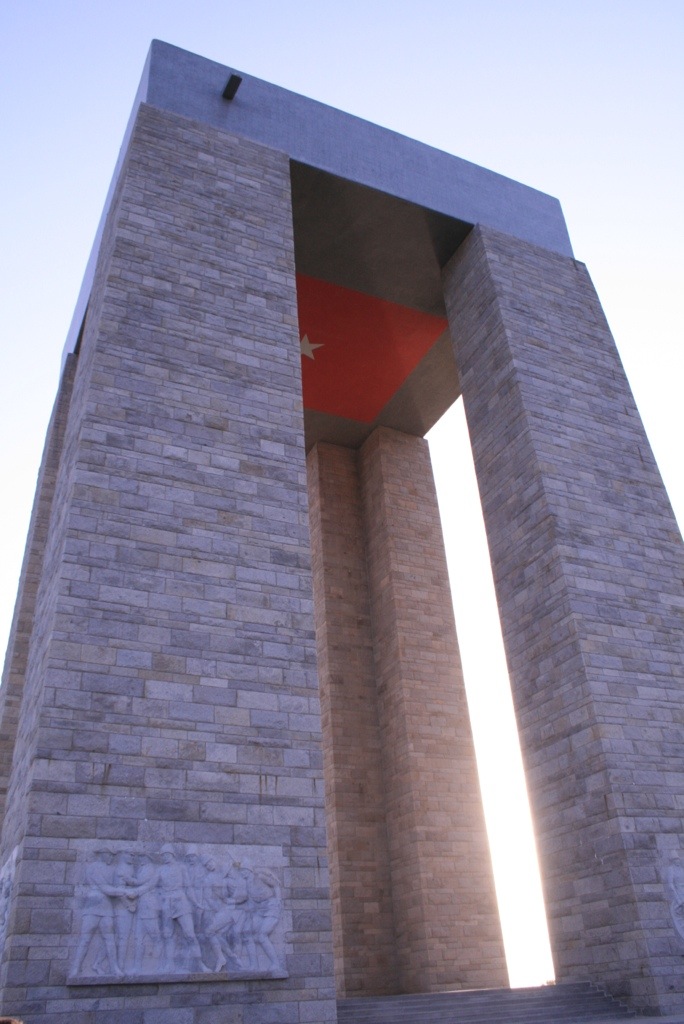
We decide to see the Turkish national memorial on the tip of the peninsula. A massive almost socialist style structure 42metres in the air. Again it was nice that it was empty due to the time. It also reminded us of something that I had not appreciated before coming; the massive national pride in Turkey over Gallipoli. Holding the allies at bay gives Turkey a massive sense of national identity. More so, Gallipoli is the coming of Mustafa Kemel, who would later be called Ataturk (Father of Turkey) during the war of Independence in 1919-1920, and who defined modern Turkey.
Visiting Gallipoli has been an amazing and eye opening experience, we are very proud kiwis! I need to learn more! ( will try to download Gallipoli movie)





 fourfeettwopackssixmonths
Special times! You guys are looking quite brown!
I know, I’ve never had a tan line before, it’s amazing!! Xx