Emily : Standing out on the platform at 6.10am, we were greeted with a huge smile by our lovely Mongolian guide Oko, a 26 year old whose family originates from Kazakstan.
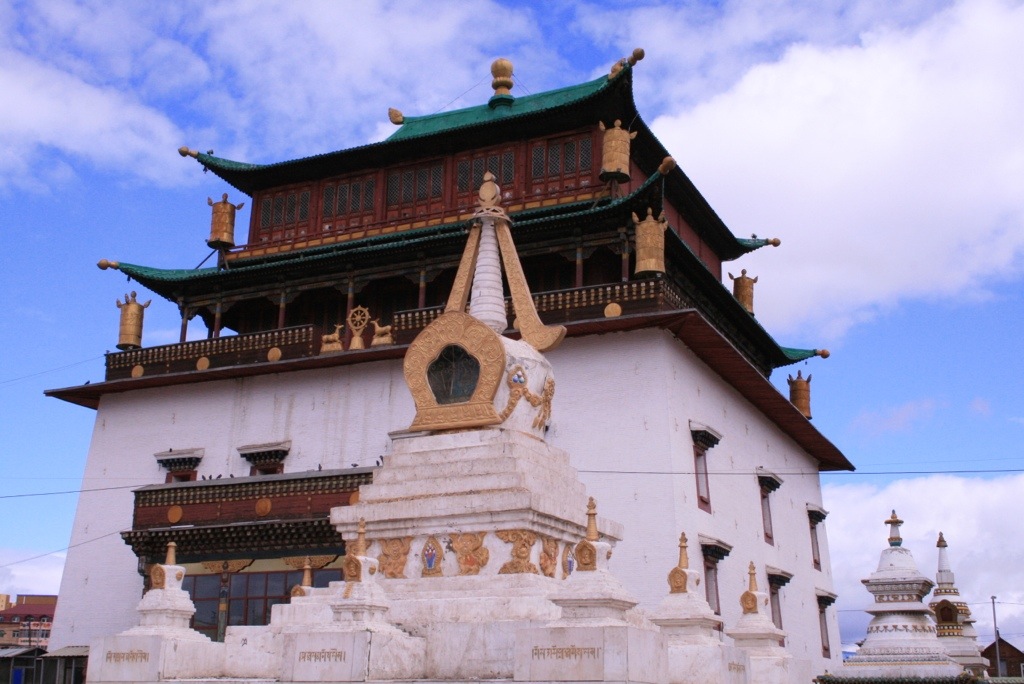
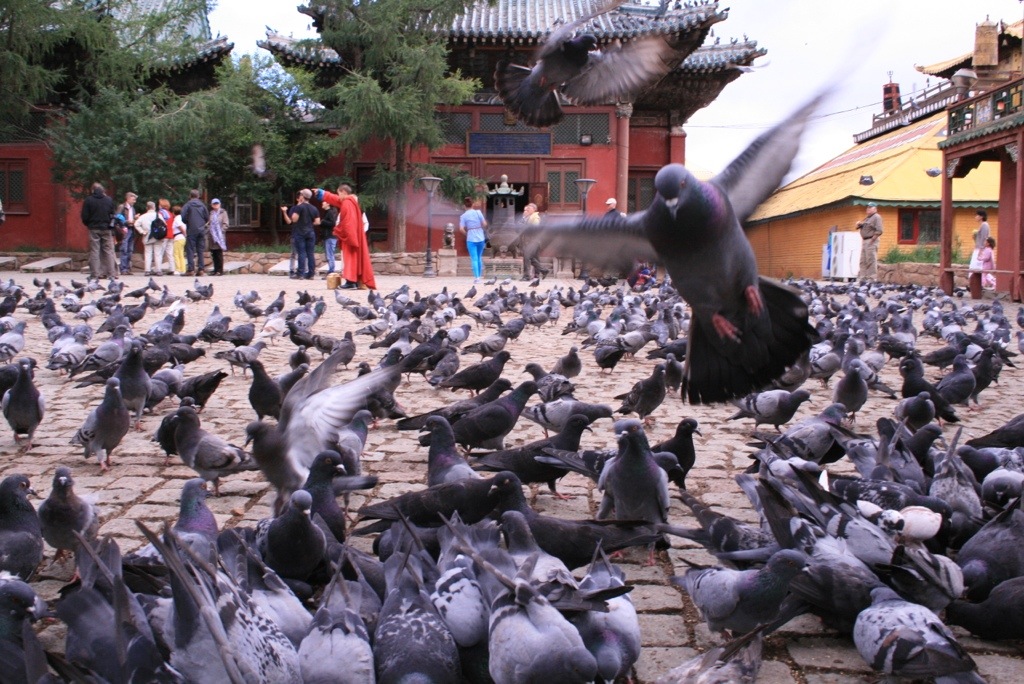
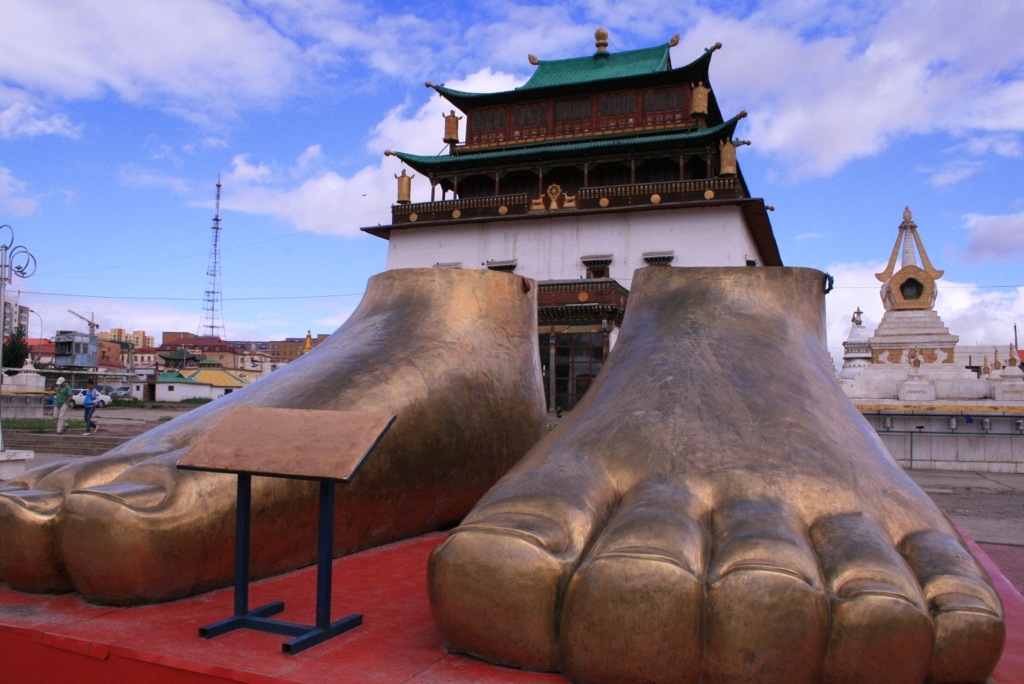
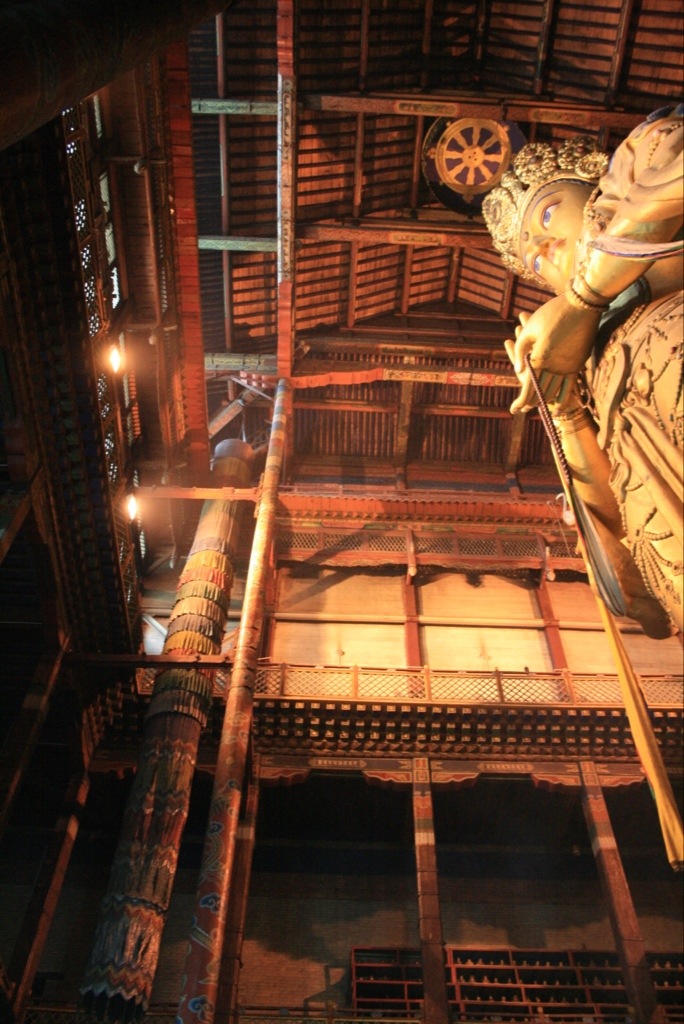
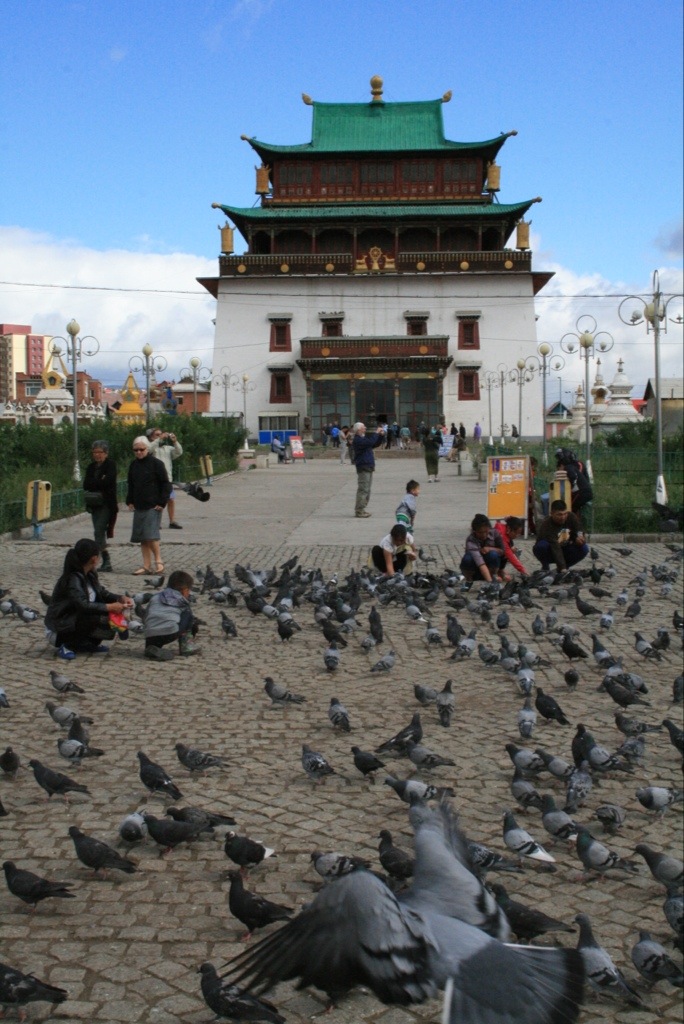
First stop was a local hotel for breaky (decor looked liked a 70’s wedding reception!), then off to Gandan Khiid Monestry! This was a beautiful collection of buildings and temples built in 1838, and has housed the 13th Dalai Lama, survived previous communist periods, and currently has 600 resident monks. We were greeted by HUNDRED’s of pigeons in the central courtyard, before entering one of the big temples and watching a chanting ceremony by the monks. It was intense – very loud with drums, huge trumpets, and of course chanting, the smell of incense, colourful flags and banners, and offerings of sculptures made out of butter and lots of chocolates!
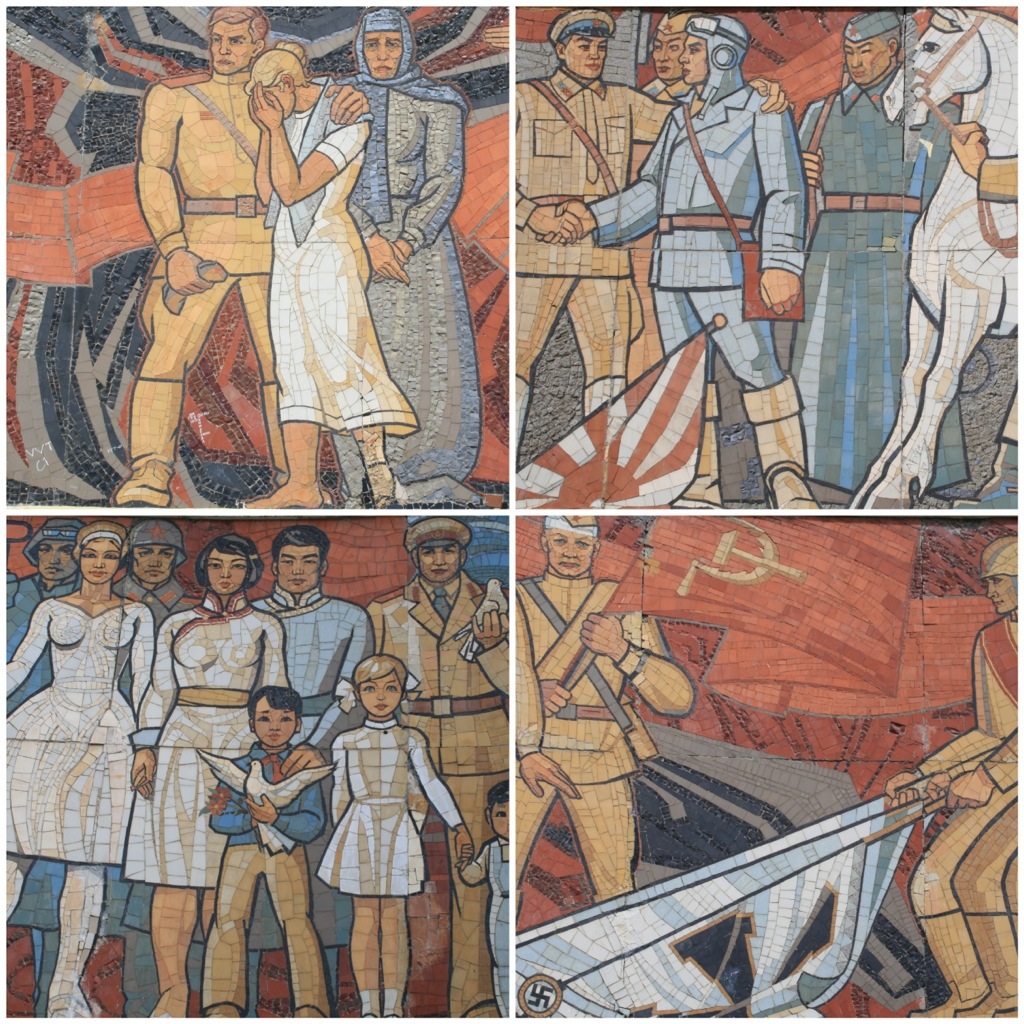
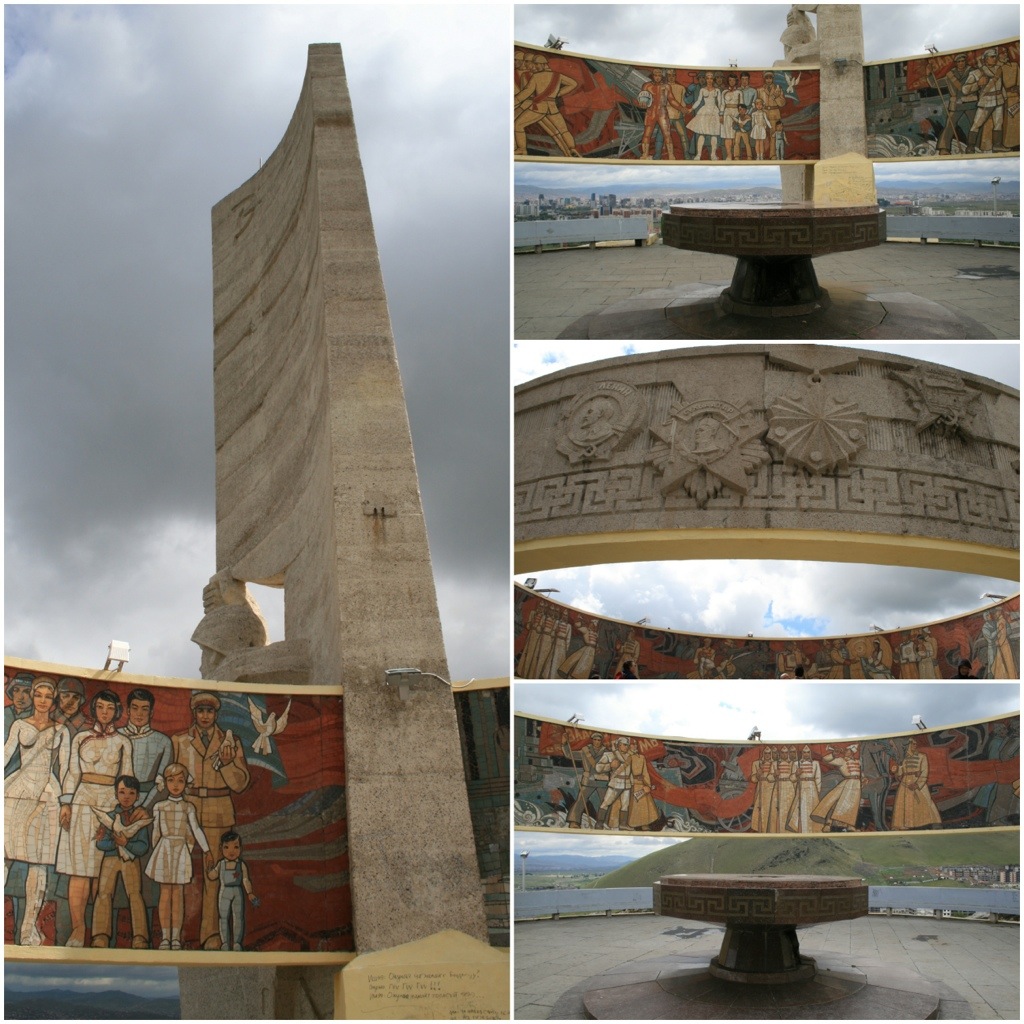
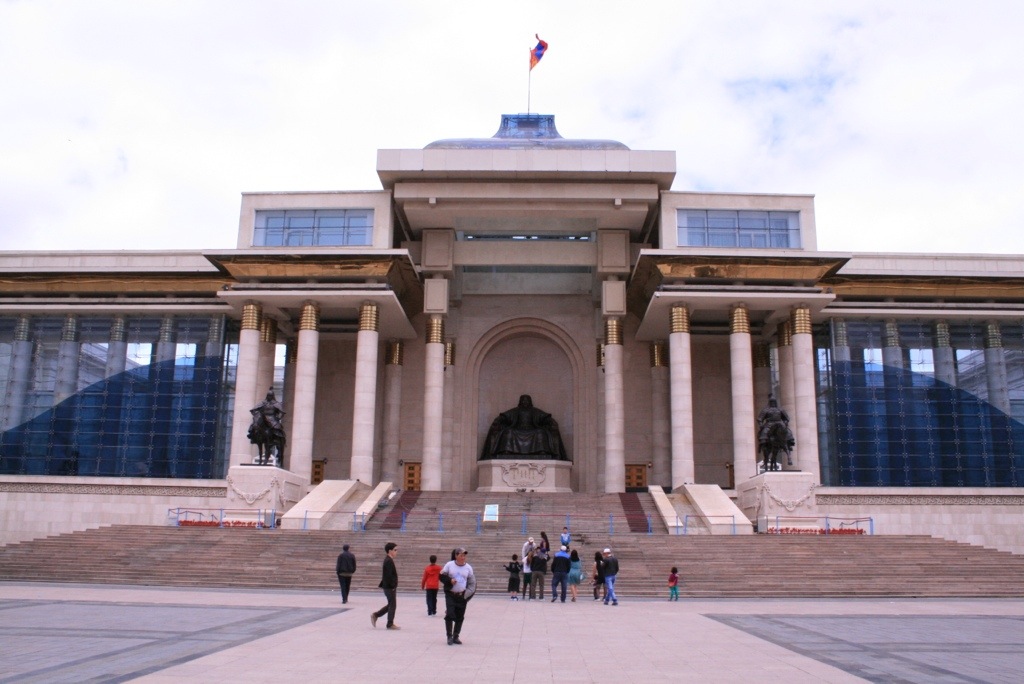
Scott : We then headed to the Zaisan viewing monument on a hill overlooking the city. I had been then 11 yrs ago, so it was fascinating to come back to see the massive redevelopment that has taken over Ulaanbaatar; huge apartment blocks with the occasional traditional Ger in the backyard. The monument had massive soviet style mosaics and sculptures to celebrate the ‘friendship’ that use to exist between the countries, and to commemorate ‘unknown soldiers and heroes’.
Emily : After been blasted by the wind, we headed to a Cashmere factory. We were able to see the wool being washed, then spun down into fine thread and dyed. It was a pity that many of the clothes they made were kind of old fashioned, cos the wool is sooo nice and soft! We quickly stopped at the supermarket before heading out of town to our first Ger camp!
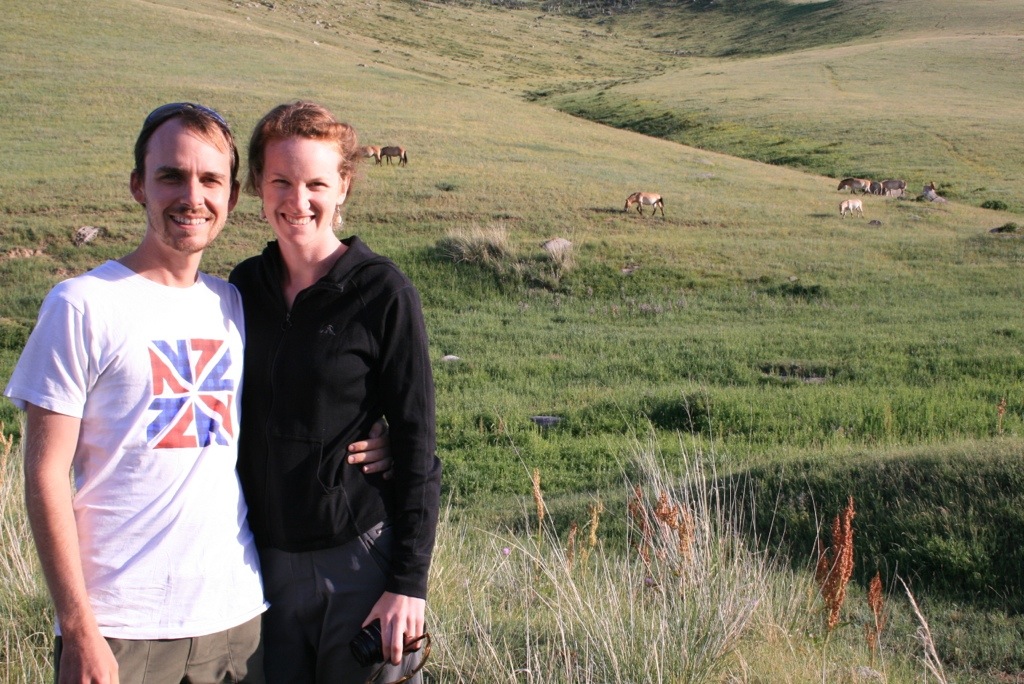
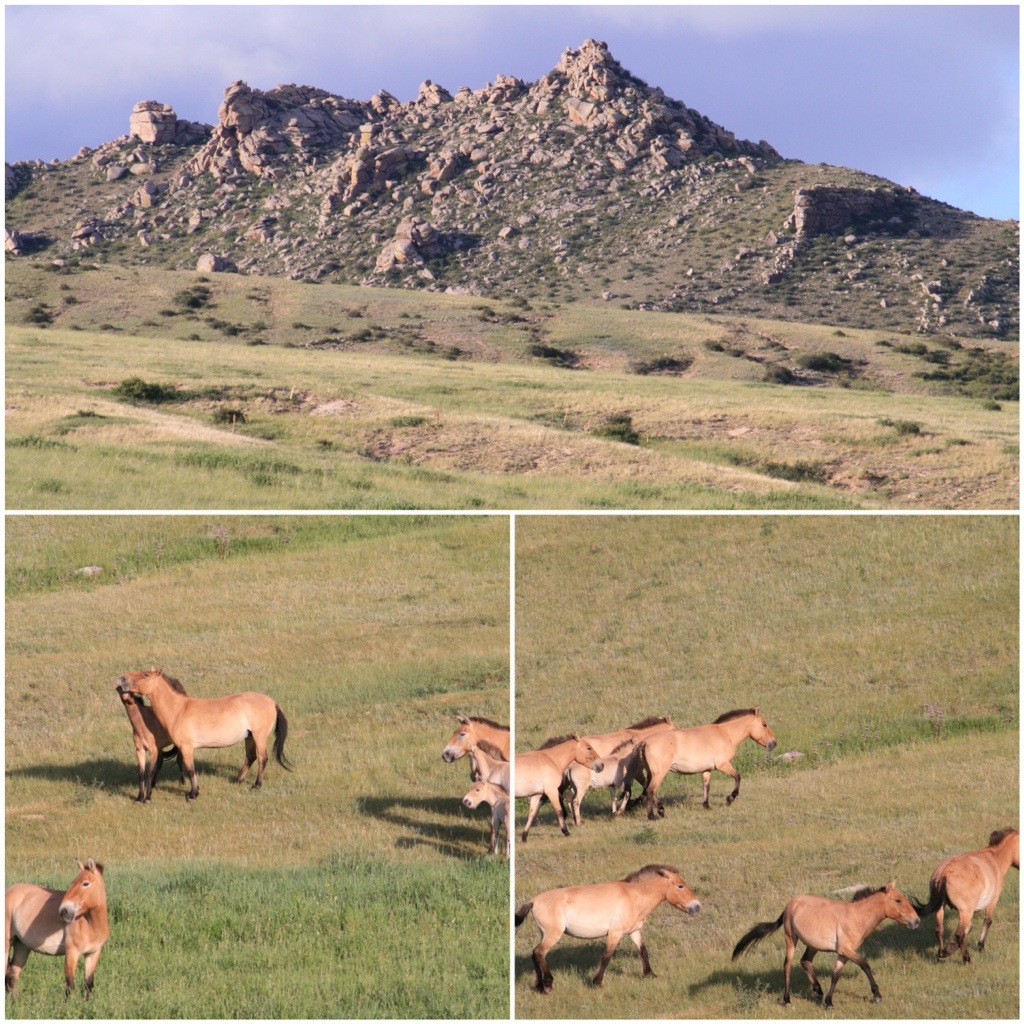
We stayed in Hustai National Park, famous for the reintroduction of Mongolian’s national symbol, the Przewalski horses, which became extinct in the wild in the 1960’s, and only survived due to breeding programmes overseas. The first horses were reintroduced in 1993 and over 220 horses have been released to the wild.
We were lucky to see a herd of about 20 wild horses about 100m away from us with a couple of foals. They’re stockier than horses we’re use to, a bit smaller, and the hair on their neck stands straight up, it was amazing seeing them running free up and down the hills , and drinking from water holes and living in their natural surroundings.
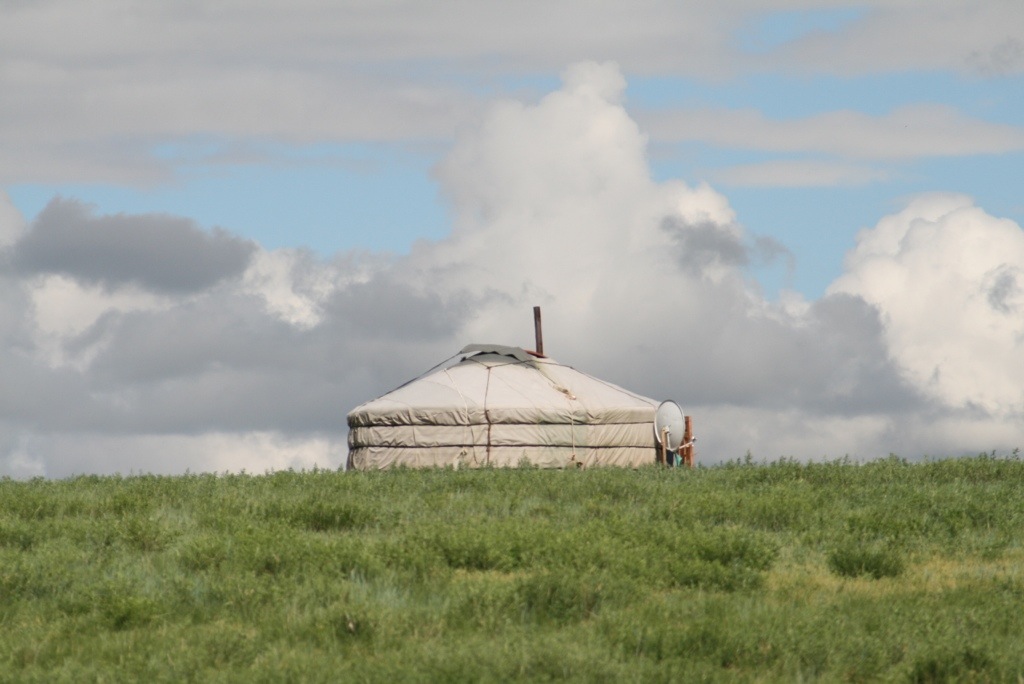
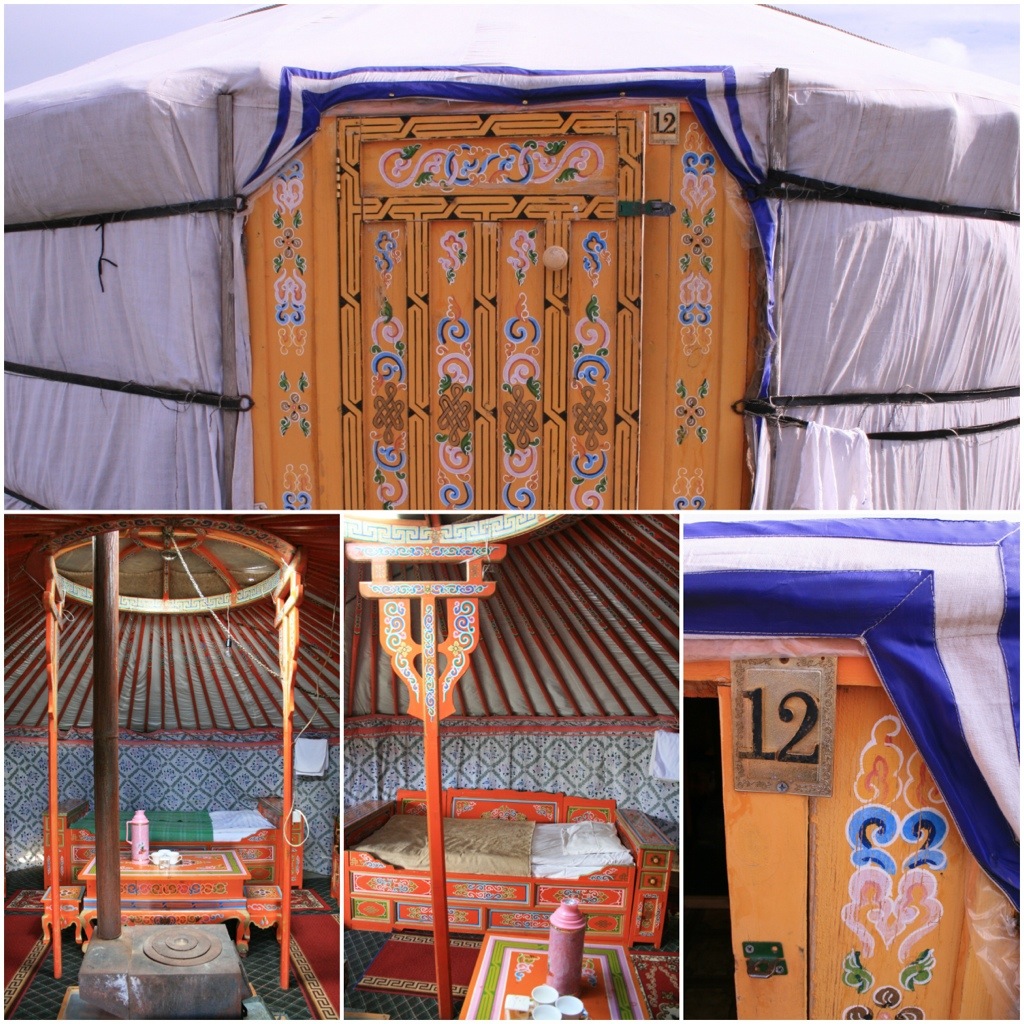
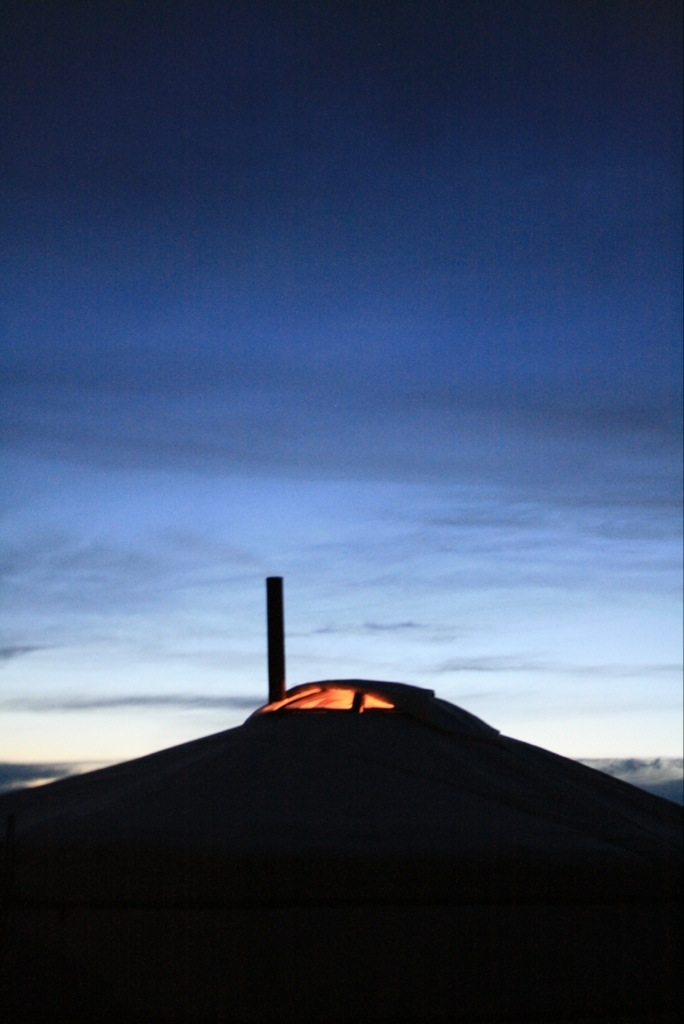
The Ger camp was a bit touristy, but it helps the horse conservation project so we didn’t mind to much. The Ger was fun, its like a small round marquee, with 3 beds in it, and a small wood fire stove in the centre that is lit at night for heat – then its like a sauna! It actually got quite cold so most of us had our fires lit. The two main rules of the ger are you’re not allowed to step on the threshold on the front door and you’re not allowed to walk between the two poles in the centre of the ger. The ger’s are used by the nomads, of which there are still plenty around and visible, and we also noticed as an additional building to houses on private property’s. They take about 8 hours to put up!
We drove another four hours they following day to another ger camp, with a stop along the way at a smaller Nadaan festival – organised in the lead up to the national Nadaan festival. We got up close to the wrestling and performances whilst enjoying walking amongst horse riders and traditional food stalls. It’s said that this is the real Nadaan experience, as the national festival can get so crowded. After many fatty Mongolian dumplings and sitting in the stands with the local elders, we headed on the bumpy road to our next camp.
Our new Ger camp which was set on the small rise overlooking a large plateau – it was stunning! The highlight was visiting a nomad family (grandparents with four grandkids), where we all had snuff, fresh mare’s milk (tasted like salty strong yoghurt), and a hard small biscuit thing. The children were gorgeous, very curious about us and we them! They rounded up the goats for milking, which Scott partook in, and cuddled a small kid (baby goat, not nomadic child!)! They had about 5 camels and a few horses, but mainly goats. It was a great experience to see how a majority of Mongolians still live.
Scott: Awake early we drove to a small section of the Gobi desert to walk amongst the sand dunes. It’s a surreal experience as you go immediately from rolling plains with huge herds of goats and cattle, to Lawrence of Arabia style dunes. We didn’t partake in the camel riding, given the uncomfortable experience we had in morocco 🙂
That afternoon, after many more pot holes, off road driving, and toilet breaks behind the bus, we visited the huge old monastery at Erdene Zuu, with its colourful and attractive architecture. The monastery was the entrance to an old mongolian settlement of Karakorum. It is famous for its 108 pagodas (to form the image of a rosary) which lined the walls, as well as the beautiful Tibetan Buddhist architecture. It has been interesting to see the transition from Christian Europe to Buddhist Central Asia.
Just a few minutes later we were at our last ger camp – lunch at 430 anyone ? The long days were thanks to Mongolia’s roads – some of the worst I have ever been on. Massive pot holes force many to drive off road for kilometres in huge diversions. The massive temperature variations (+30 degree to -30 degree in winter) crack the road every season making it impossible to keep up with maintenance.
Emily : The ger camp was set out on the flat in the middle of a huge plain, which made the sky seem massive and lower than usual. This was made even more spectacular by the dust clouds, then storm clouds and rain sweeping across the plain during sunset. Unfortunately I was stuck in bed with a vomiting bug the rest of the night (which Scotty thankfully dodged), which put a dampener on the visit.
We endured a 9.5 hour bus trip back to Ulaanbaatar the next morning in time for the much anticipated Nadaam festival the following day.





 fourfeettwopackssixmonths