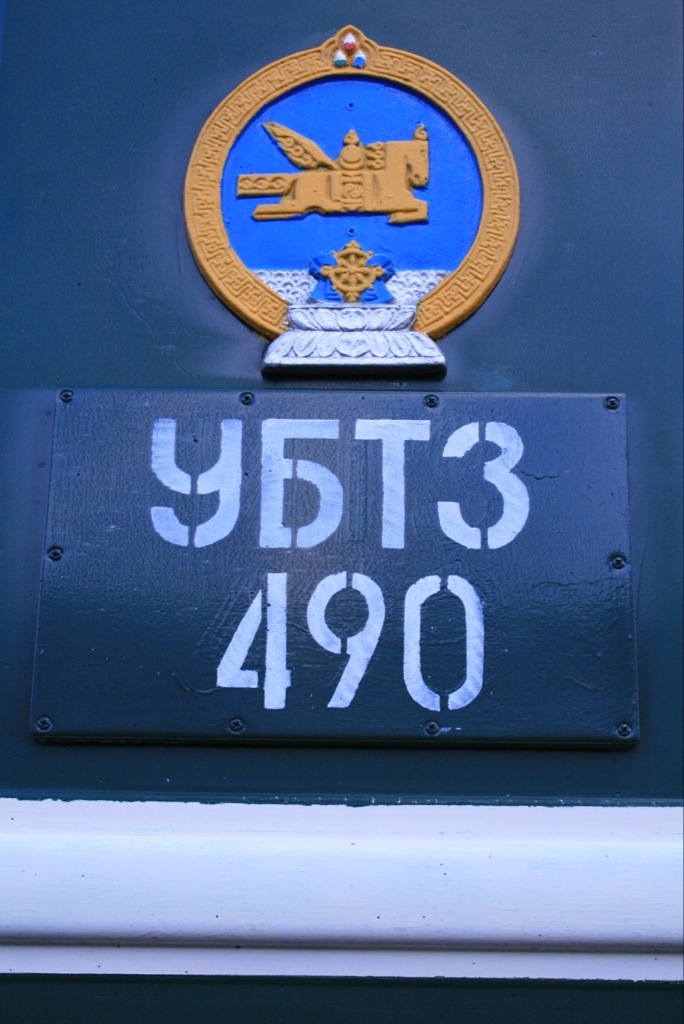
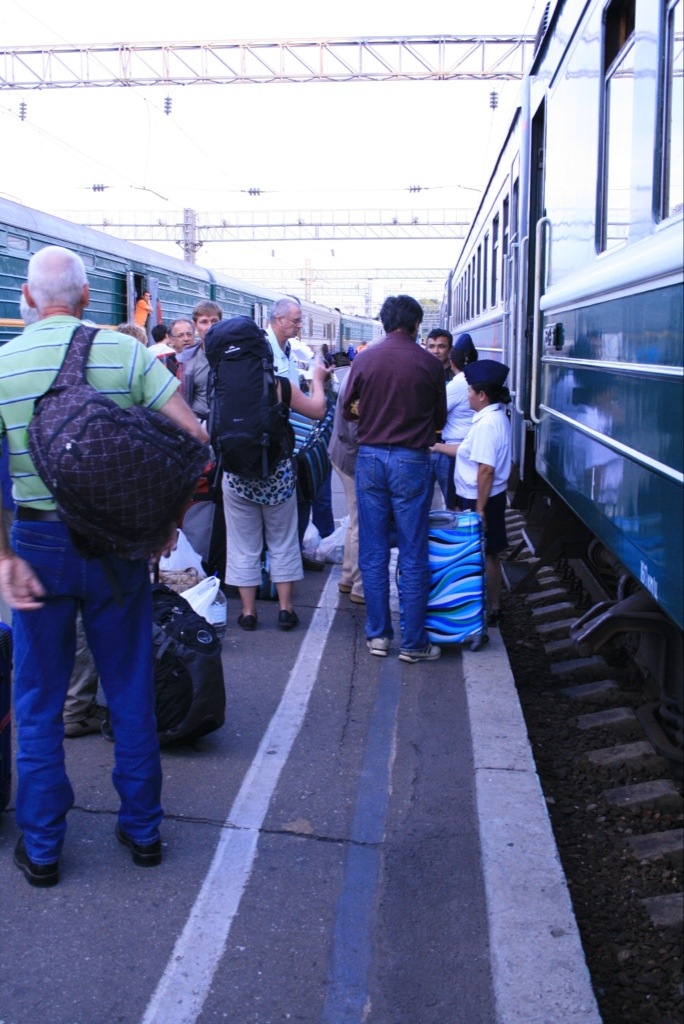
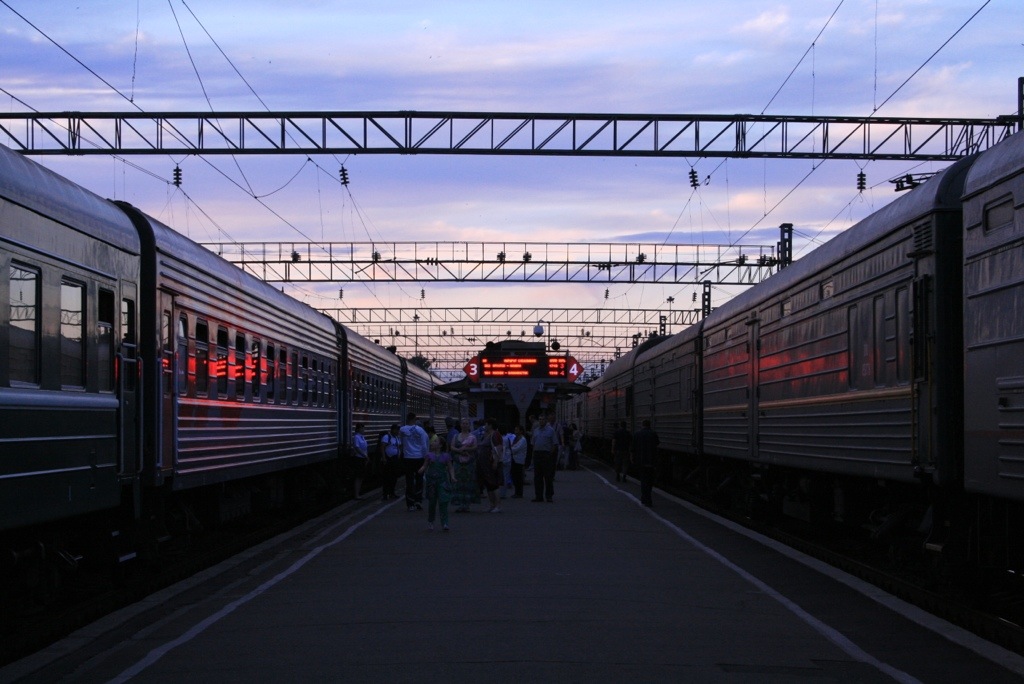
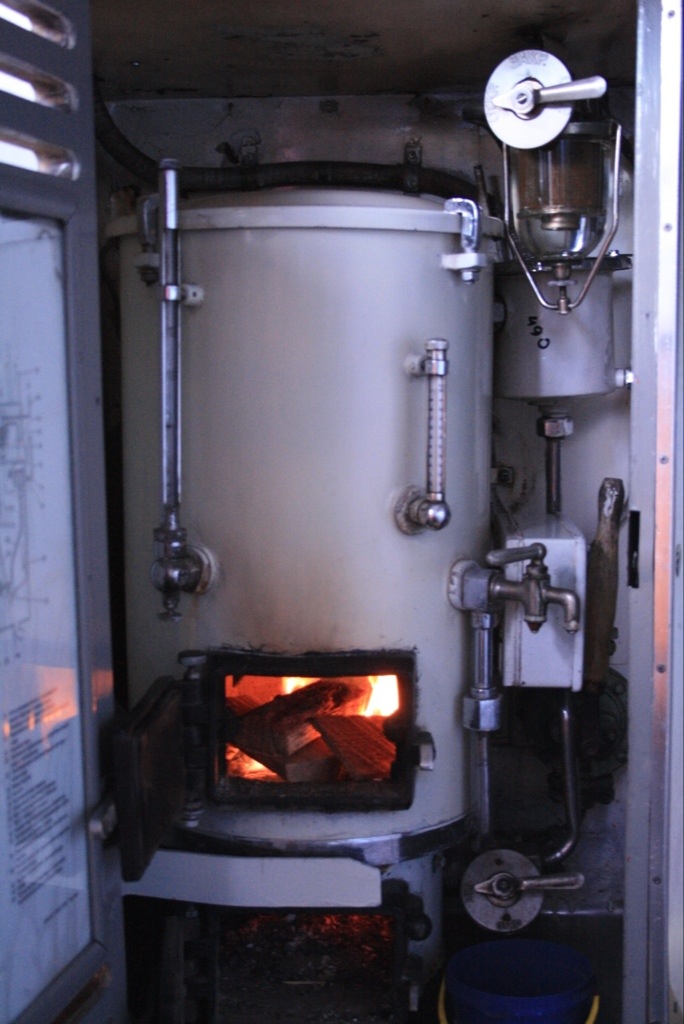
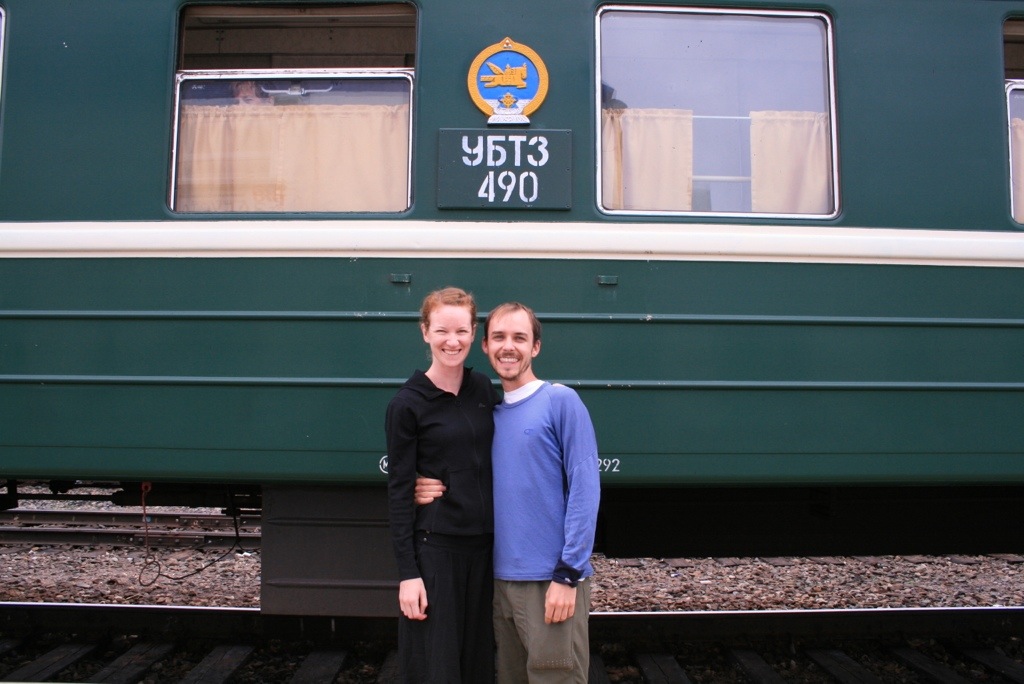
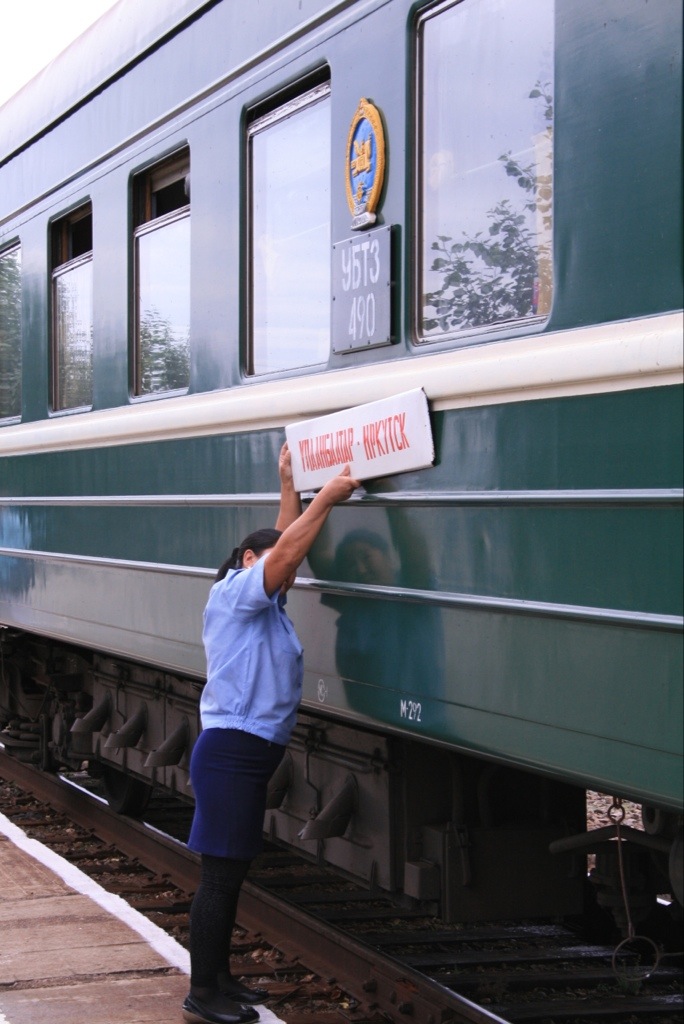
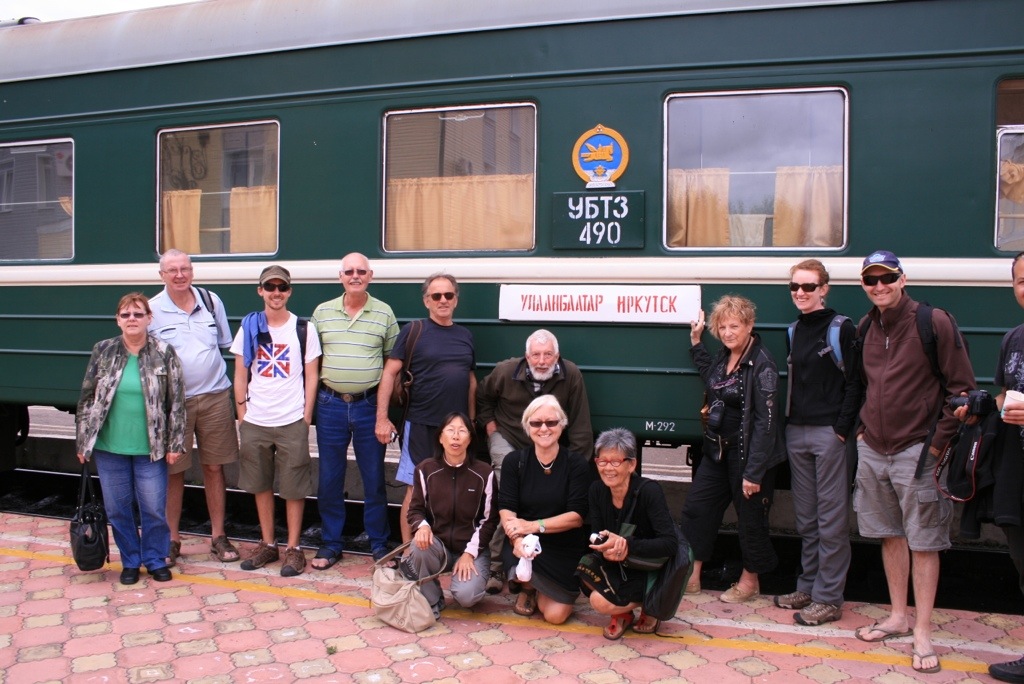
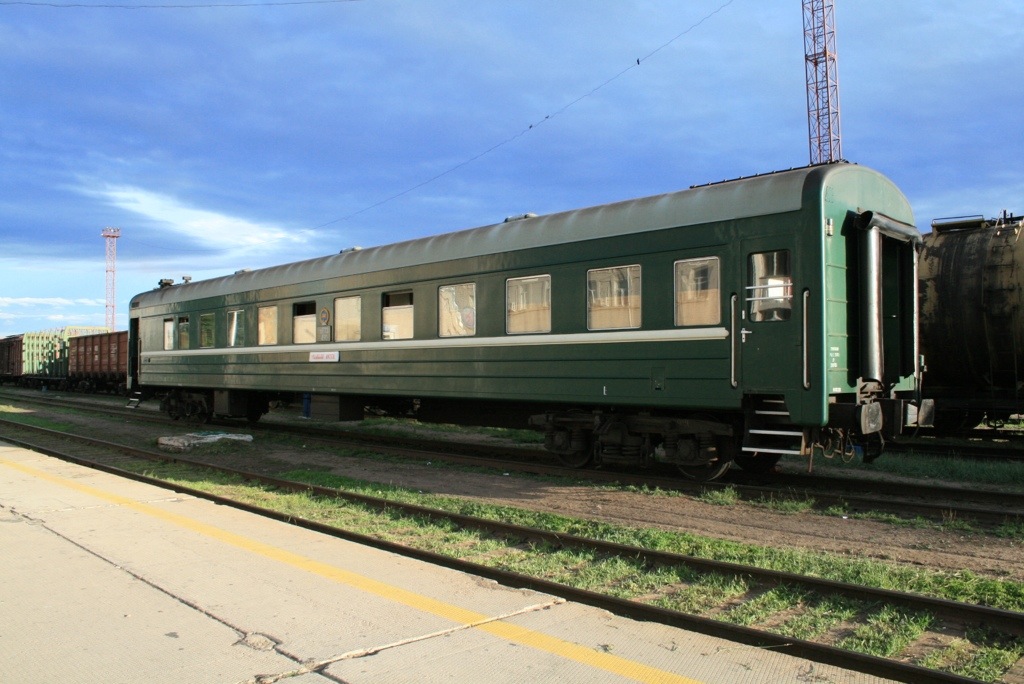
We arrived at Irkutsk train station a little early – time to watch the masses converge for the night trains to various parts of Russia. For this trip we have a Mongolian train, which is a definite change from the abruptness of the Russian carriages. The attendant meets us with a smile and hello, in starke contrast to many Russian welcomes.
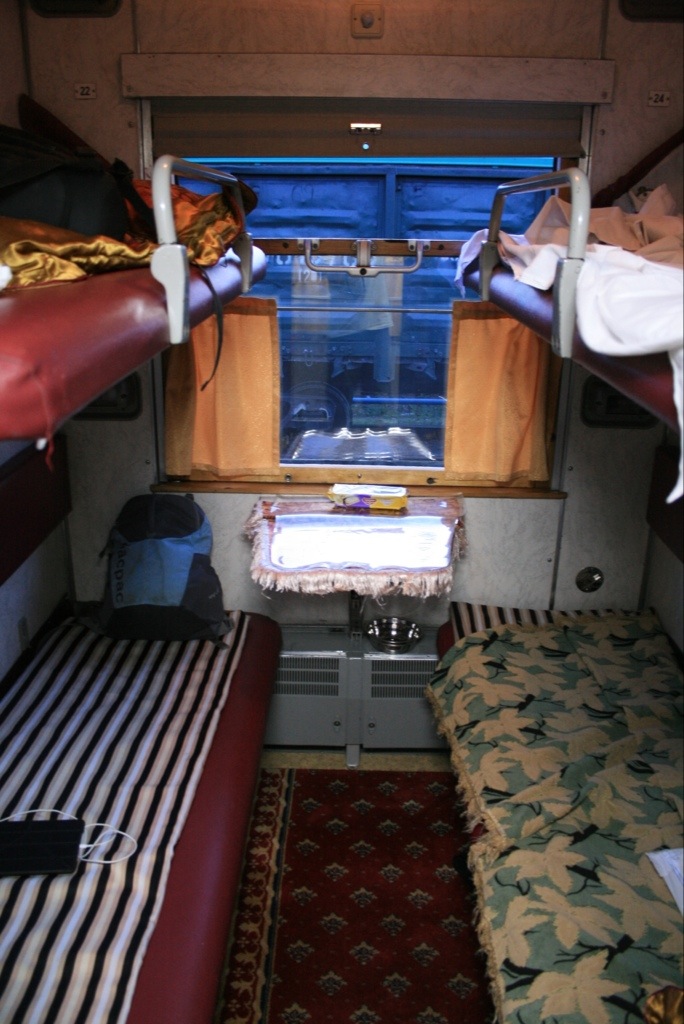
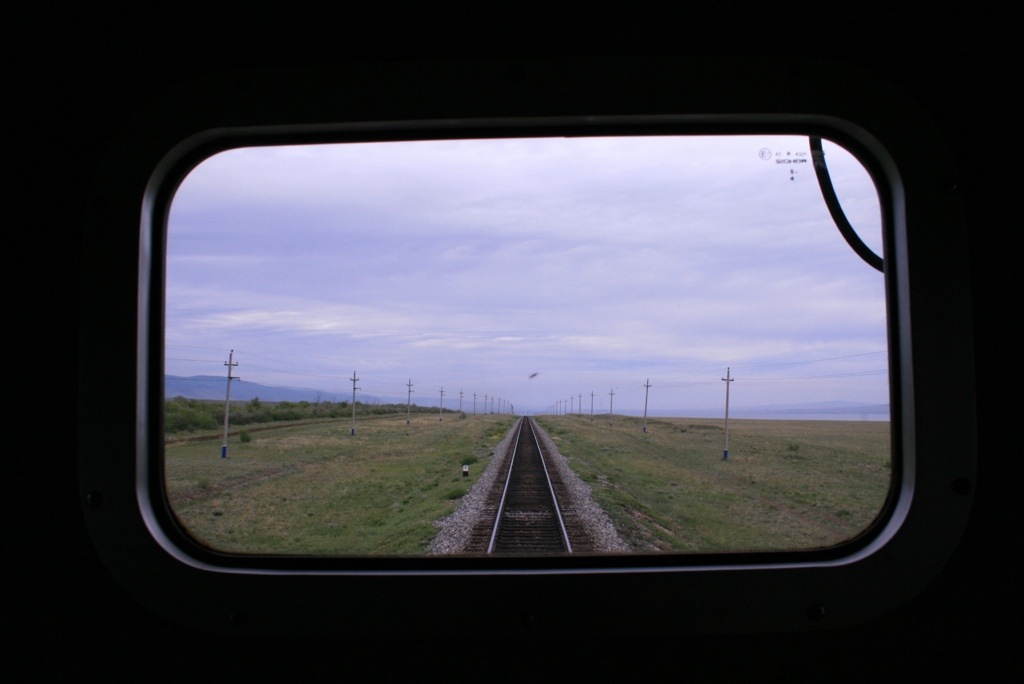
Although the beds are harder, the rooms are noticeably bigger, allowing you to sit up easily on the top bunk. The frilly carpet for a table cloth is a great addition. Emily and I are rooming with our guide and a guy from Japan who is travelling solo. We hoped we didn’t have Mongolian trader, who apparently dominate the carriage with over-sized boxes and have no sense of personal space. We are also on the back of the train which provides a great platform to take photos out the rear window as we leave Russia.
As this is a boarder train, we have no restaurant car therefore everyone has purchased snacks and two minute noodles for dinner. Emily and I enjoyed instant mash potato, ham ‘like product’ on crispy bread with tomato, and cup of soup (which I think is actually stock).
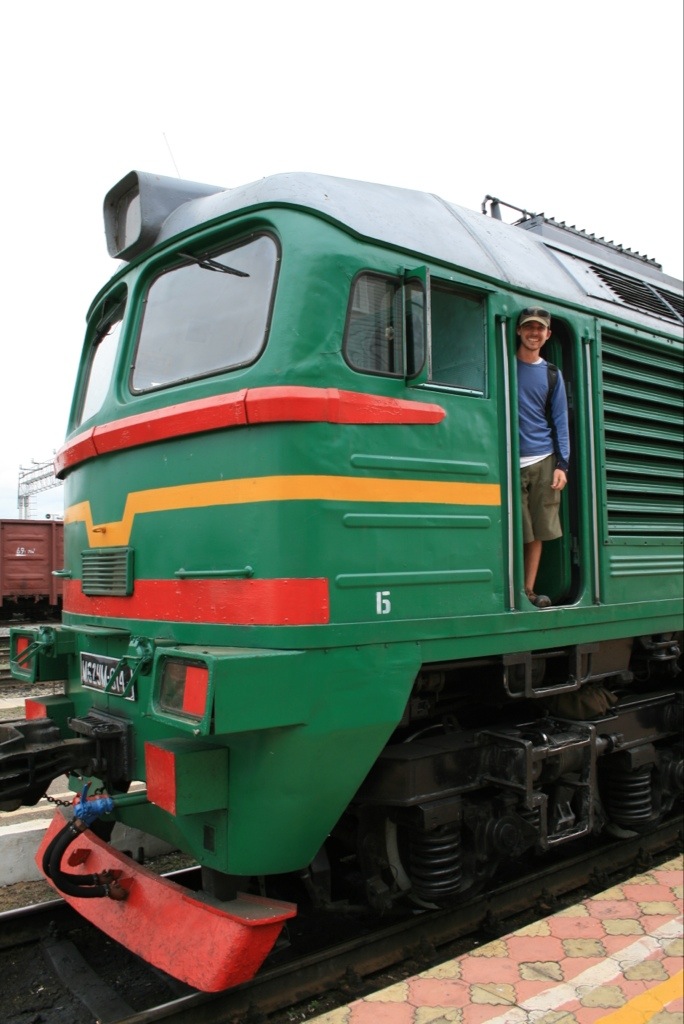
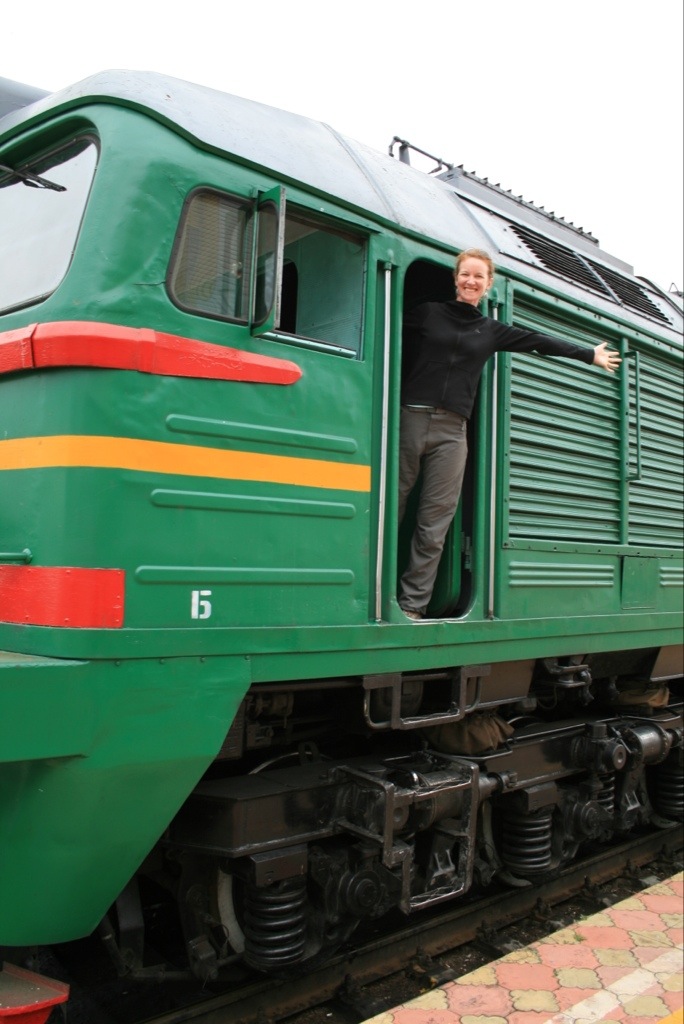
Leaving at night, we were all in bed pretty early and most had a lazy morning reading books, playing cards, and generally grazing on various food snacks. We are a train of two carriages by morning as the others were heading off further east in Russia and have been dropped off during the night. We have also changed from the electric engine, which dominates the other main routes, to a diesel engine overnight – I love the smell of dismal in the morning.
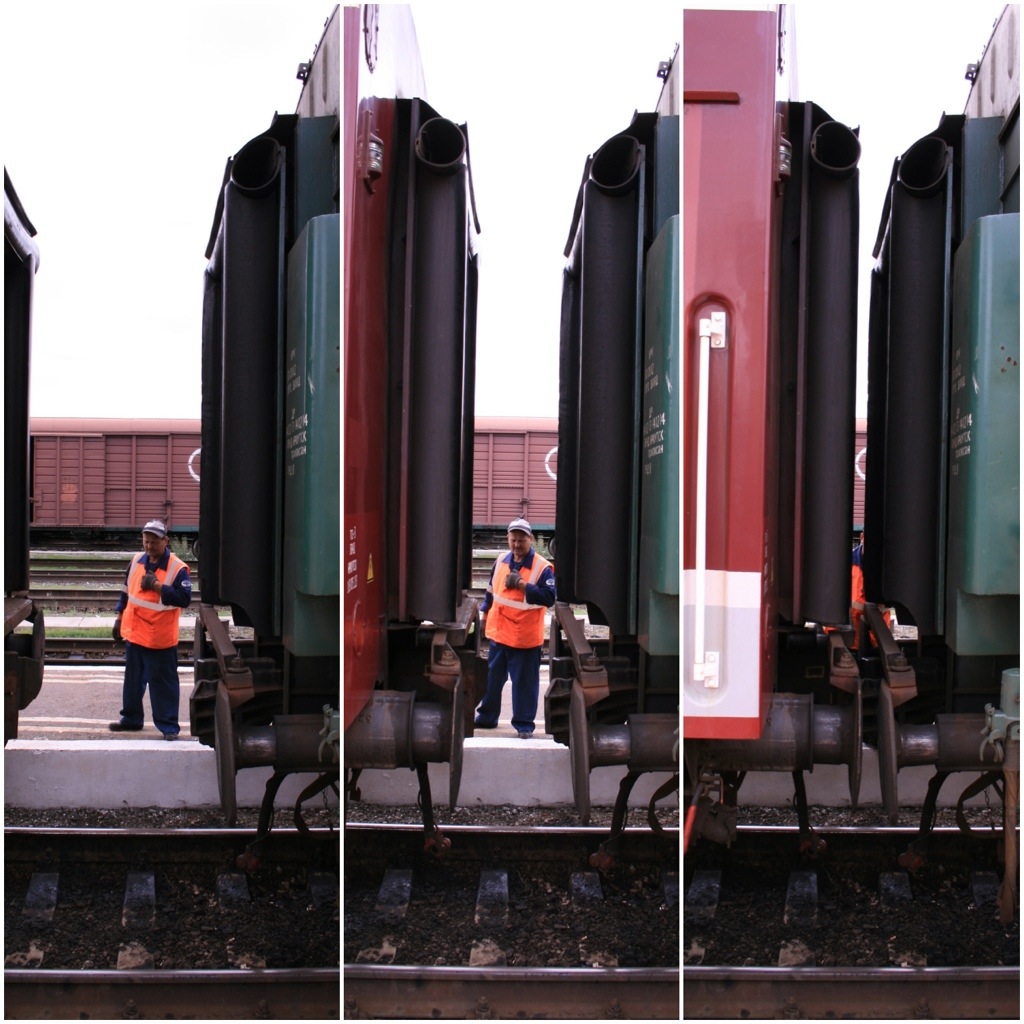
We arrive at the boarder in the afternoon, the crossing being a two part process with a Russian and Mongolian boarder town to navigate. The Russian boarder party come aboard, taking passports and accommodation registration documents (an overly bureaucratic exercise every time you change location in Russia) – Unsurprisingly they’re not very smily and overtly officious. After passports are handed back, we are allowed off the train for two hours as they change various carriages on the train, shunting it back and forth like a massive jigsaw.
We witnessed the loading of Russian prisoners to the jail car; heads shaven, handcuffed together they are lead towards a sinister looking rail carriage devoid of many windows, with heavy set bars and armoured guards. An Asian tourist took the opportunity to take photos, before being accosted by a disgruntled Russian policeman – not a ideal situation.
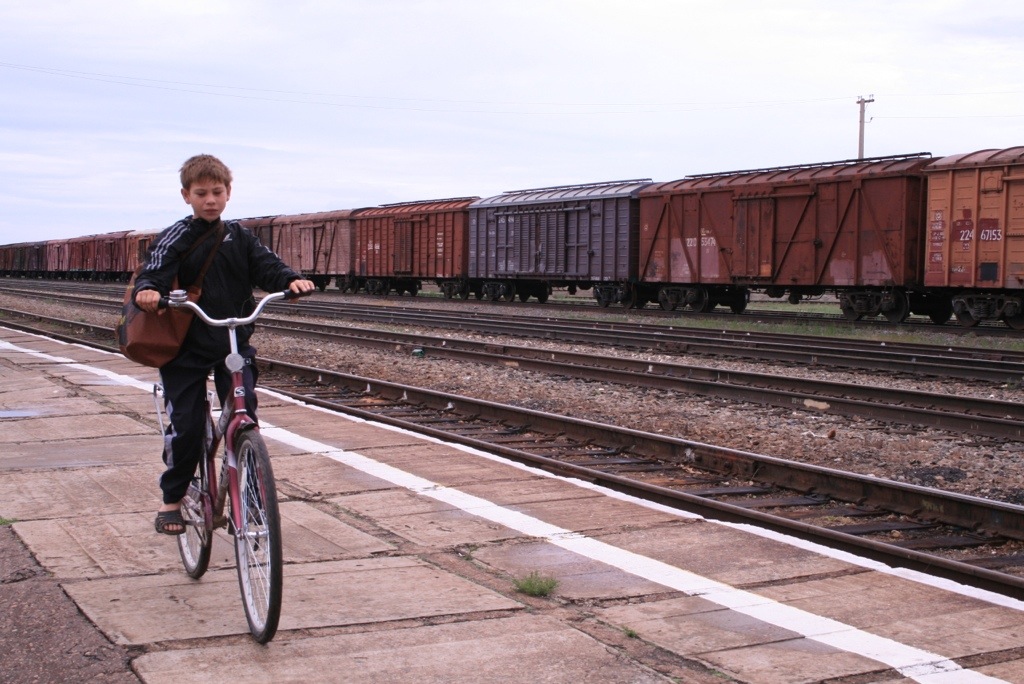
Using our last roubles (russian currency being virtually worthless outside the country) we grabbed an ice cream to complete our picnic on a park bench. It’s a weird and funny sight seeing our carriage sit alone on the tracks; it seems not many people are travelling south!
A few hours later we are on our way, rolling slowly through no mans land; lined within barbed wire and lookout posts.
The Mongolian boarder is much the same, however the white European dominated ethinic mix is replaced with the friendly wide smiles of Mongolians. Currency exchangers crowd the platform making it easy to negotiate a better rate for our Euro’s. With a NZ dollar = 1140 turg, and the smallest note being a 10 turg, 20 euros ends up being a massive wad of notes…we feel rich!!! (If only!)
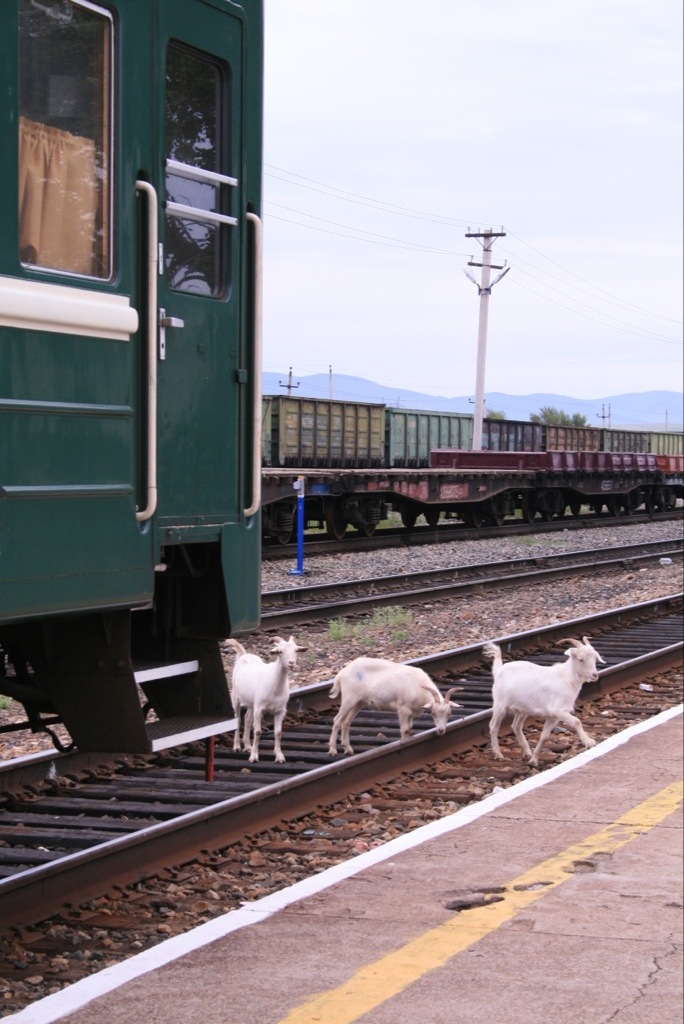
The change in the scenery is amazing as we cross the boarder. Peat bogs and birch forests are replaced by rolling hills, white traditional Mongolian ger tents dotting the valleys. Huge herds of goats and horses surround the river beds. This country is massive and the sky seems huge!
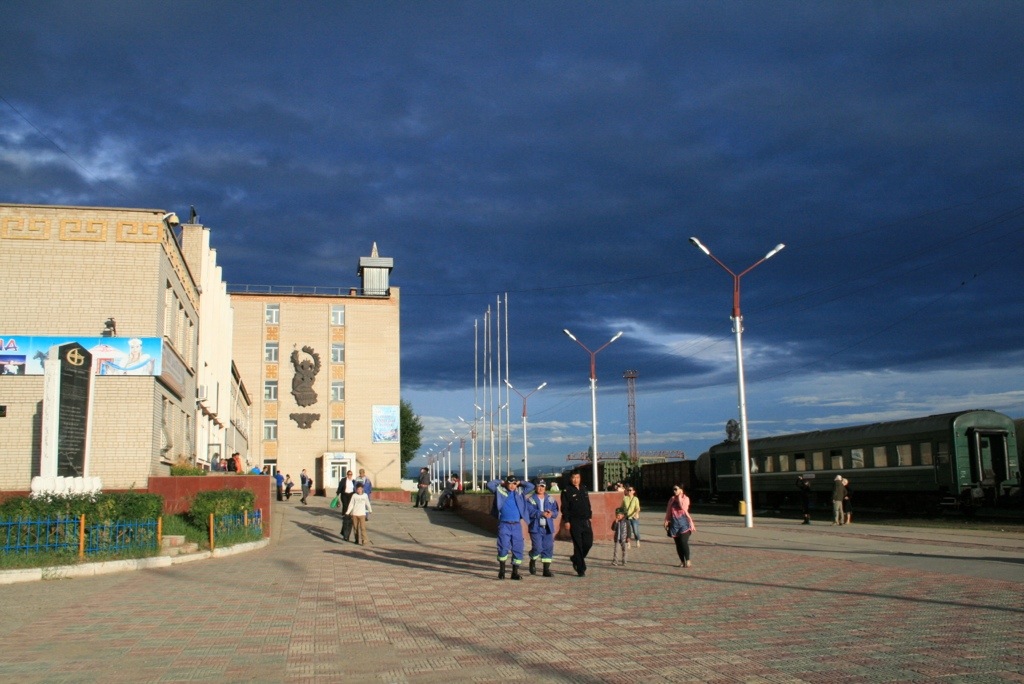
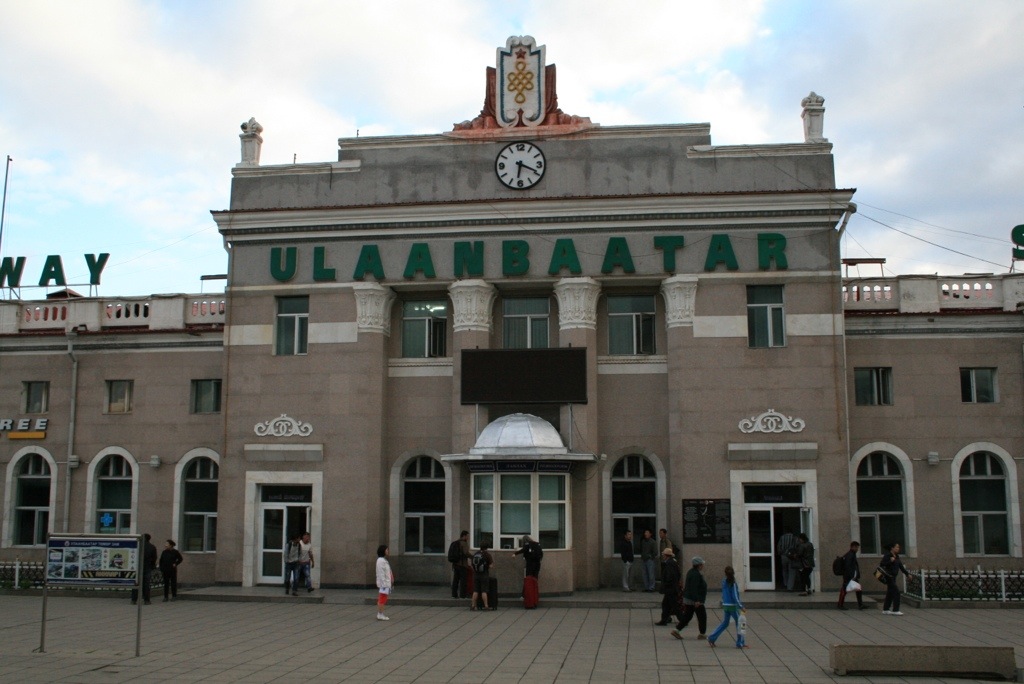
It’s an early wake up at 5.30am by our carriage attendant as we rumble into Ulaanbaatar. It’s an eerie feeling returning here 11 years after I visited whilst in high school, backpacking for the first time with two other friends. The change is evident even as we see outskirts – urban sprawl clearly evident. It would be interesting to go back to the charity and hospital we volunteered at – something which encouraged me to go to medical school.
The sunrise is amazing against the green hills and approaching storm – the white ger’s mixed in with huge dilapidated soviet apartments.
The 2 days on the train went in a blur – were getting use to train life.
Welcome to Mongolia ! Bring on the Nadaan festival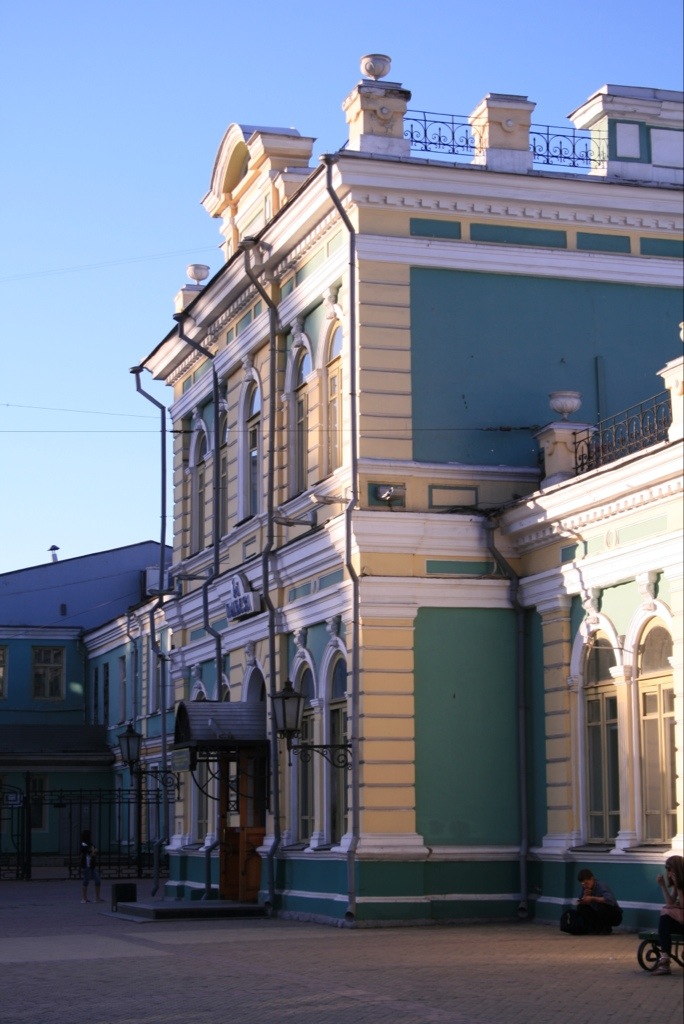







 fourfeettwopackssixmonths