The following day we dedicated to visiting the DMZ – Demilitarised Zone, named by the Americans during the war. It’s a strip of no man’s land 5km either side of the Ben Hai River which separated North and South Vietnam leading up to the end of the war in 1975. Ironically for a demilitarised zone, it was one of the most fortified areas in the world. We decided to spend a little extra and book on a private tour, given the large distances which needed to be covered, and since we didn’t want to be one of 40 being herded round the area. This meant a private car and a local guide, who turned out to be a Vietnamese veteran who had worked as a Translator for various American intelligence units.
Fortunately for us, we had booked this tour as both of us had a bad stomach bug the night before which left us pretty tired, and the temperature topped out at 36 degrees.
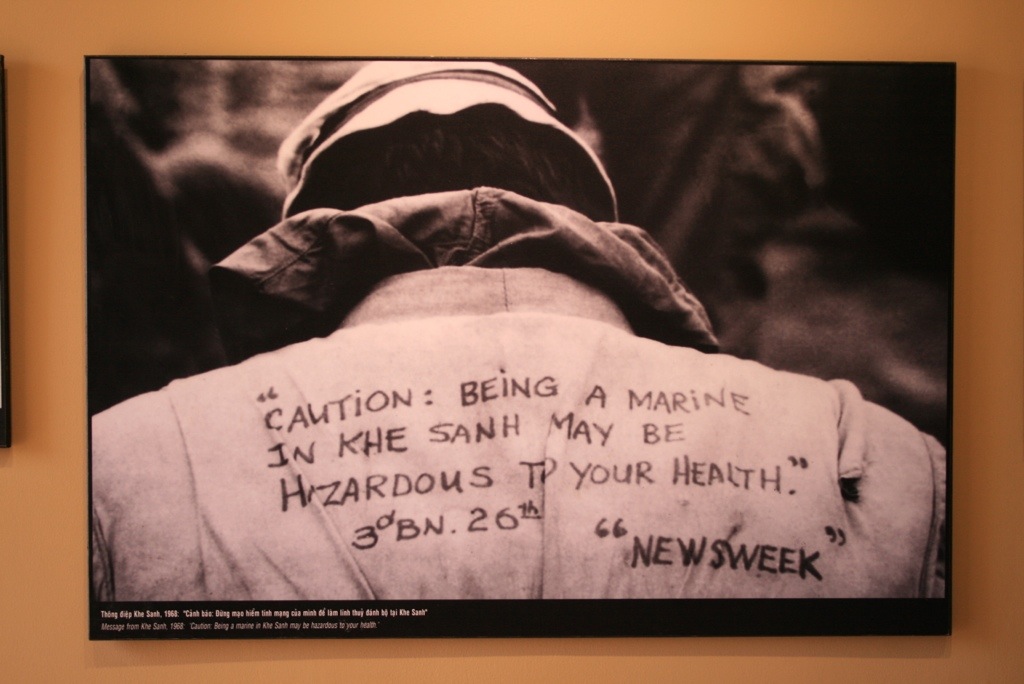
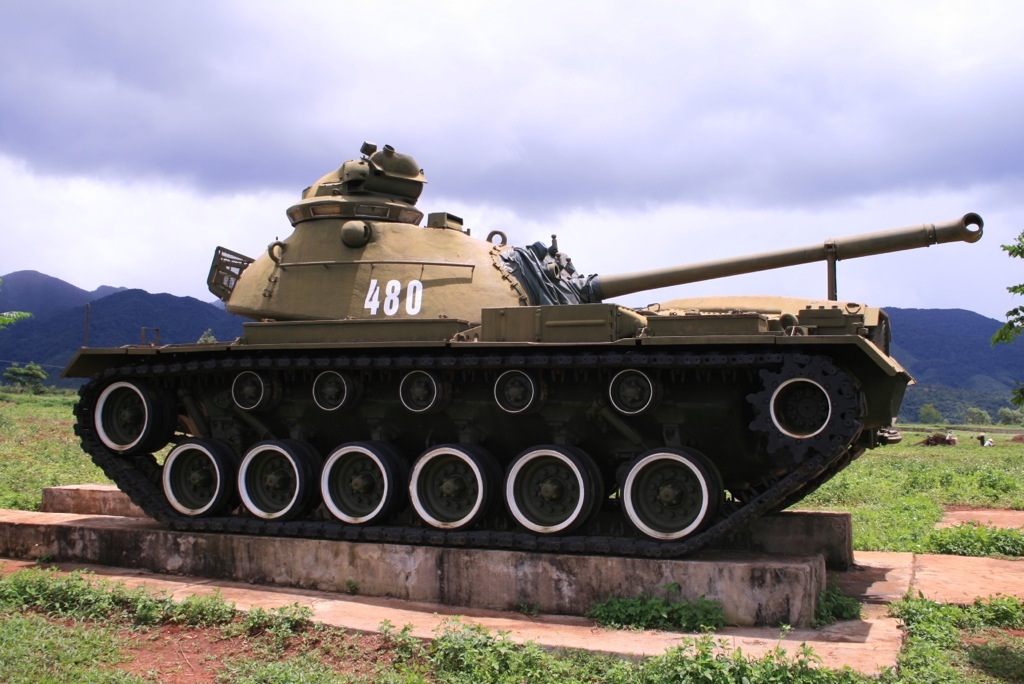
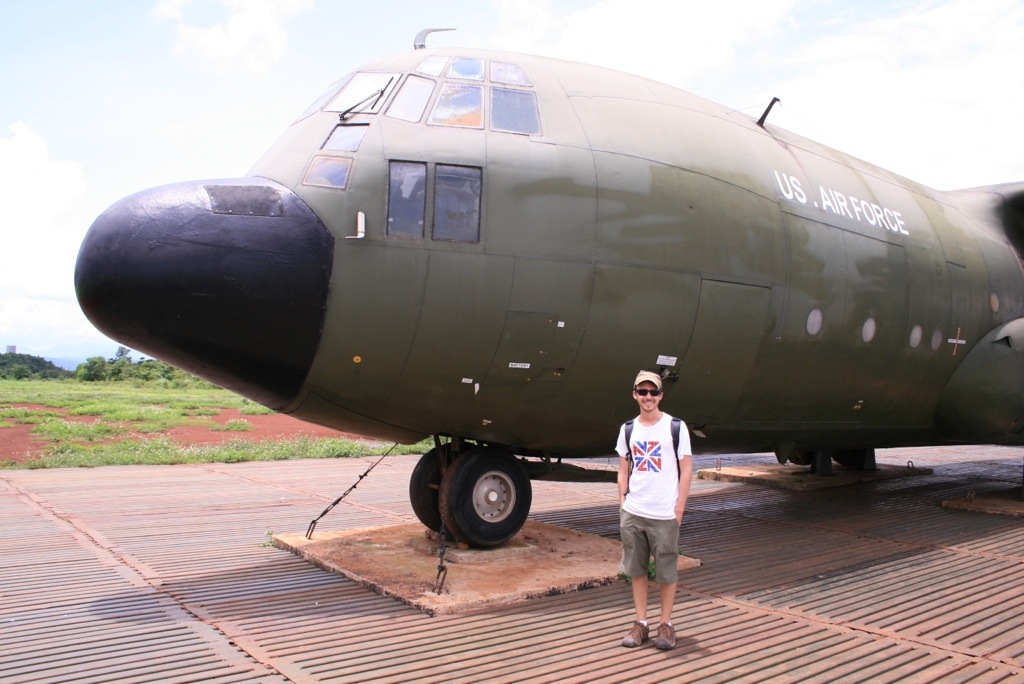
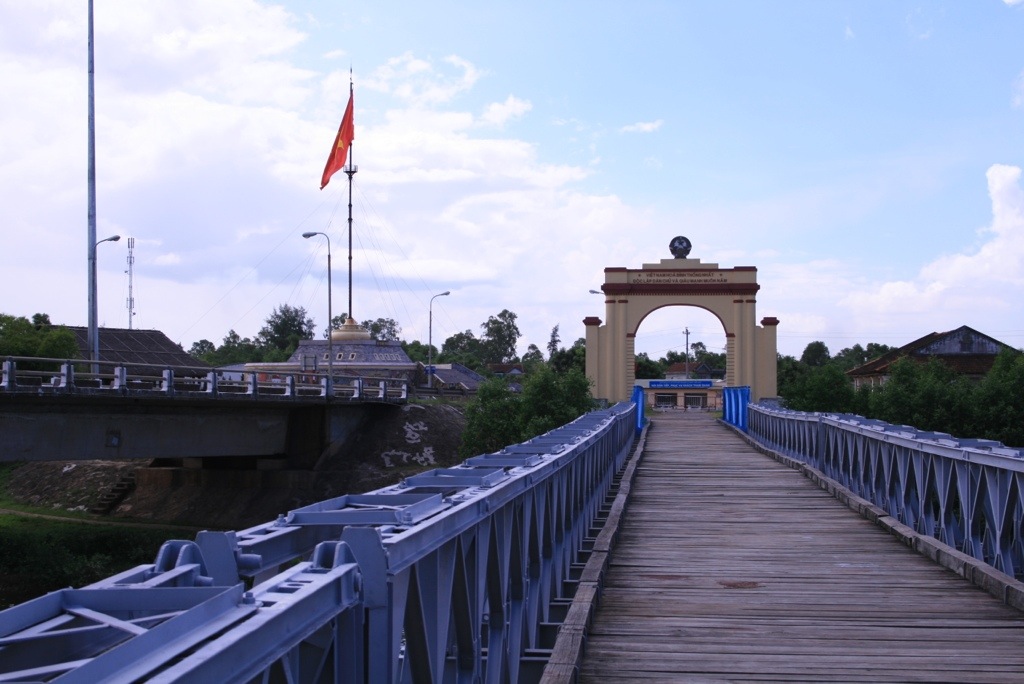
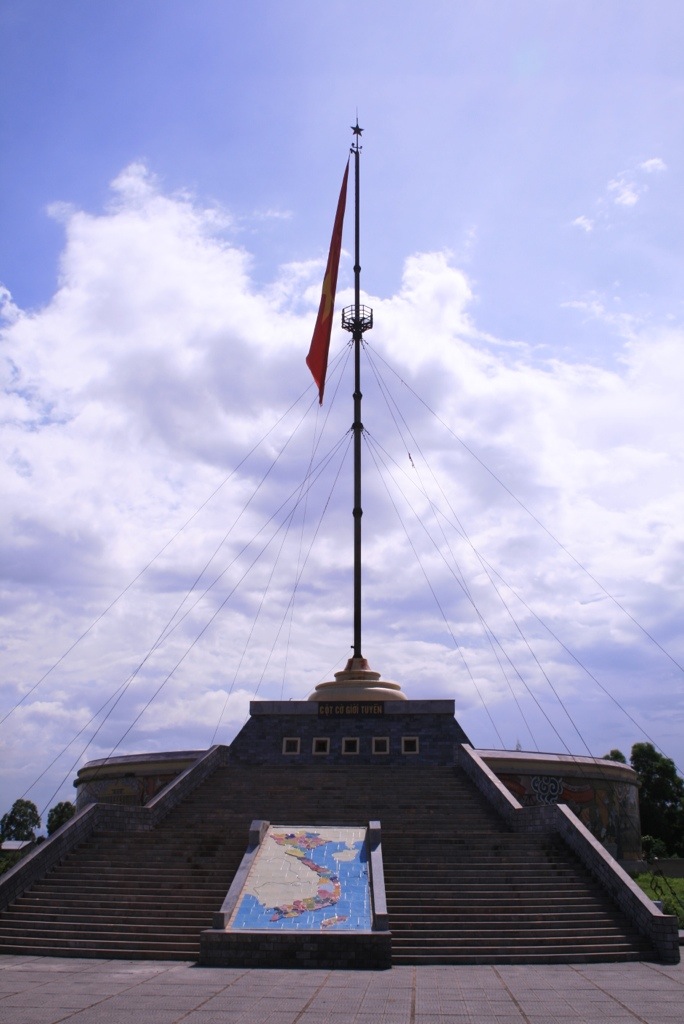
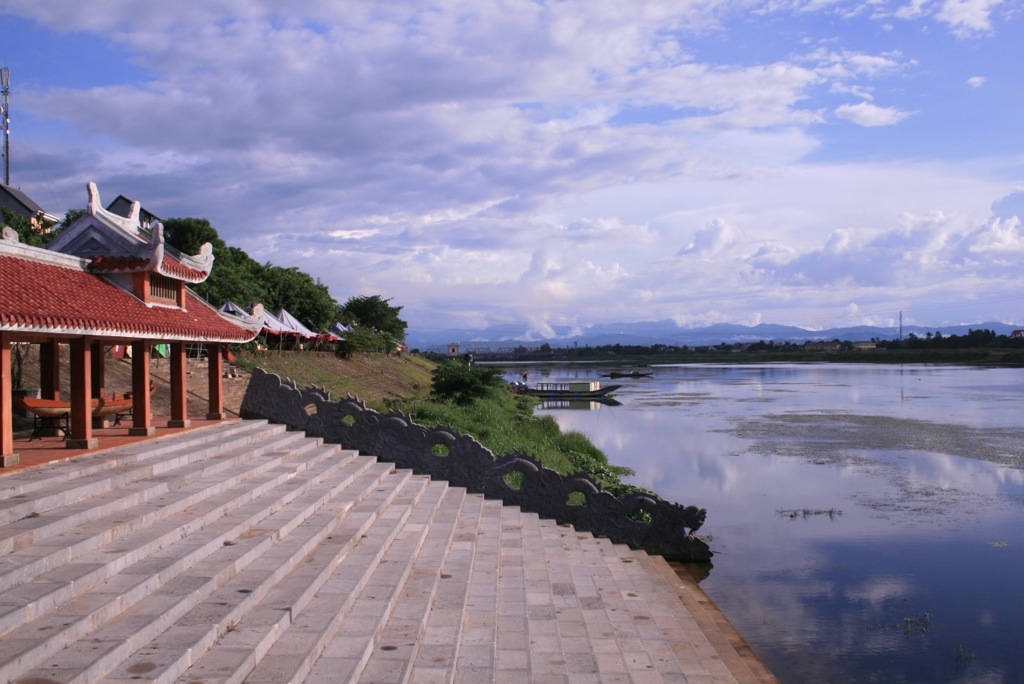
We speed north through Dong Ha, and then into Highway 9, a major arterial road in Vietnam which passes into Laos and then into northern Thailand. We passed the ‘ Rock Pile’, essentially a massive 230m high mound which served as an artillery position for the US, only accessible by helicopter. We then headed to Khe Sanh combat base, the sight of one of the biggest battles in the war. It’s small museum, a huge propaganda memorial for the north Vietnamese; the large american aircraft still parked on remnants of the run way. We then headed to the Ben Hai river at the 17th parallel; the demarcation line between north and south Vietnam. It’s reconstructed UN meeting house and massive Vietnamese flag post were a little eerie; Russian inspired mosaic propaganda and loud speaker systems still standing from the war.
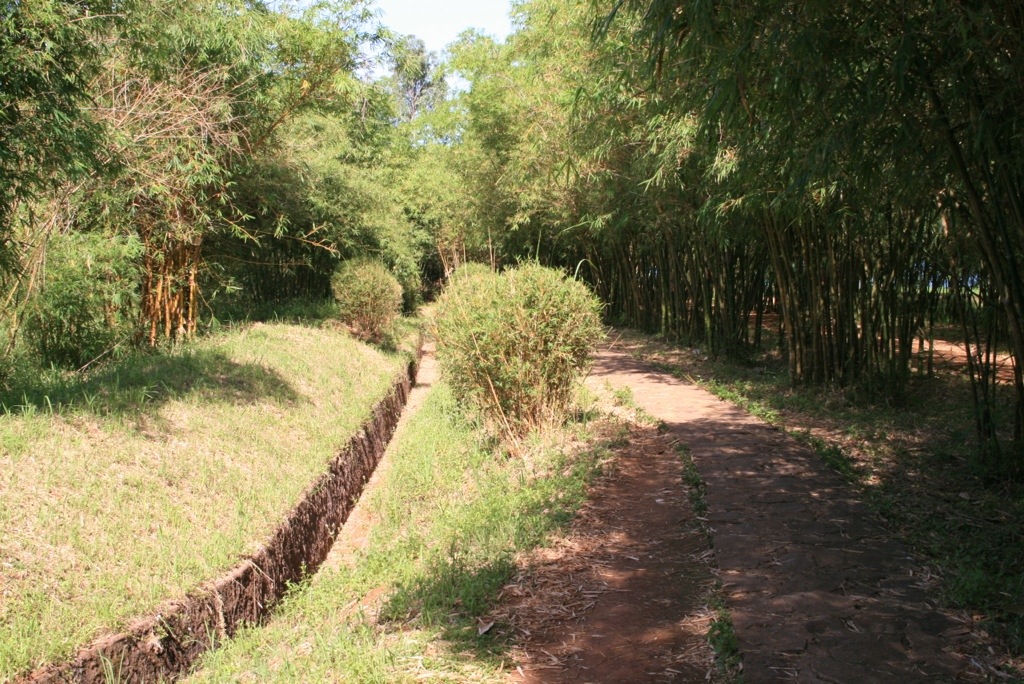
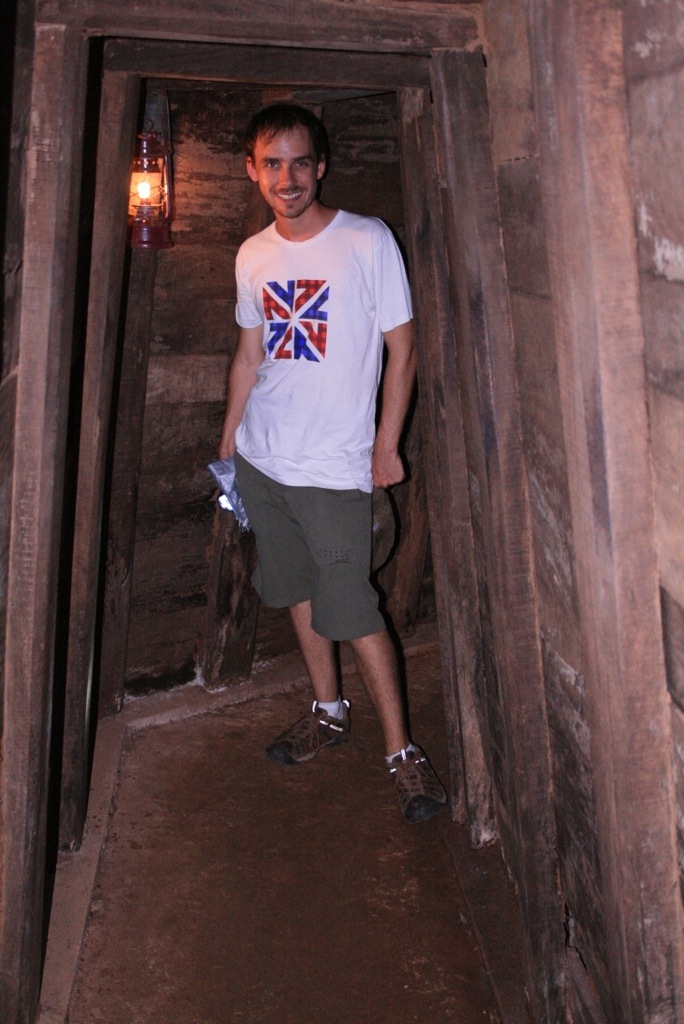
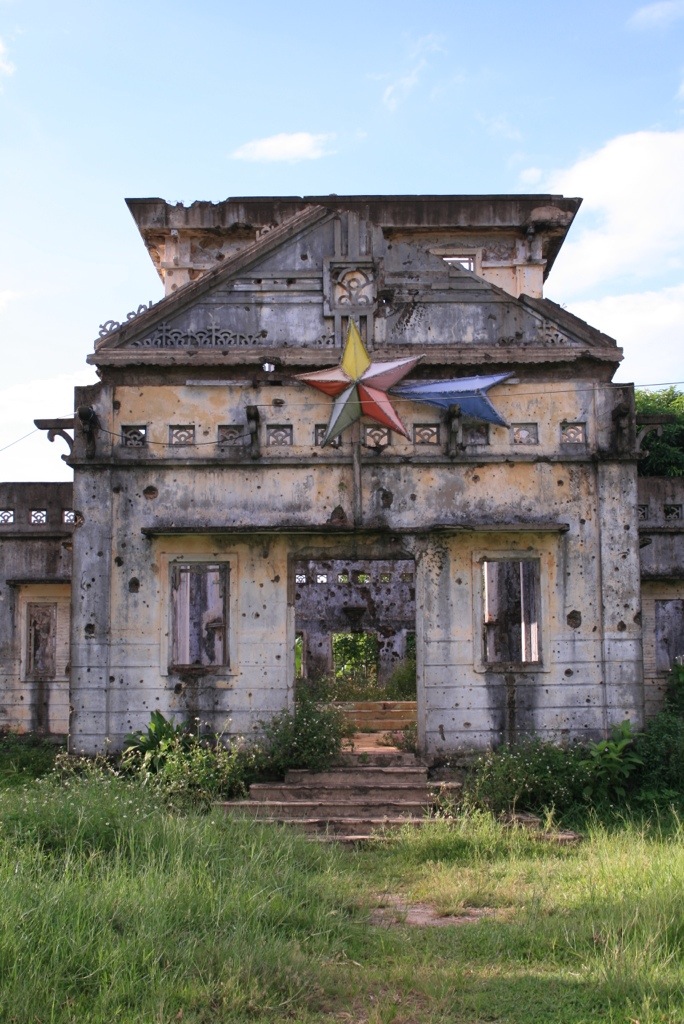
In the afternoon we finally headed to the Vinh Moc tunnels, effectively the remains of a coastal Vietnamese village who had hand dug a huge underground complex in response to continued American bombardment. Three levels of tunnels meant the compound was huge – pretty chostrophobic despite the cooler temperatures. The tunnels leading out to the beach were the most impressive – beautiful white sand of the South China Sea; the small basket boats bobbing near the beach. After the tunnel visit we headed home, passing several notable buildings and bridges damaged during the war.
Our guide was initially good at explaining how the various sites fitted in with the history of the war. However as the afternoon went on, he recounted the same facts, which became increasingly tiresome. Despite this, we were still happy to have picked up the private tour – nice car with the freedom to pick and choose where we went. It was a fascinating day, a glimpse into the past and a chance to see some if the areas that had defined the Vietnam war.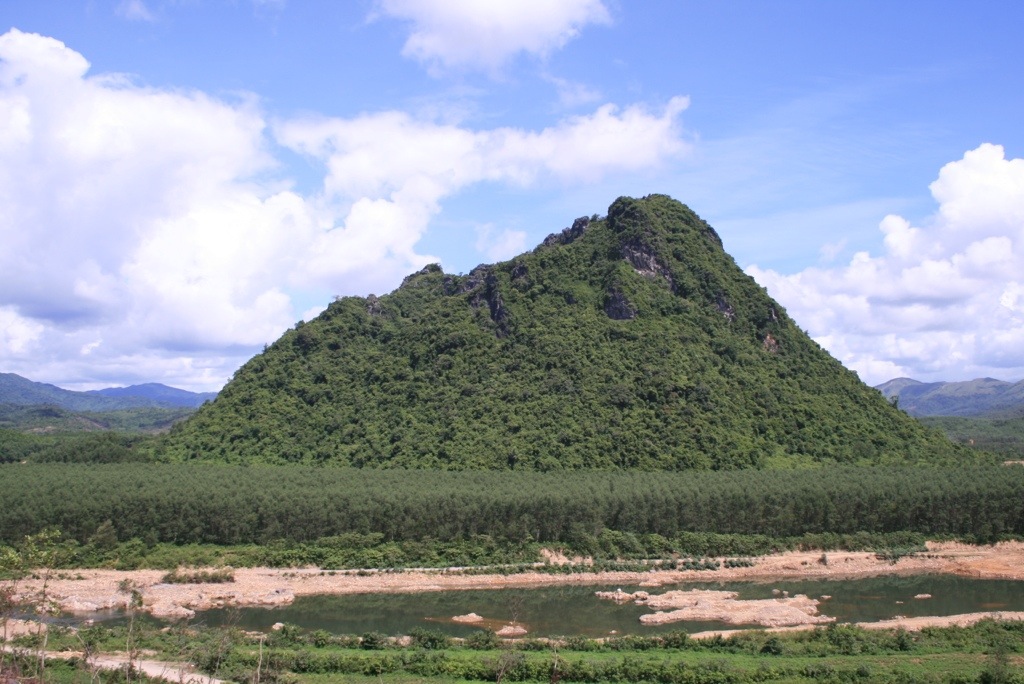







 fourfeettwopackssixmonths