Catching the 6am bus to Mostar, Bosnia, from Split meant we only had a 3.5 hour journey instead of 7.5hours if you took later buses. We climbed high up the side of the mountains while weaving down the Dalmatian coastline, the views were absolutely stunning with huge long drop off’s from the edge of the road to the sea below – it was at this time I wished we had our own vehicle so we could stop Tom get some photos. We headed inland, and entered Bosnia and Hercegovina at about the halfway mark. At border control we stayed on the bus while the bus driver just took our passports to a small building where they were stamped. We drove about 100m up the road and the process was repeated for our entry into the country. Quite funny as we could’ve been anyone using someone’s else’s passport – but it was quick so all good! Our bus driver passed his time by lighting a cigarette every 30min followed by a deep productive cough requiring him to open the window and clear his mouth – I don’t think they have any idea about the link between lung disease and smoking, Everyone smokes here, you don’t have a choice – 2nd hand smoke cannot be avoided unless you lock yourself in your bedroom ( that smells like smoke).
Bosnia is a beautiful country, high rolling mountains with green bush and rock.
We reached Mostar where the bus driver stops the bus and announces we’ve arrived. We grab our bags and and the bus drives away. We find ourselves in a driveway surrounded by rubbish and empty buildings, although there is a petrol station and hotel nearby. However, it doesn’t represent any kind of bus station and we have no idea where we are! We spent the next hour walking around trying to find our hostel (google maps had it wrong). We asked locals where the street was but they didn’t know. We later found out that there is still an ethnic split in Mostar, with the Muslim-Bosnians on the east side and Croats on west – Mostar subsequently has two bus stations and two postal services. Our bus driver was a Croat and he didn’t want to drive to the main bus station in the east side of town, hence dropped us in the west.
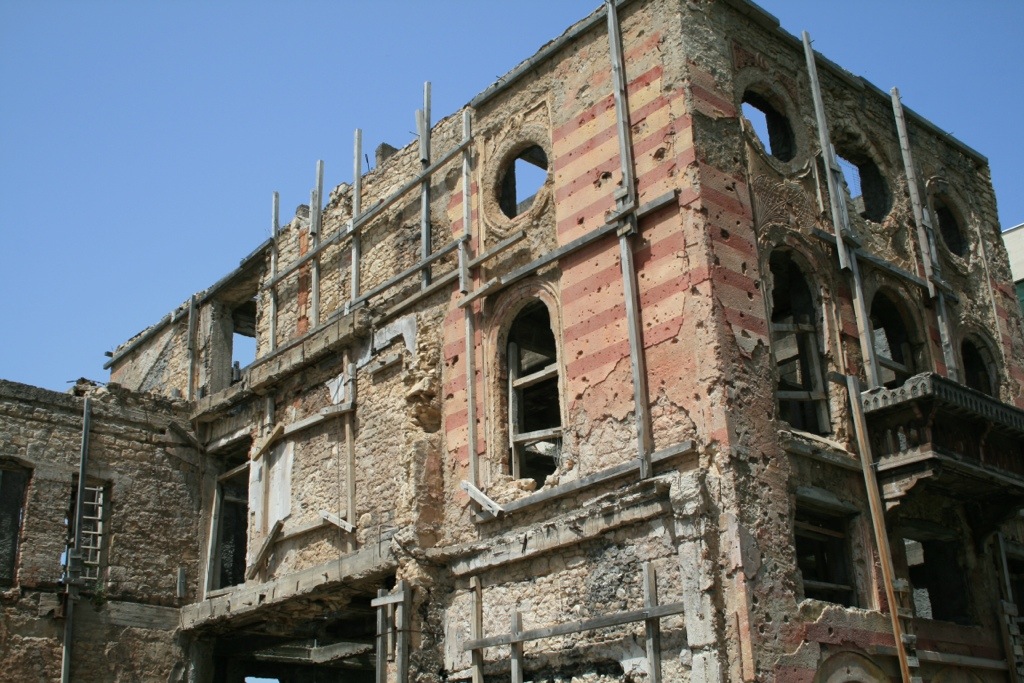
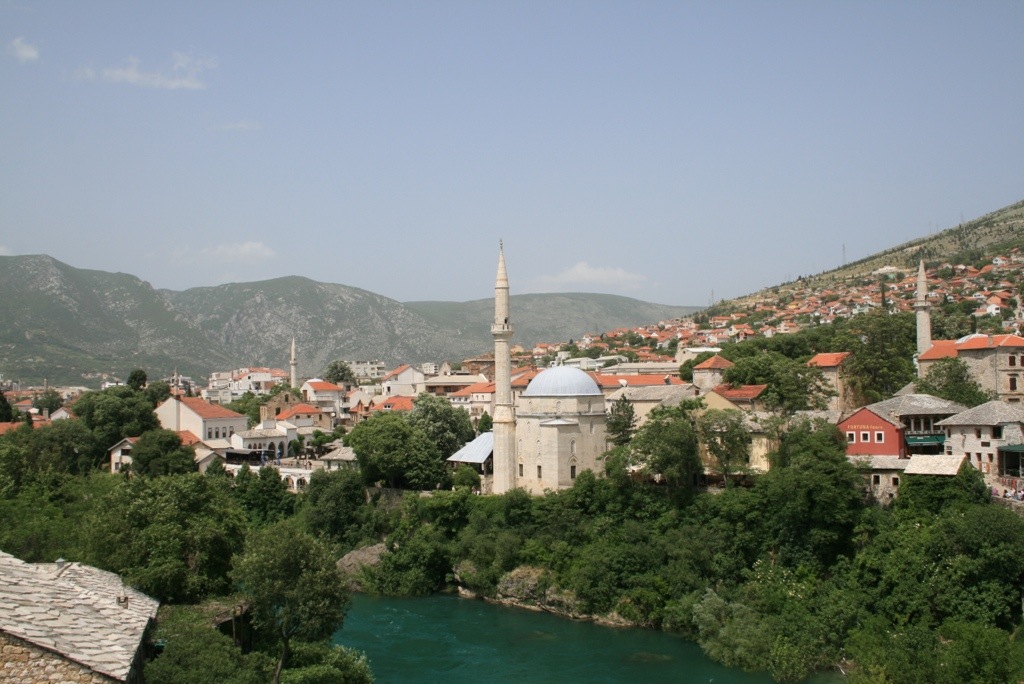
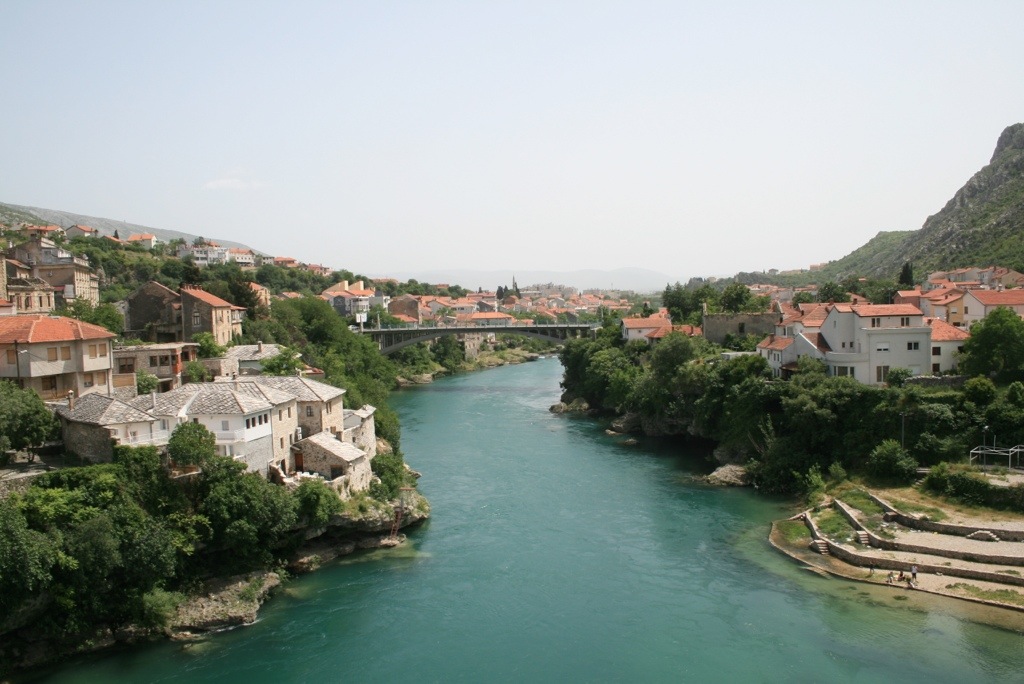
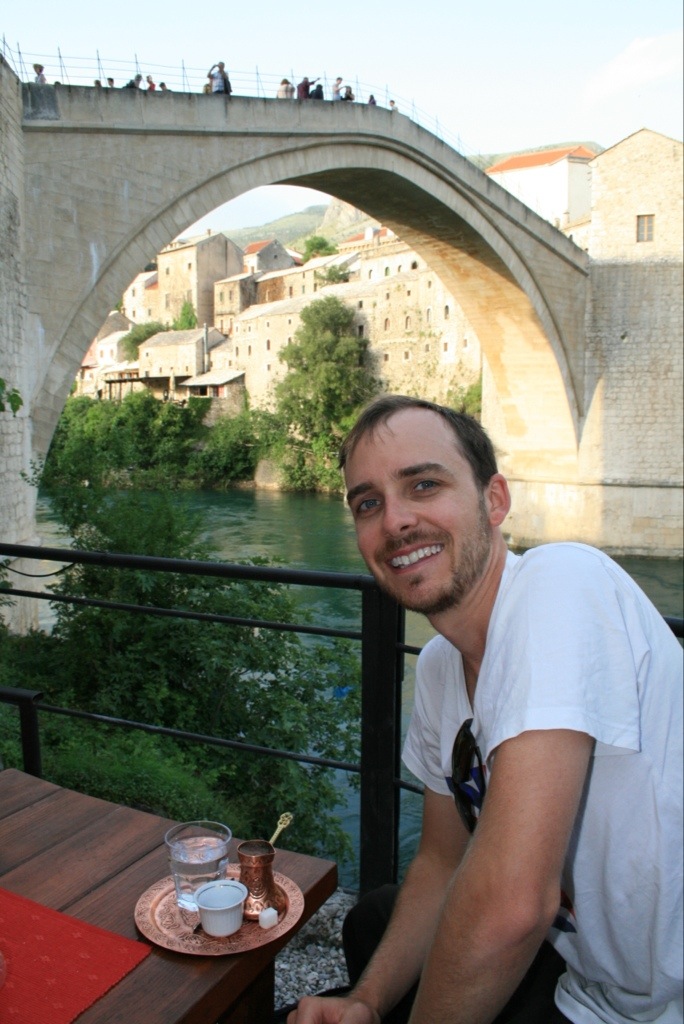
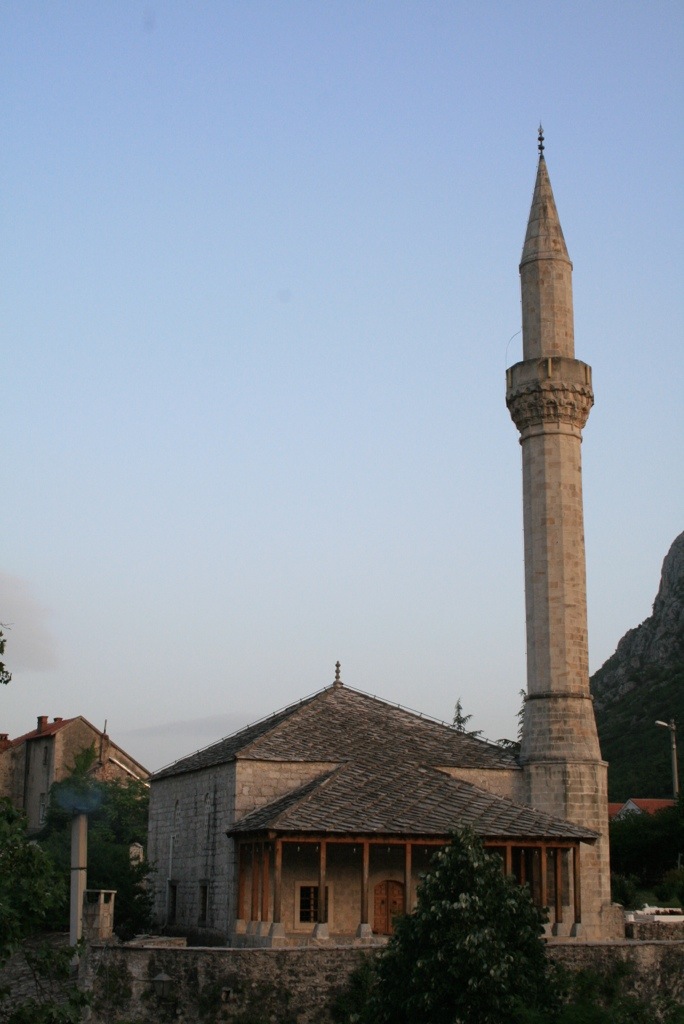
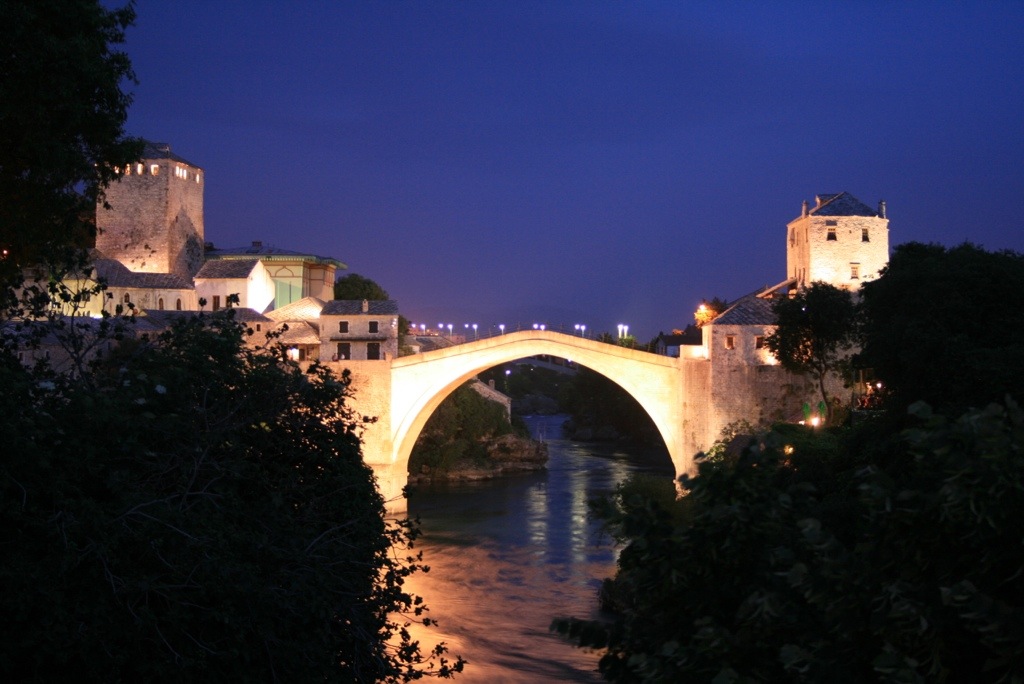
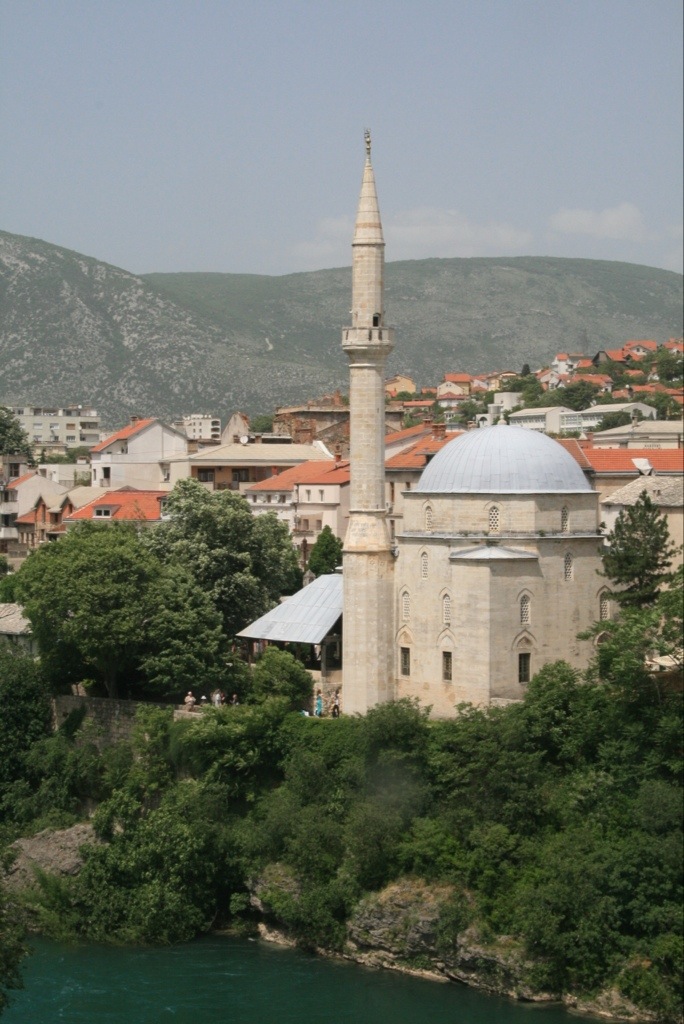
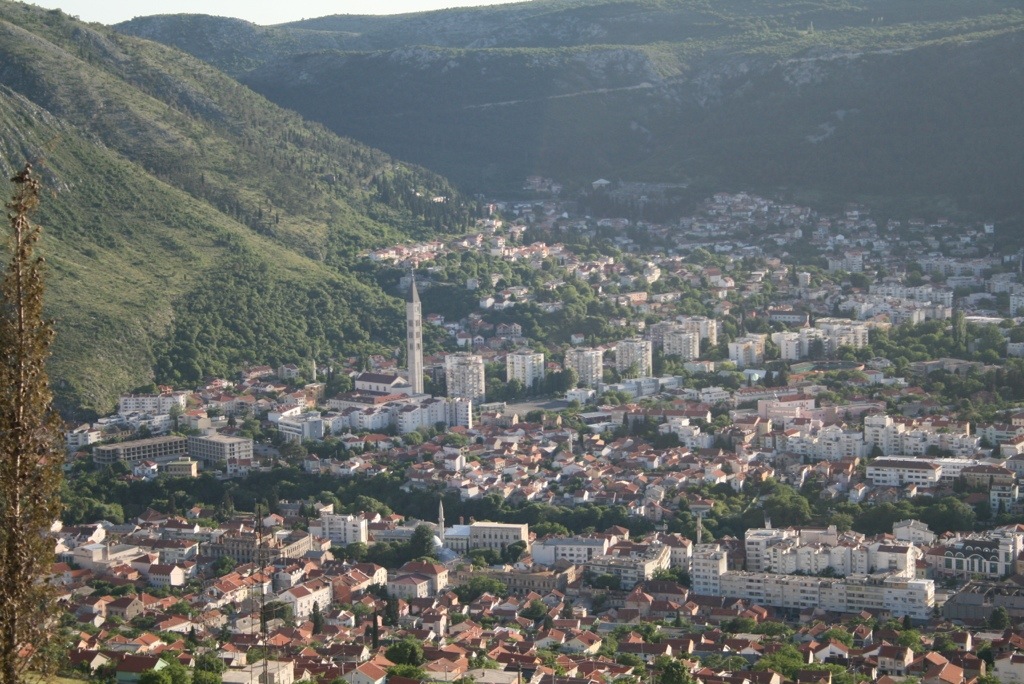
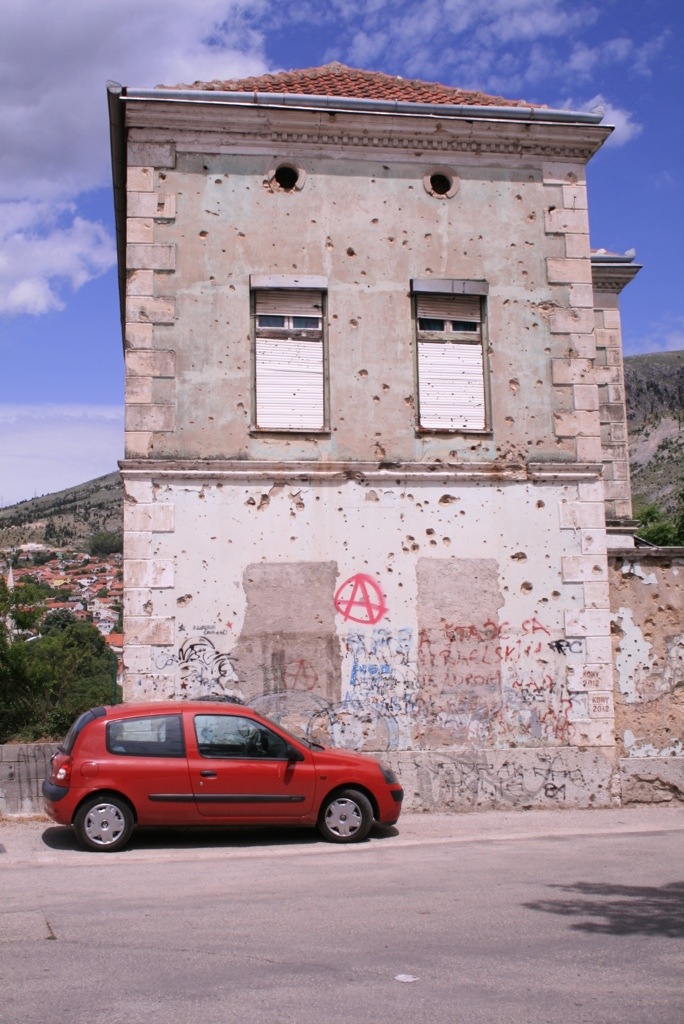
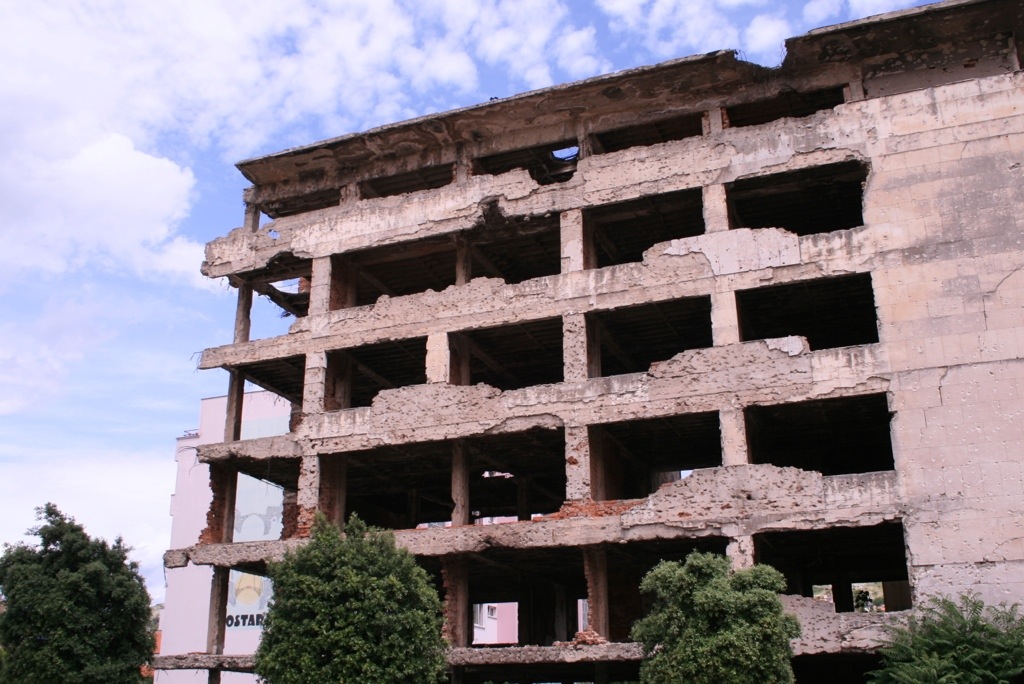
Mostar was damaged so badly in the war, the second most bombard city after Dresden. They were attacked by the Bosnian Serbs in 1992, so the Bosnian-Croats and Bosnian-Muslims joined forces to defend the city. However, the Serbs struck a deal with the Croats (apparently), and the Croats started to attack the Bosian-Muslims from behind, forcing locals from their homes where they were sent to detention camps or escaped to the east side of town. This created two front lines in a narrow valley. The fighting continued for two years, with constant shelling onto the city which killed many, and damaged not only historical mosques and numerous family homes, but destroyed the beautiful arching Old Bridge (Stari Most) which was renowned as an engineering feat when built in 1566. After surviving 64 different attacks on the bridge it was finally blown up. Most of the old city (east side) has been rebuilt by UNESCO, including the Old Bridge, which was built to the original measurements using 16th century style building techniques and stone from the original quarry.
Our hostel was run by a local chap with a great character called Miran (Miran’s Hostel). Over the next two days we learnt of his experience during the war. He was 16 years old and weighed just 37kg. They lived off rice and beans. The hostel is in the same location as his family home where he grew up but it needed to be rebuilt after the war. He lost his grandfather on the street outside his home, when he was shot by a sniper while carrying water back home from the river. Miran is still angry and upset at the war where he feels he lost the best years of his life. However, he was very open (not many people speak about the war) with us in an attempt to teach others what happened.
He took us on Miran’s world famous tour of the area around Mostar including the former frontline.
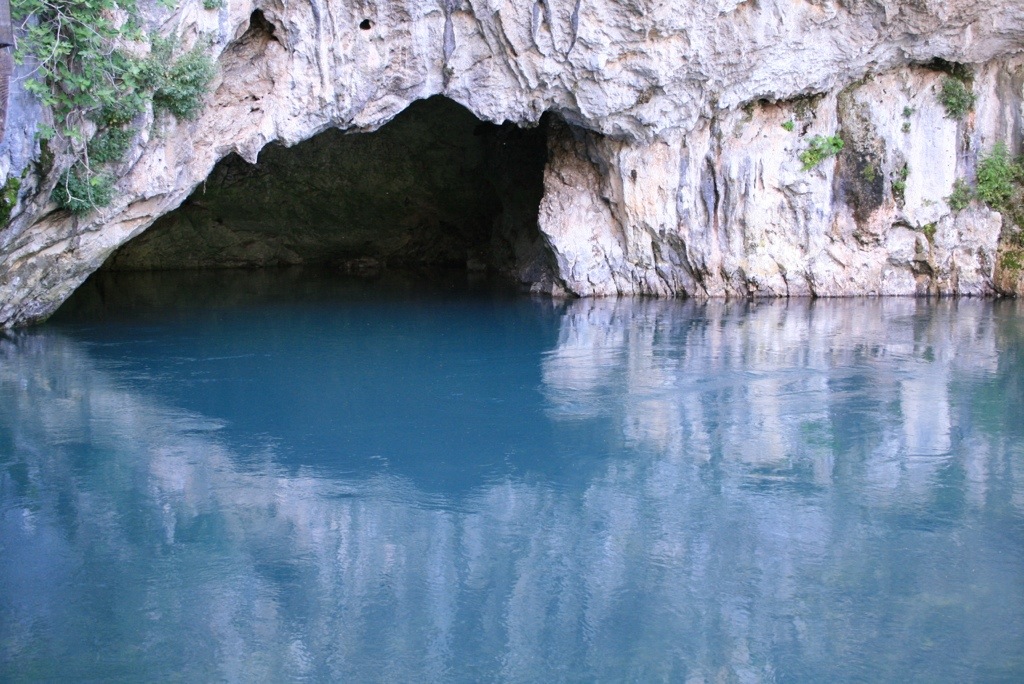
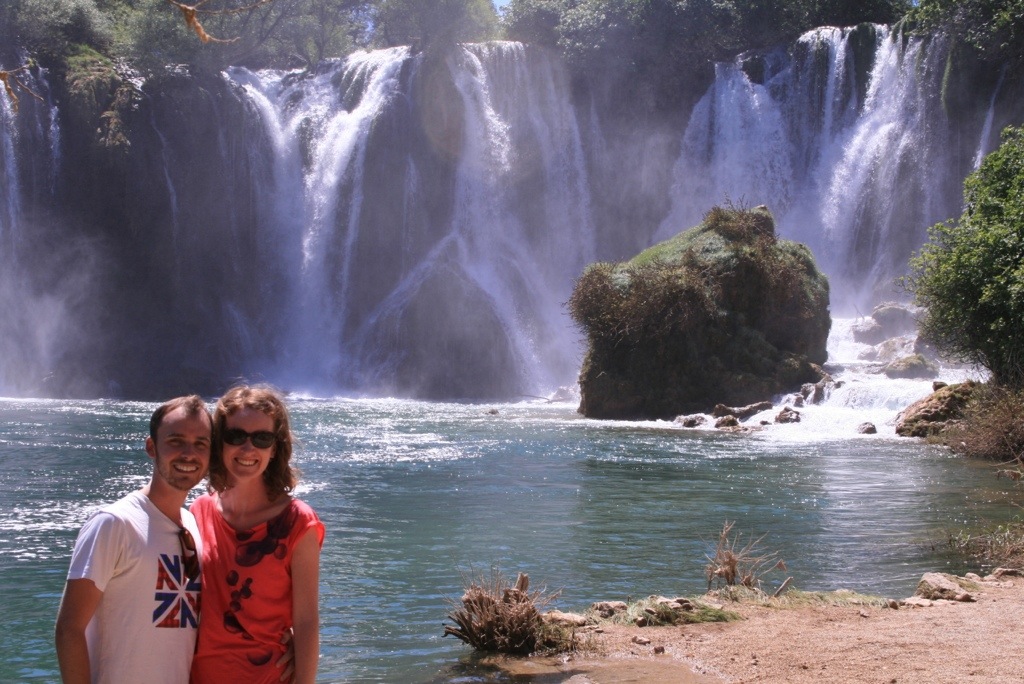
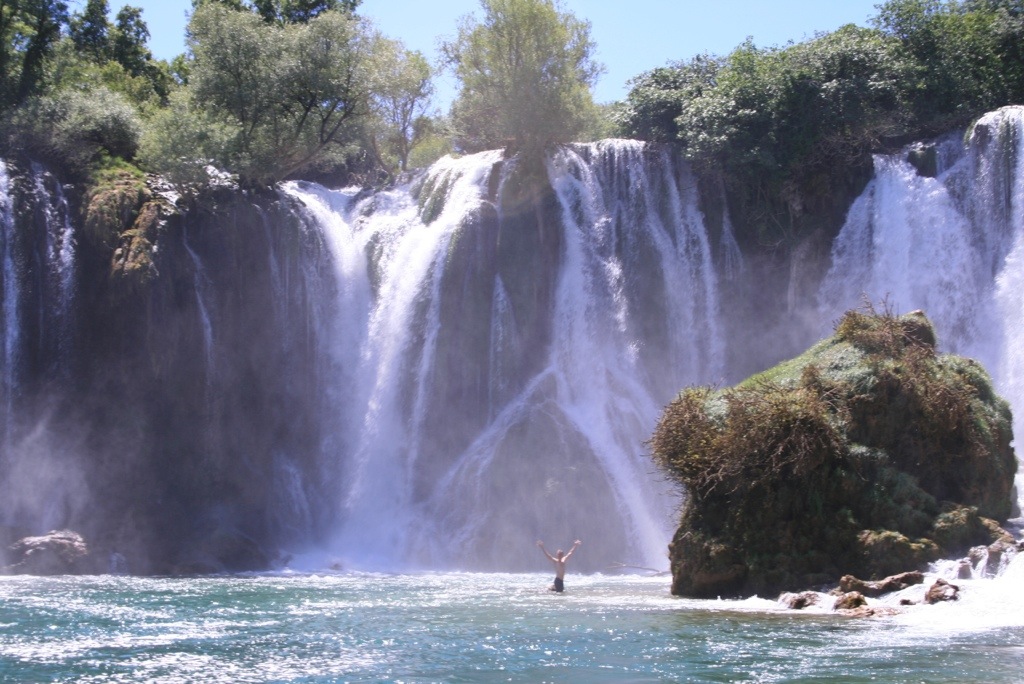
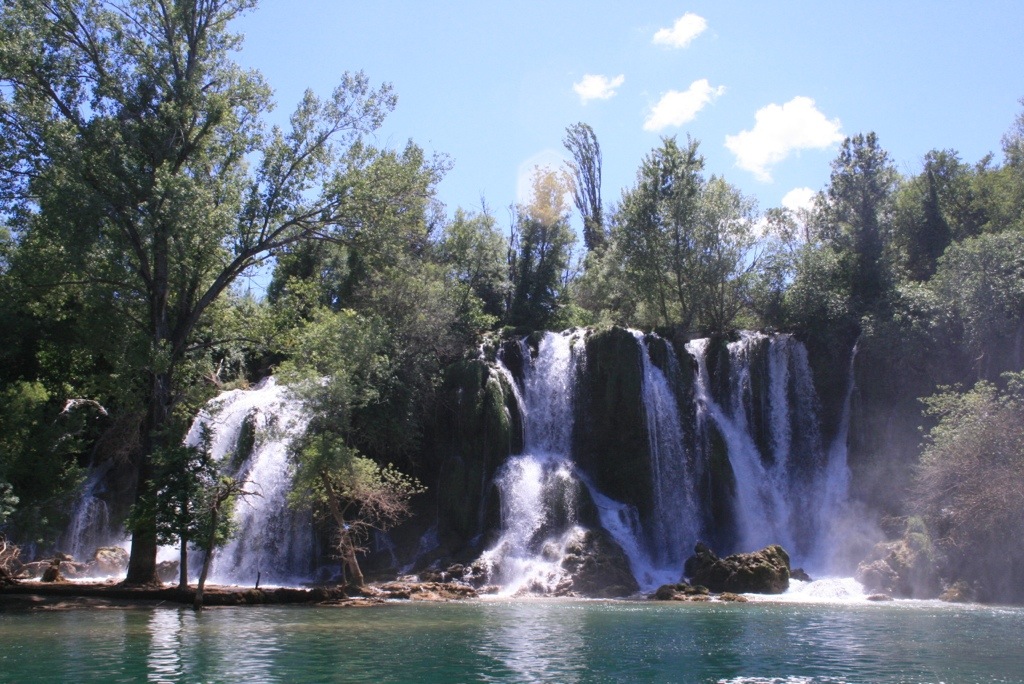
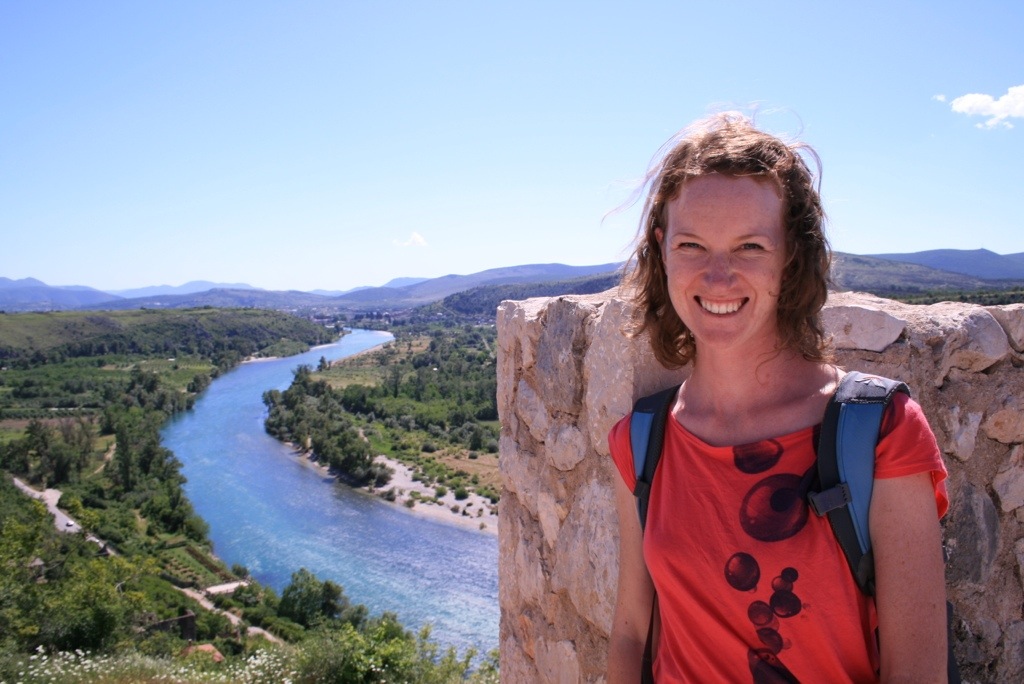
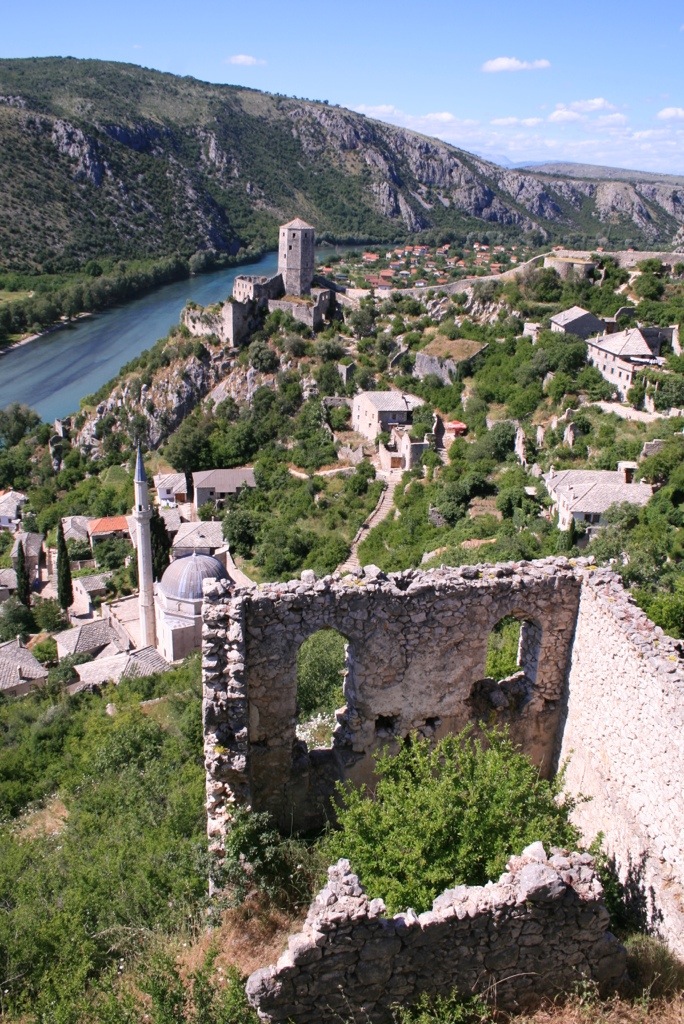
We started with a traditional Bosnian breakfast of meat filled pastries (like a sausage roll danish) at a restaurant next to European largest spring in the village of Blagaj. Scotty braved the 12 degree waters of the Krevice falls, and we visited a near-deserted village on a hillside where we met a local lady (she lost her husband and sons in the war, and now grows a beautiful fruit garden and shares the fruit with poor locals) who gave us home made mint juice and pomegranate juice, fresh cherries from her garden and dry figs – YUM!! It was interesting seeing old aid tins sent by the US being used as garden pots.
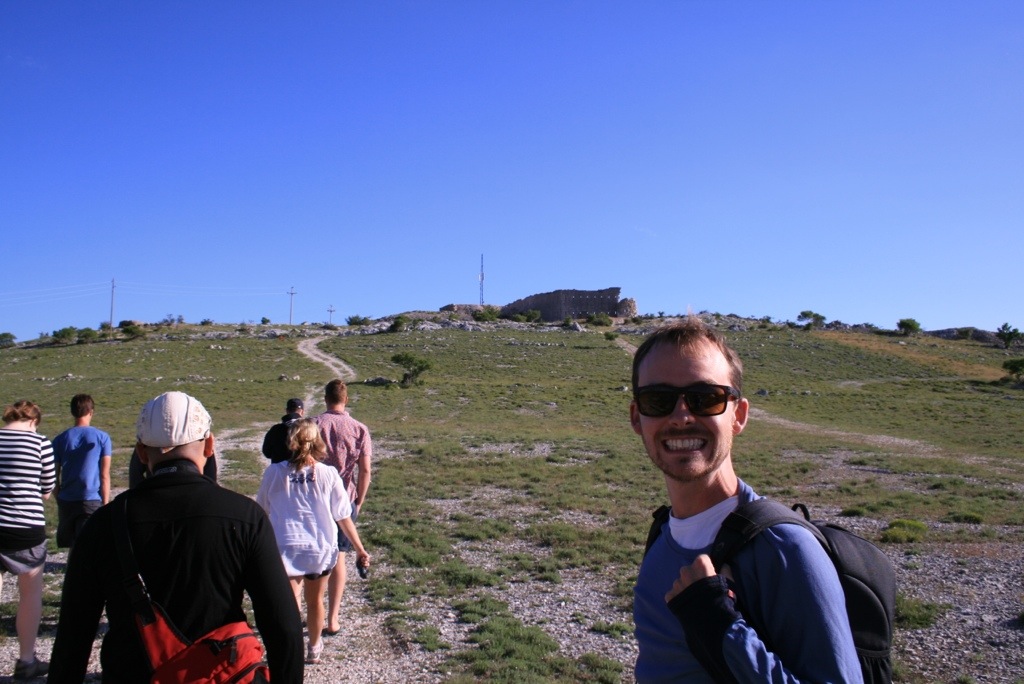
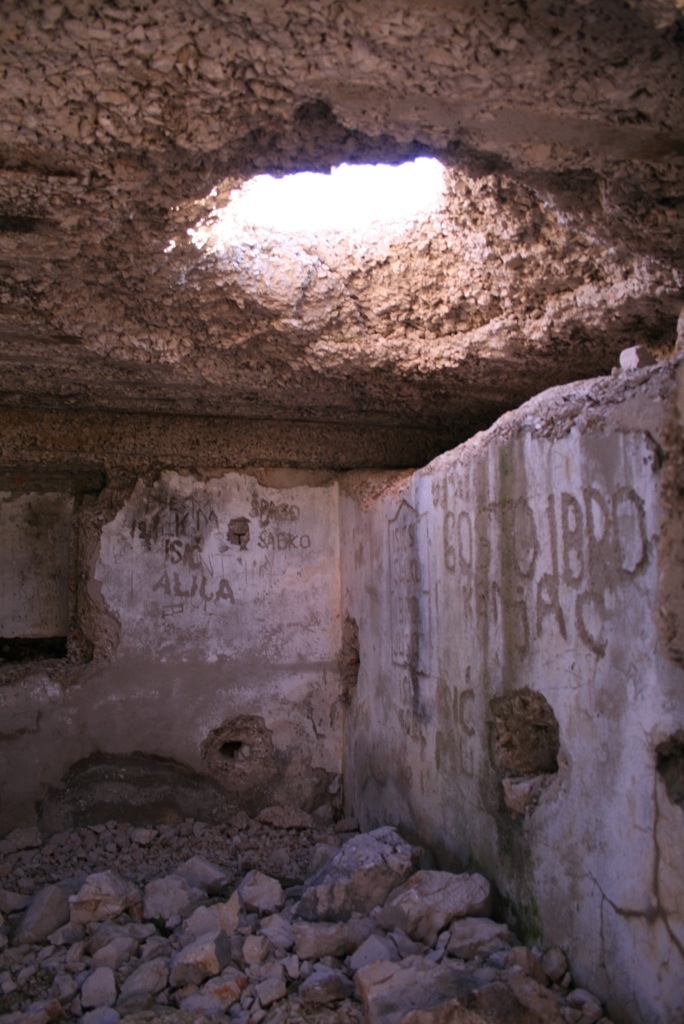
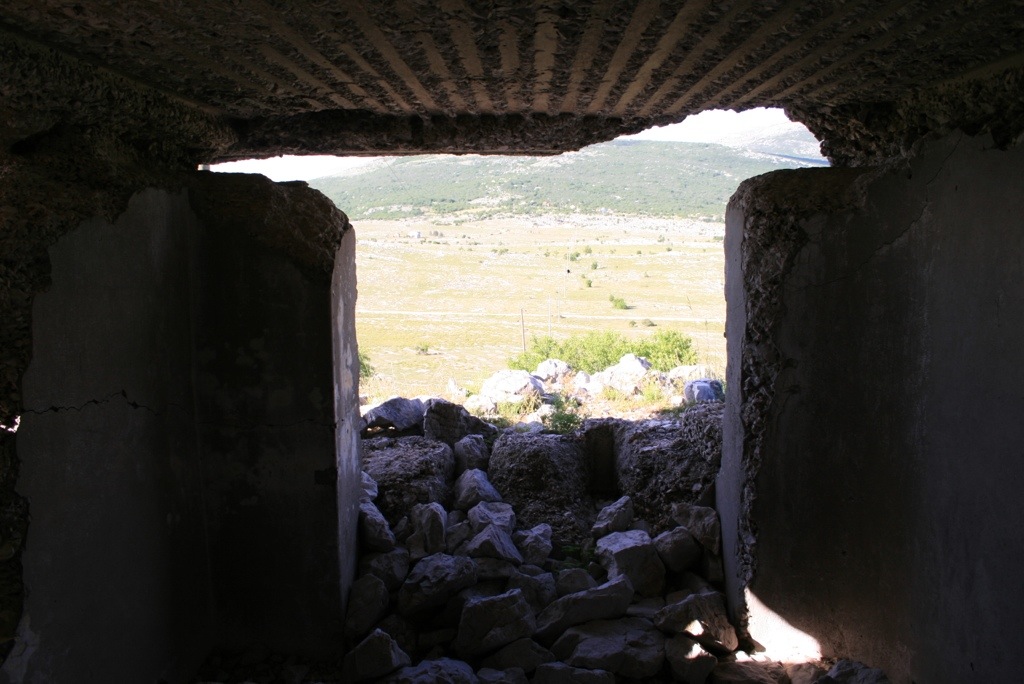
The final stop was the frontline on the hill behind Mostar. On the way we pulled up behind what looked like a large damaged milk tanker leaking water everywhere – in reality it was the sole water tank truck that provided water to the people of Mostar during the war. The frontline was a large green plain with few trees. Miran warned us to walk only on fixed rock to avoid land mines, even though it was low risk as the area had been officially cleared and farmed on over the past 15 years. We climbed inside Bosnian bunkers, saw old shells and shrapnel, and the no-mans area between the Serbian and Bosnian front lines. It was all quite surreal.
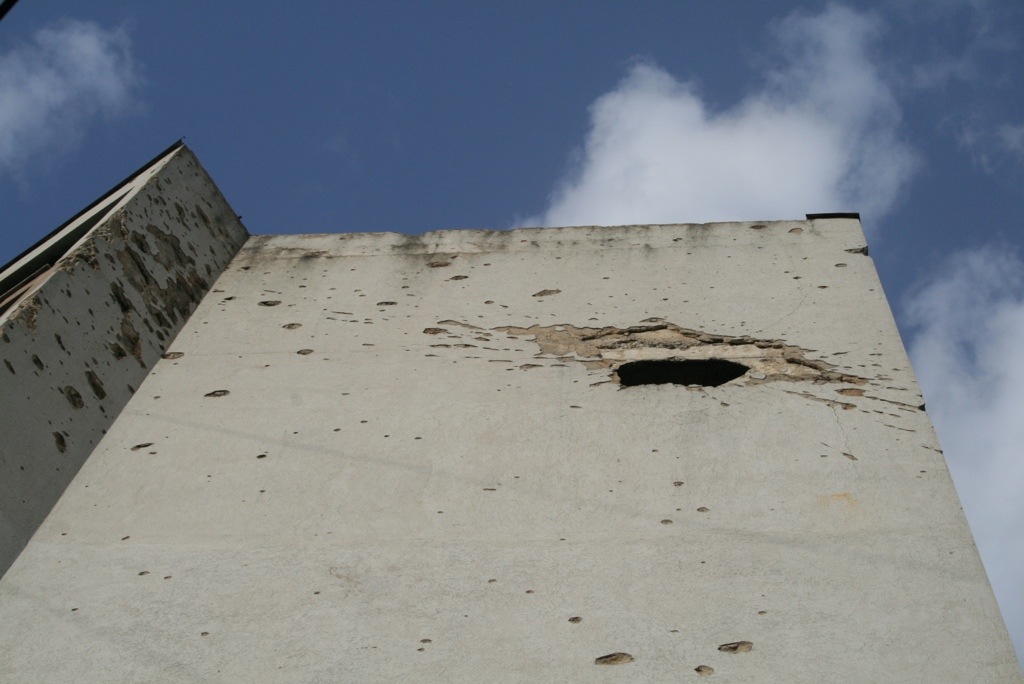
That night we watched a documentary made by the British reporter, . The whole hostel was mesmerised by the images, many of which were filmed metres down the road. Miran the showed his home movies taken during the war. This was an incredibly sobering moment, as he showed parts of the house that were intact (the house now converted into the hostel), shrapnel marks in the door which still exists, and the scars of machine gun fire on the neighbouring building. He told stories of stealing from the UN troops and showed images of UN Armour vehicles rolling down his street. We also saw images of people collecting water from the sole water tanker, the same one we’d seen earlier that day. It was truly a humbling moment.
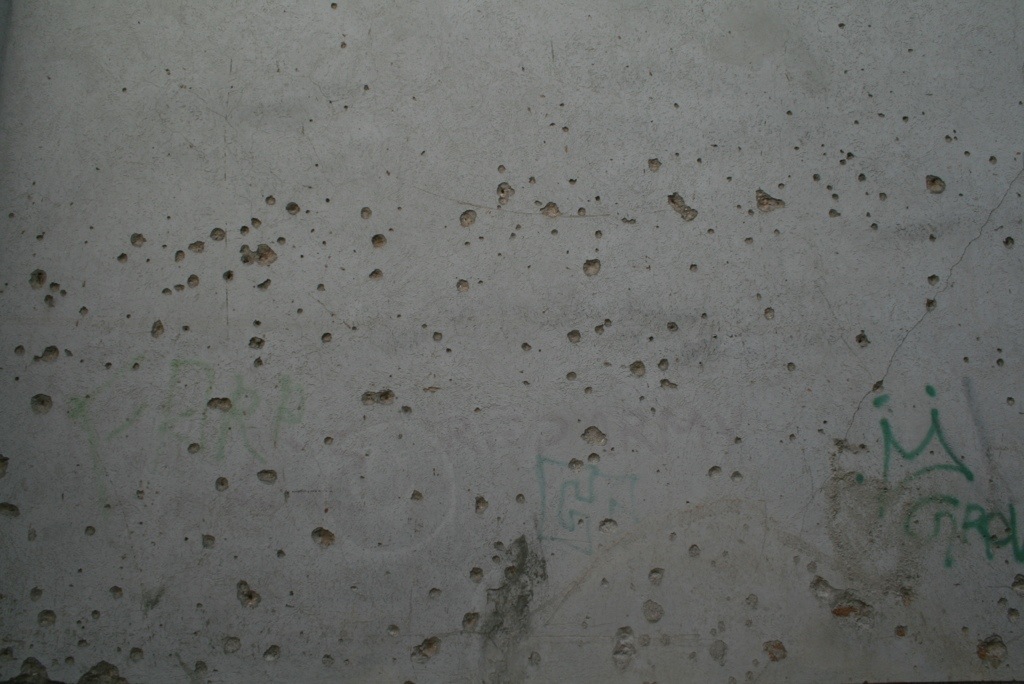
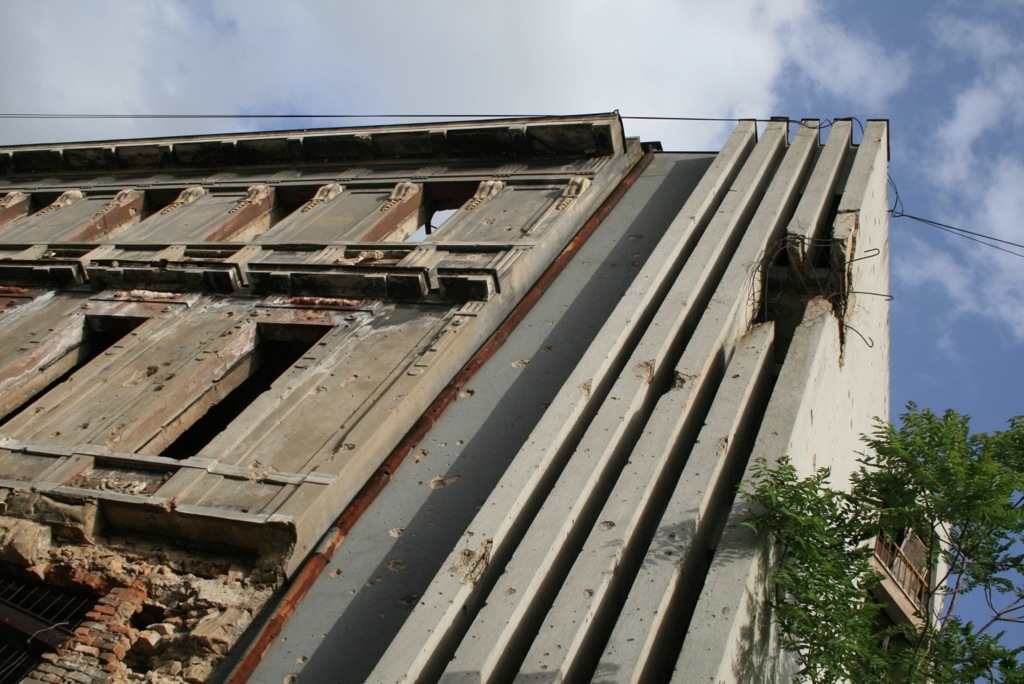
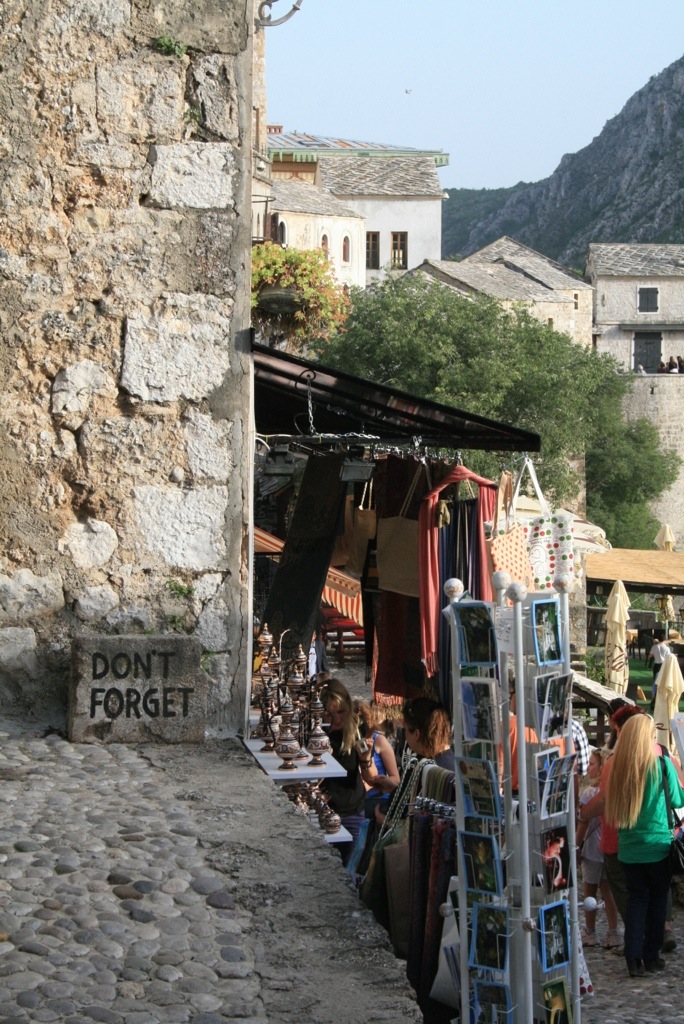
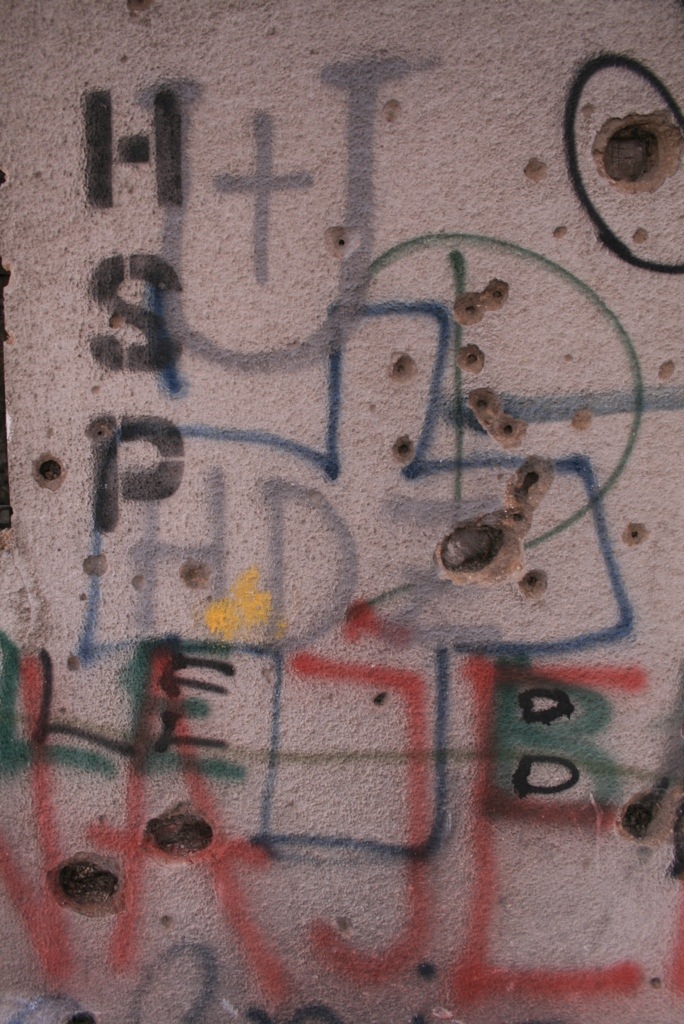
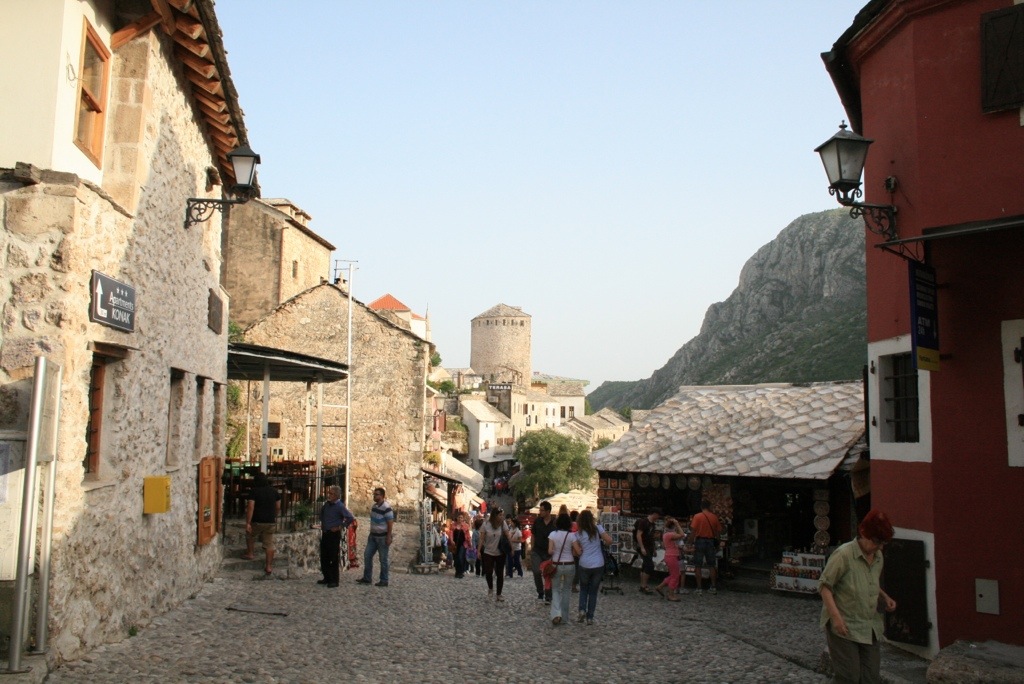
Back in Mostar town, we spent our time in the east. The old part is lined with fixed pebbled walkways which look great but are so hard to walk on especially in jandels! Most of the buildings have been rebuilt or repaired, although its easy to spot numerous bullet holes and shell damage in surrounding buildings. The Old Bridge is quite steep as it arches up and down, and also slippery with the stone they used. We saw divers from the Mostar Diving Club jump off the bridge into the cold water below after hassling up enough tourist to pay them to do it. There was a great photo exhibition of civilian life during the war by Kiwi photographer Wade Goddard who came over when he was 22 years.
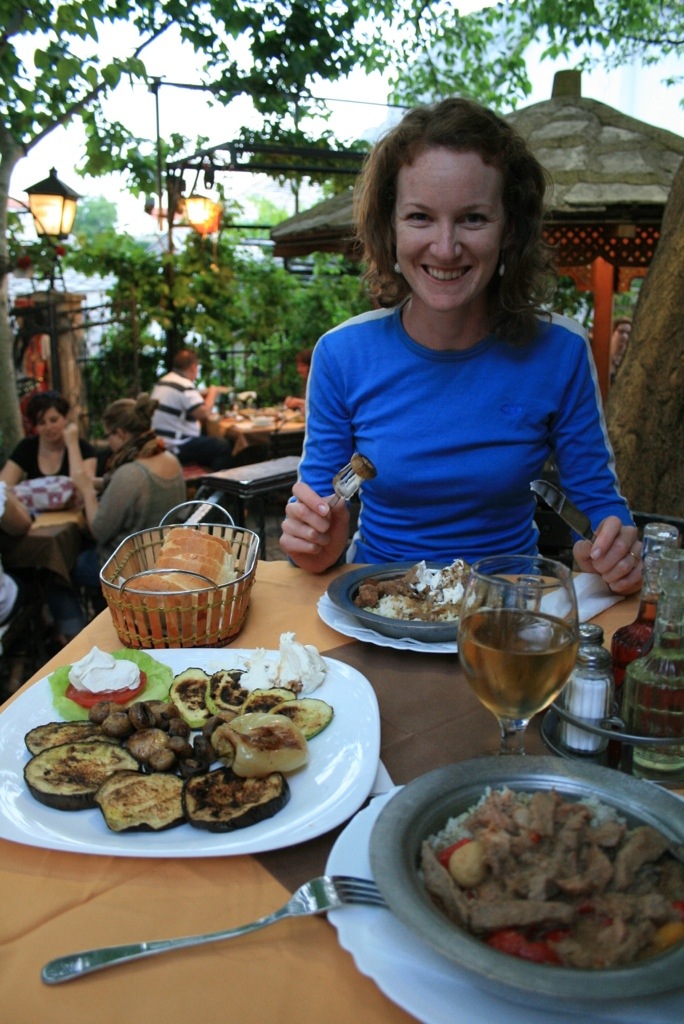
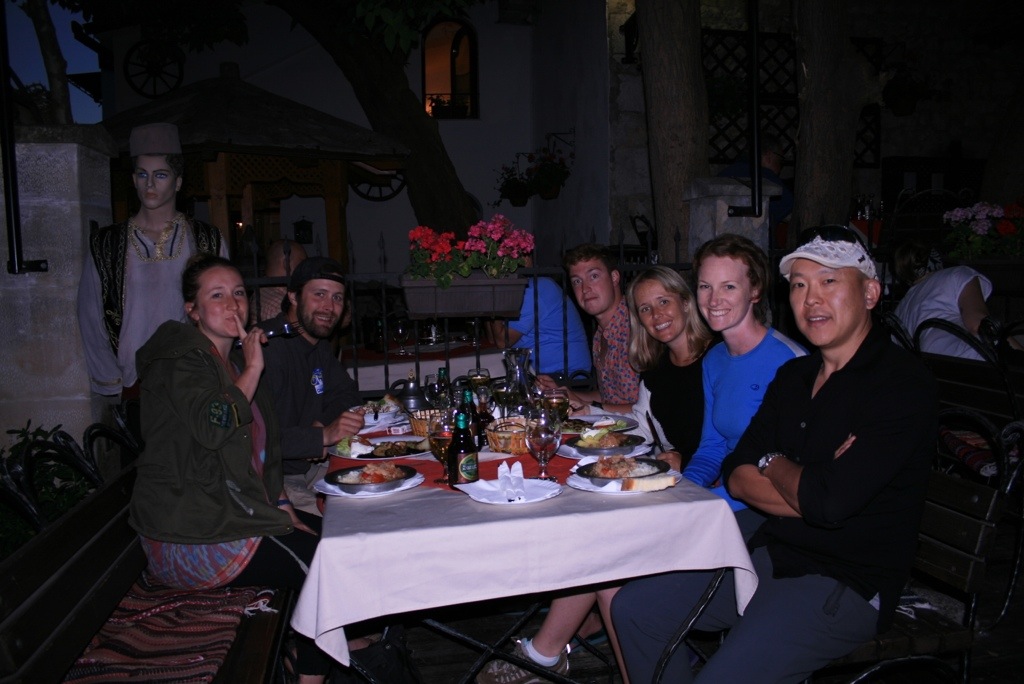
Food in Bosnia is amazing, the variety of cuisine is a novelty, and overall the people are very gracious and friendly despite what they’ve been through,












 fourfeettwopackssixmonths
This brings back so many memories fro me. The passport check, the amazing drive, the horrific personal stories from the local sand the warmth of the people. Amazing place. Have up have any cavapcicci yet?
Enjoying your food shots! Did you jump off the bridge? 🙂